
Introduction
Chlamydia is one of the most common sexually transmitted infections (STIs), caused by the bacterium Chlamydia trachomatis. It affects both men and women, but women are more prone to long-term complications if left untreated. The infection often shows no symptoms, making early detection and treatment very important.
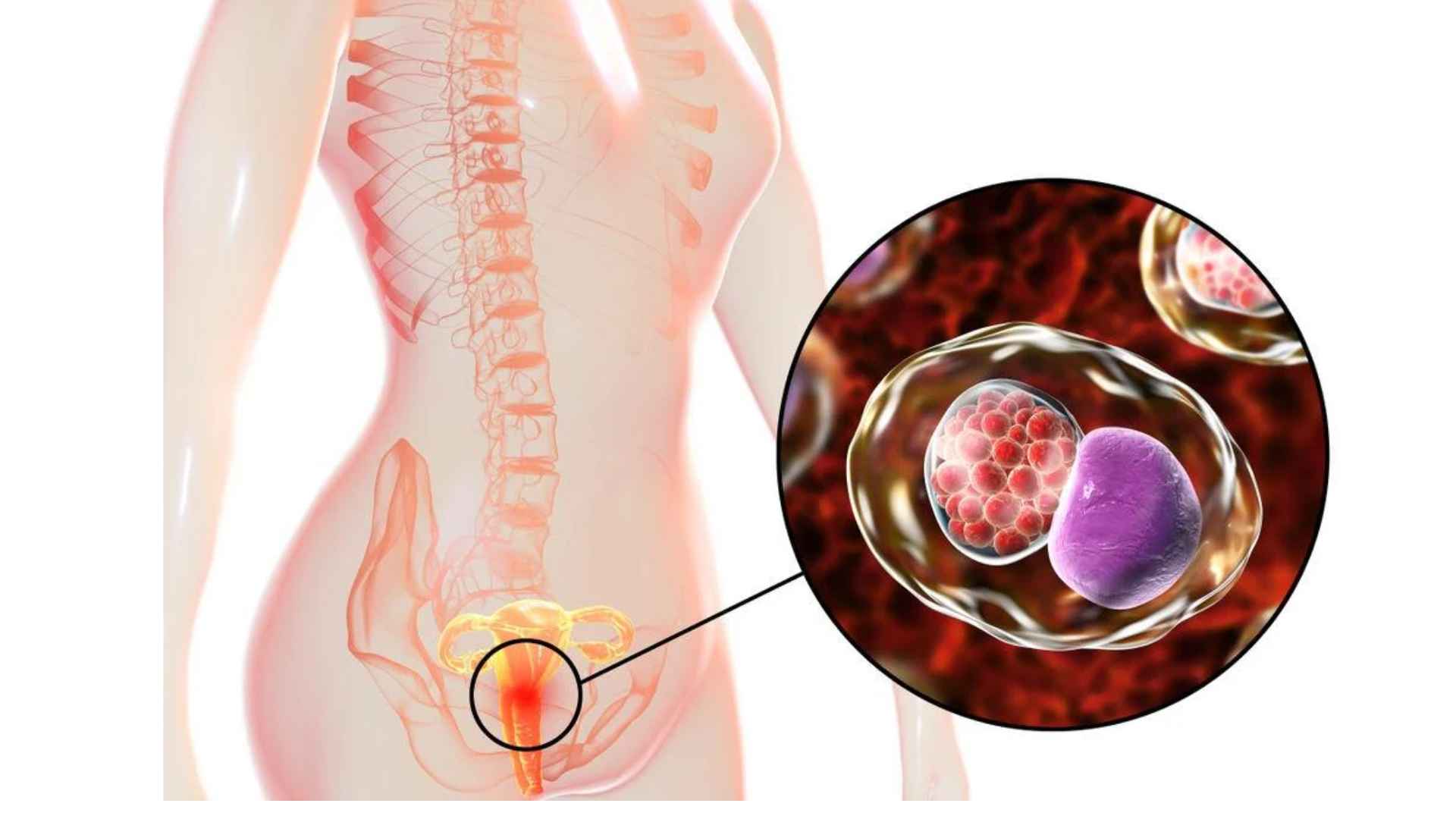
Understanding :
Chlamydia is primarily spread through unprotected vaginal, anal, or oral sex. It can infect the cervix, urethra, rectum, throat, and even the eyes. Since many people do not experience noticeable symptoms, it is often called a “silent infection.” If untreated, it may cause severe reproductive health issues, particularly in women.
Causes & Symptoms:
Causes:
- Infection with Chlamydia trachomatis through sexual contact.
- Transmission from an infected mother to her baby during childbirth.
- Rarely, eye infection (conjunctivitis) due to contact with infected secretions.
Symptoms:
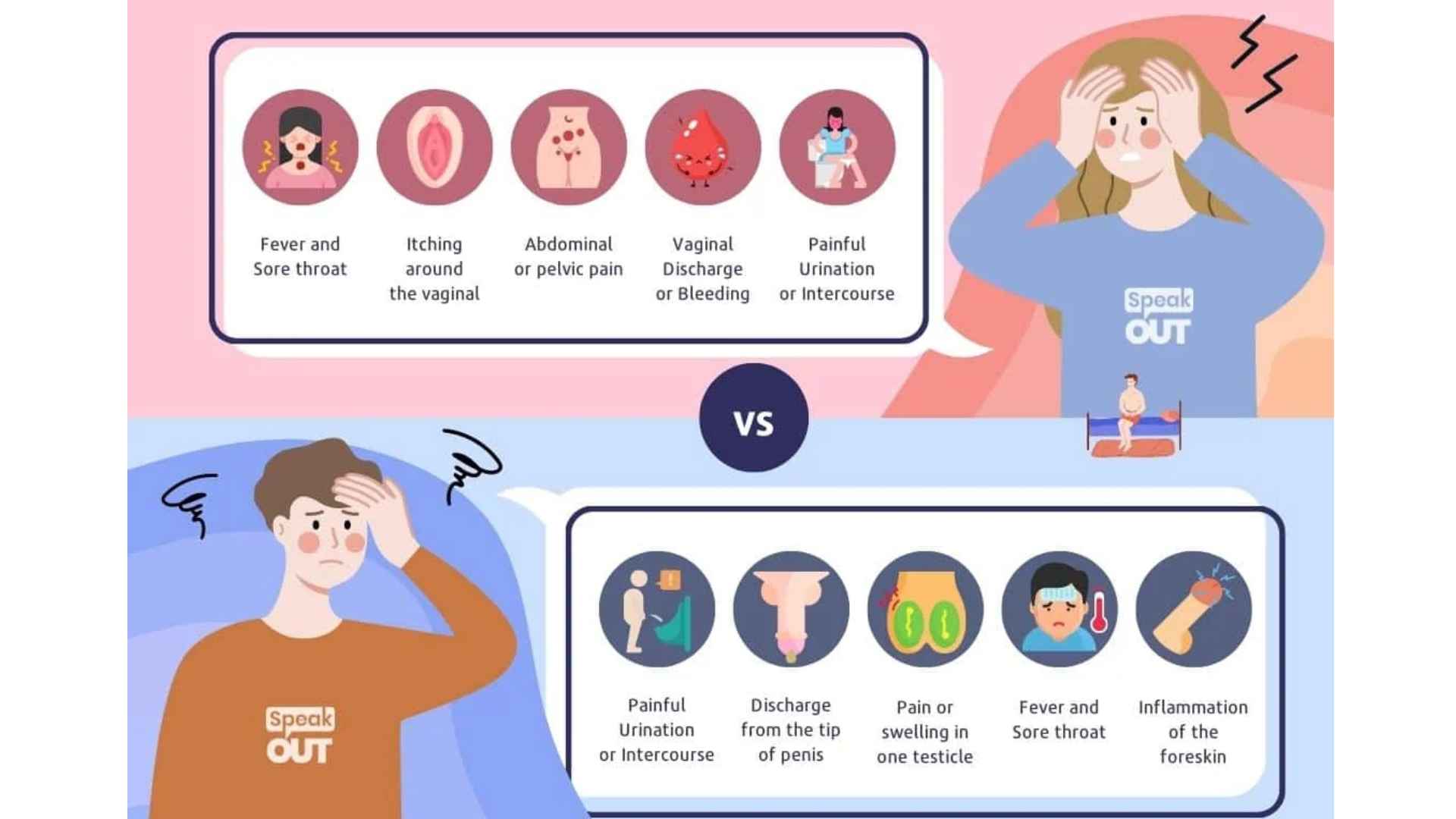
- In women: Abnormal vaginal discharge, painful urination, bleeding between periods, lower abdominal pain, pain during sex.
- In men: Discharge from the penis, burning sensation while urinating, pain/swelling in one or both testicles.
- Both genders: Rectal pain, discharge, or bleeding (if rectal infection occurs).
Risk Factors :
- Having multiple sexual partners.
- Engaging in unprotected sex.
- History of other STIs.
- Being sexually active and under 25 years old.
- Lack of regular STI screening.
Complications:
If left untreated, chlamydia can lead to:
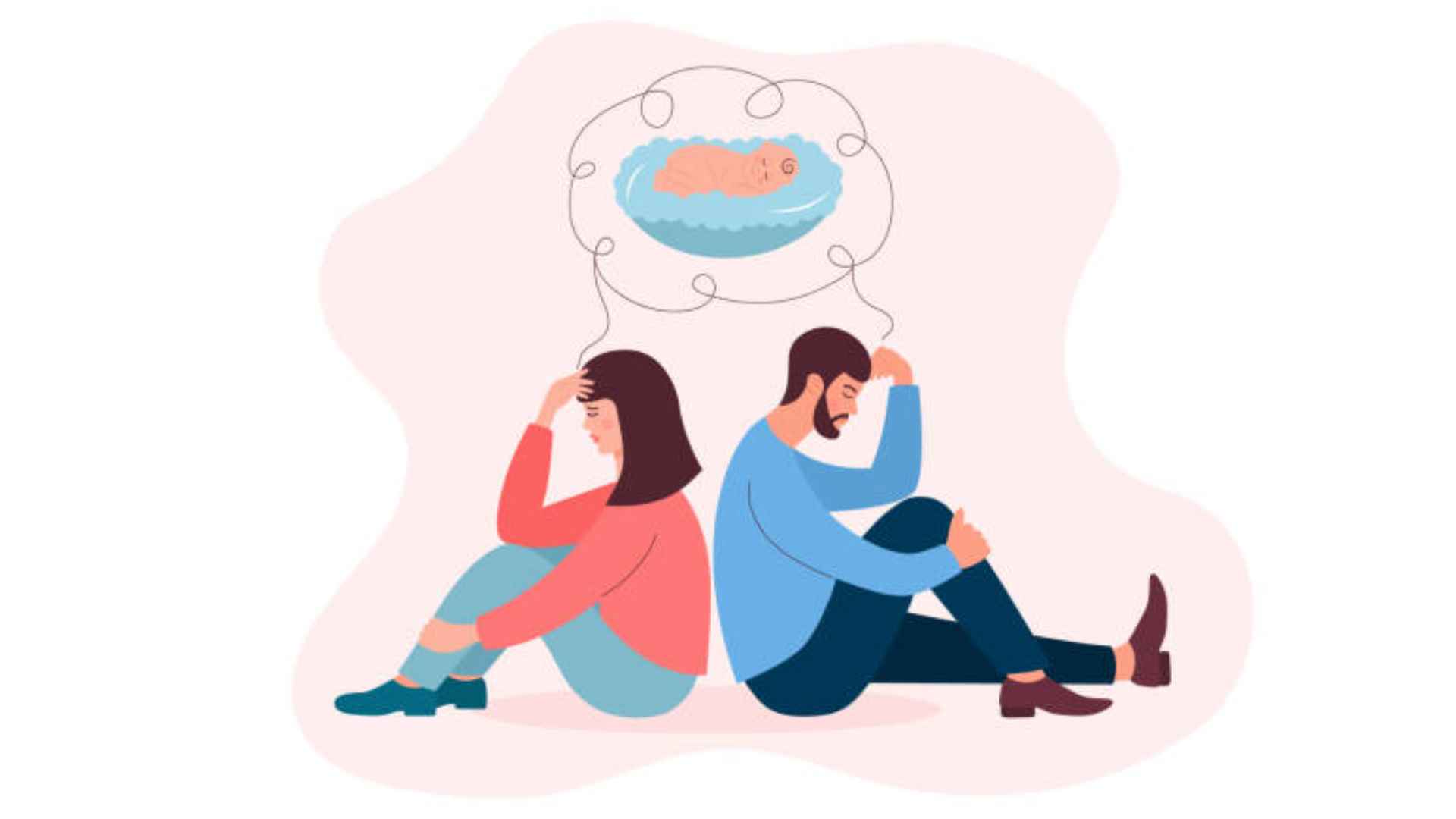
- In women: Pelvic Inflammatory Disease (PID), infertility, ectopic pregnancy, chronic pelvic pain.
- In men: Epididymitis, infertility in severe cases.
- Both genders: Increased risk of contracting HIV and other STIs.
- Newborns: Eye infections, pneumonia when infected during childbirth.
Diagnosis :
- Lab Tests:
- Nucleic Acid Amplification Test (NAAT) – highly accurate.
- Urine test.
- Swab samples from cervix, urethra, throat, or rectum.
- Screening is recommended for sexually active women under 25 and for individuals with multiple partners.
Benefits of Homoeopathic Treatment
1. Individualised Care: Homoeopathy recognizes that each person is unique. A homoeopath will assess your symptoms, medical history, and lifestyle to prescribe a personalised treatment plan tailored to your needs.
2. Gentle and Natural: Homoeopathic remedies are derived from natural substances and are known for their minimal side effects. They work in harmony with the body, promoting self-healing and overall well-being.
3. Holistic Approach: Homoeopathy takes into account not only the physical symptoms but also the emotional and mental aspects of an individual. It aims to restore balance at all levels, providing comprehensive care.
4. Long-Term Relief: By addressing the underlying causes of Hyperacidity, homoeopathy strives to achieve long-term relief and improved quality of life.
Homeopathy and Chlamydia :
Homeopathy aims to treat chlamydia by addressing both the infection and the overall constitution of the patient. It works gently, boosting the body’s natural defense mechanism and reducing complications. Some commonly considered remedies (selected on the basis of symptoms, not disease name) include:
- Mercurius solubilis – For burning during urination, foul-smelling discharges.
- Nitric acid – For sharp pain and bleeding tendencies.
- Thuja occidentalis – For persistent urethral discharges and associated warts.
- Sepia – For chronic vaginal discharge with pelvic pain in women.
- Sulphur – For itching, irritation, and tendency to recurrent infections.
Consulting a Homeopath:
If you are seeking homoeopathic treatment for chlamydia, it is essential to consult with a qualified and experienced homoeopath. At Sanjivani Homeopathy Clinic, our team of skilled homoeopaths will conduct a thorough evaluation, considering your symptoms, medical history, and individual characteristics to develop a personalised treatment plan.
Sanjivani Homeopathy Clinic USP
- No homoeopathy Dietary Restrictions:
Allows patients to enjoy foods like onion, garlic, and coffee, ensuring a stress-free treatment journey.
- 24/7 Online Consultations:
Enables convenient access to doctors with detailed counseling, history management, and follow-ups.
- Highly Skilled Team:
Experienced BHMS and MD doctors, supported by multilingual and professional staff.
- Patient-Centric Care:
Simplifies treatment with modern, adaptable solutions and clear communication.
Click Here for Detailed "Sanjivani USP"
FAQ's
- What is homoeopathy ?
Homoeopathy is a holistic science which belives in the law of Similia Similibus Curenter i.e Like Cures Like .It was discovered by Dr Samuel Christian Hahnemannn in 1796.
- Is there any side effects of homoeopathy?
As homoeopathic medicines are made from natural substances this medicines have no side effects and are completely safe to consume
- Is there any diet restriction to take homoeopathic medicines?
There are no diet restrictions for homoeopathic medicines. One should only avoid eating or drinking any liquid other than water at least 30 minutes before and after taking homoeopathic medicines.
Click Here for "Frequently Asked Questions."
Conclusion
Chlamydia is a widespread but often silent STI that can cause severe reproductive and general health issues if ignored. Regular screening, safe sexual practices, and timely treatment are key to prevention and cure. Homeopathy provides a safe, natural, and holistic approach to managing chlamydia, addressing not just the infection but also the individual’s overall well-being.
Disclaimer: The information provided in this blog is for educational purposes only and should not be considered medical advice. Please consult with a qualified healthcare professional before starting any treatment for chlamydia or any other medical condition.

