
Introduction
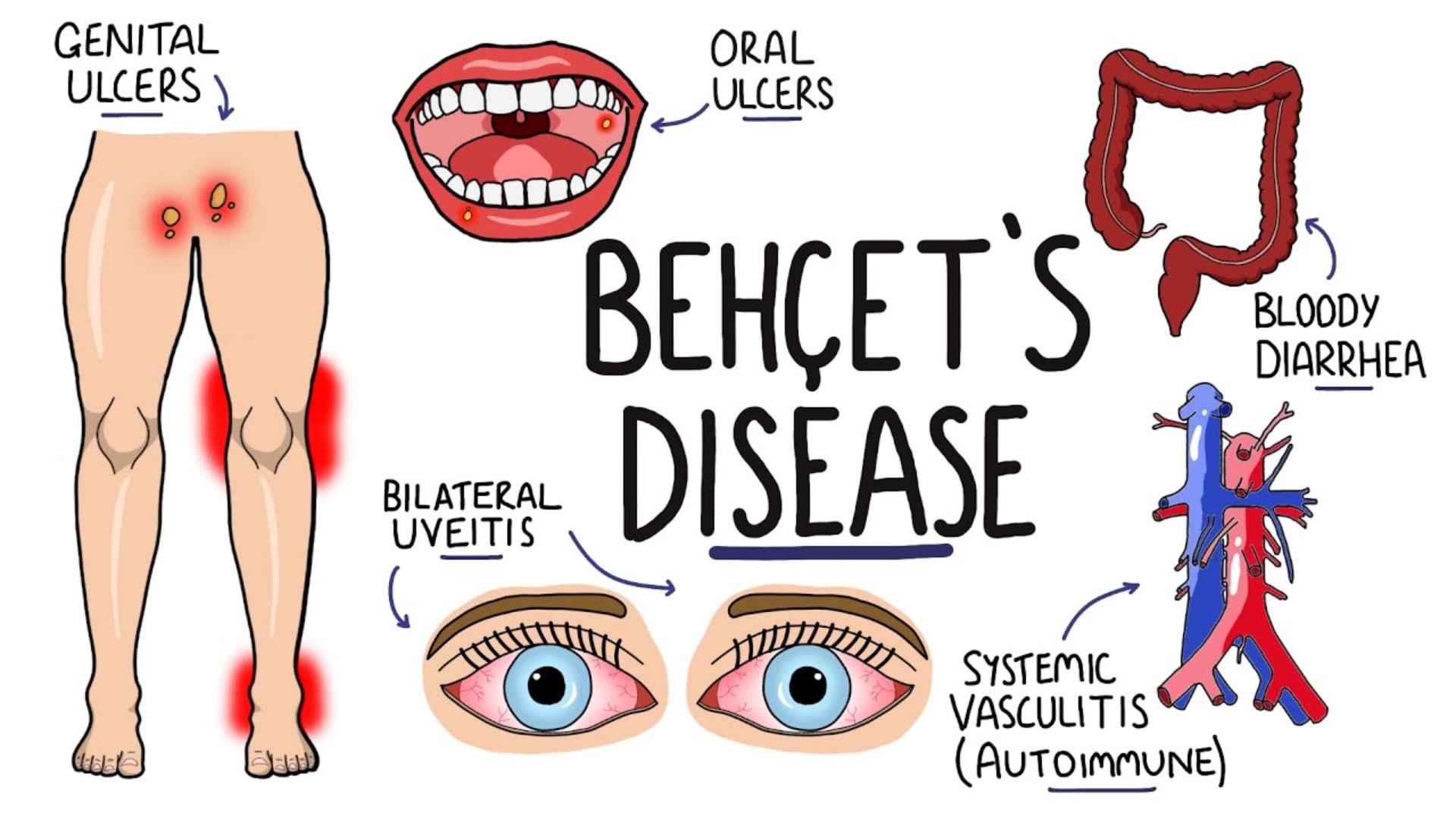
Behcet’s Disease is a rare, chronic, and complex autoimmune disorder that causes inflammation in blood vessels throughout the body. It can affect multiple systems including the mouth, eyes, skin, joints, blood vessels, digestive tract, and nervous system. The condition tends to flare up and subside, making it challenging to manage.
Understanding Behcet’s Disease:
Behcet’s Disease is classified as a type of vasculitis (inflammation of blood vessels). The exact cause is not fully understood, but it is believed to involve an abnormal immune system response that mistakenly attacks the body’s own tissues.
- It is more common in men than women, especially in countries along the ancient “Silk Road” (Turkey, Middle East, and East Asia).
- Symptoms vary widely from person to person, making it difficult to diagnose early.
Types
Though not classified into rigid types, Behcet’s Disease is often described based on the systems it affects:
- Mucocutaneous Behcet’s – primarily involving mouth ulcers, genital ulcers, and skin lesions.
- Ocular Behcet’s – involving eye inflammation, which can cause blurred vision and even blindness if untreated.
- Neurological Behcet’s – affecting the brain and spinal cord, leading to headaches, strokes, or balance problems.
- Vascular Behcet’s – involving blood vessels, leading to clot formation, aneurysms, or vein inflammation.
- Gastrointestinal Behcet’s – inflammation of the digestive tract causing abdominal pain, diarrhea, and ulcers.
Causes & Symptoms:
Causes:
- Autoimmune dysfunction: The immune system attacks the body’s own blood vessels.
- Genetic factors: HLA-B51 gene is strongly linked with susceptibility.
- Environmental triggers: Infections or stress may provoke flare-ups.
Symptoms:
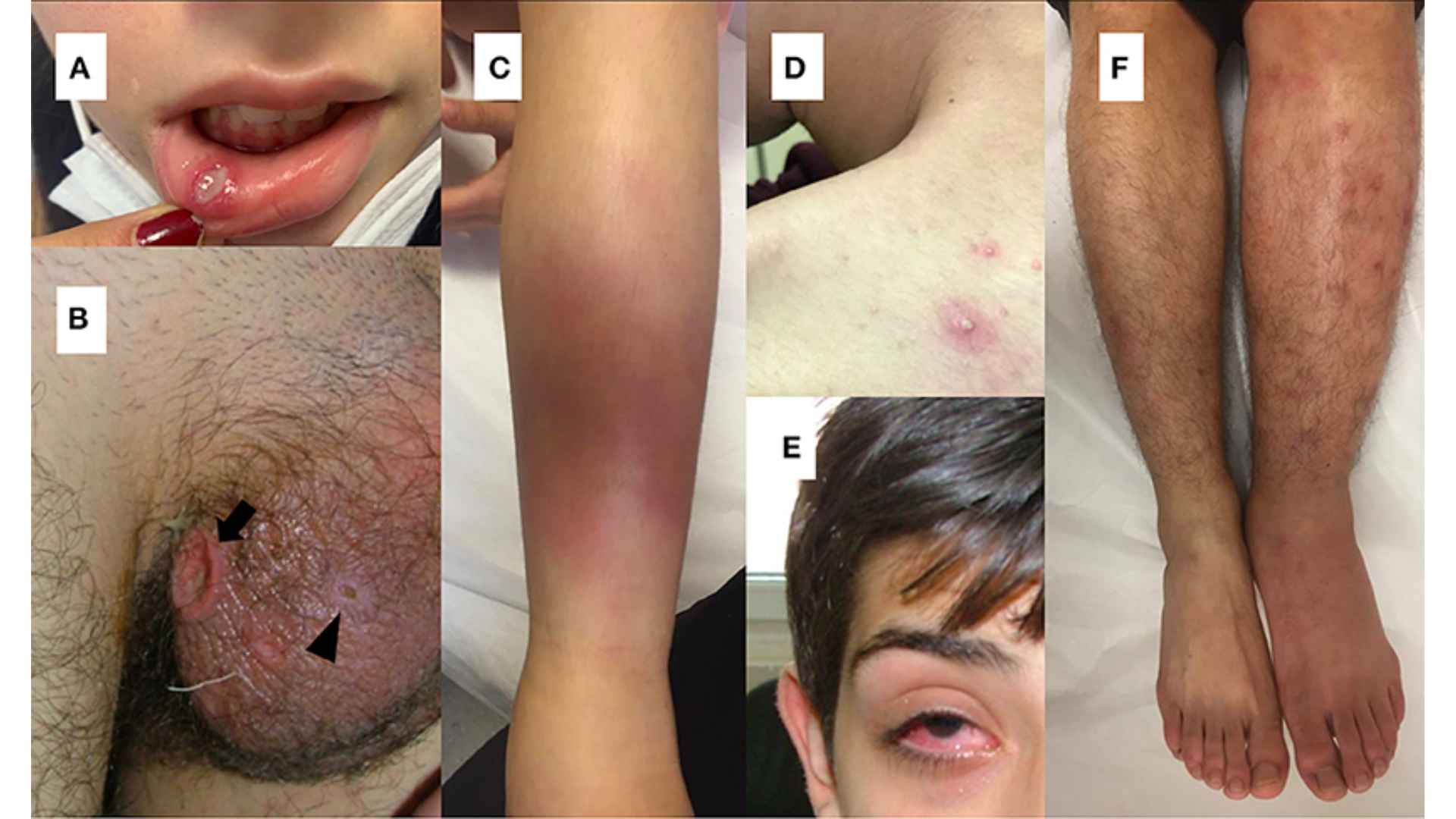
- Recurrent painful mouth ulcers (most common early sign)
- Genital ulcers
- Eye inflammation (redness, pain, blurred vision)
- Skin lesions (acne-like eruptions, nodules, or rashes)
- Joint pain and arthritis
- Blood clot formation (deep vein thrombosis)
- Abdominal pain, diarrhea, and intestinal ulcers
- Neurological symptoms like headaches, memory loss, or stroke
Complications:
- Permanent vision loss due to repeated eye inflammation
- Stroke or brain damage from nervous system involvement
- Life-threatening aneurysms or blood clots
- Digestive tract perforation in severe GI involvement
- Long-term disability due to recurrent flare-ups
Diagnosis :
Diagnosis involves:
- There is no single test for Behcet’s Disease. Diagnosis is based on clinical features and exclusion of other conditions.
- Clinical criteria: Recurrent oral ulcers plus at least two other symptoms (genital ulcers, eye lesions, skin lesions, or positive pathergy test).
- Blood tests: To rule out other autoimmune conditions.
- Imaging tests: MRI or angiography for vascular/neurological involvement.
- Pathergy test: Skin prick test showing exaggerated reaction.
Benefits of Homoeopathic Treatment
1. Individualised Care: Homoeopathy recognizes that each person is unique. A homoeopath will assess your symptoms, medical history, and lifestyle to prescribe a personalised treatment plan tailored to your needs.
2. Gentle and Natural: Homoeopathic remedies are derived from natural substances and are known for their minimal side effects. They work in harmony with the body, promoting self-healing and overall well-being.
3. Holistic Approach: Homoeopathy takes into account not only the physical symptoms but also the emotional and mental aspects of an individual. It aims to restore balance at all levels, providing comprehensive care.
4. Long-Term Relief: By addressing the underlying causes of Hyperacidity, homoeopathy strives to achieve long-term relief and improved quality of life.
Homeopathy and Behcet’s Disease :
Homoeopathy works on the principle of individualized treatment, addressing both physical and emotional aspects of the patient. Remedies are chosen based on the totality of symptoms, aiming to strengthen immunity and reduce inflammation.
Commonly indicated remedies (depending on symptoms) include:
- Borax – for recurrent painful oral ulcers.
- Mercurius solubilis – for ulcers with offensive discharge and increased salivation.
- Nitric acid – for deep, painful ulcers that bleed easily.
- Sulphur – for skin eruptions and chronic inflammatory tendencies.
- Colchicum – for joint pain and arthritis in Behcet’s Disease.
- Phosphorus – for eye inflammations with sensitivity to light.
Homoeopathy does not just palliate symptoms but helps in reducing recurrence and intensity of flare-ups, promoting long-term well-being.
Consulting a Homeopath:
Consulting a professional Sanjivani homoeopath is essential for an accurate diagnosis and personalised treatment plan. Sanjivani Homoeopaths take a holistic approach, considering the patient's overall health, lifestyle, and specific asthma triggers. They select remedies based on individual symptoms and constitutional types, aiming to provide long-term relief.
Sanjivani Homeopathy Clinic USP
- No homoeopathy Dietary Restrictions:
Allows patients to enjoy foods like onion, garlic, and coffee, ensuring a stress-free treatment journey.
- 24/7 Online Consultations:
Enables convenient access to doctors with detailed counseling, history management, and follow-ups.
- Highly Skilled Team:
Experienced BHMS and MD doctors, supported by multilingual and professional staff.
- Patient-Centric Care:
Simplifies treatment with modern, adaptable solutions and clear communication.
Click Here for Detailed "Sanjivani USP"
FAQ's
- What is homoeopathy ?
Homoeopathy is a holistic science which belives in the law of Similia Similibus Curenter i.e Like Cures Like .It was discovered by Dr Samuel Christian Hahnemannn in 1796.
- Is there any side effects of homoeopathy?
As homoeopathic medicines are made from natural substances this medicines have no side effects and are completely safe to consume
- Is there any diet restriction to take homoeopathic medicines?
There are no diet restrictions for homoeopathic medicines. One should only avoid eating or drinking any liquid other than water at least 30 minutes before and after taking homoeopathic medicines.
Click Here for "Frequently Asked Questions."
Conclusion
Behcet’s Disease is a challenging autoimmune disorder with wide-ranging symptoms and potential complications. Early diagnosis and holistic treatment are crucial in preventing long-term damage. Homoeopathy offers a safe, gentle, and individualized approach, focusing on both the root cause and symptomatic relief. With proper care, patients can manage flare-ups and lead a better quality of life.
Disclaimer: The information provided in this blog is for educational purposes only and should not be considered medical advice. Please consult with a qualified healthcare professional before starting any treatment for Behcet’s disease or any other medical condition.

