
Introduction
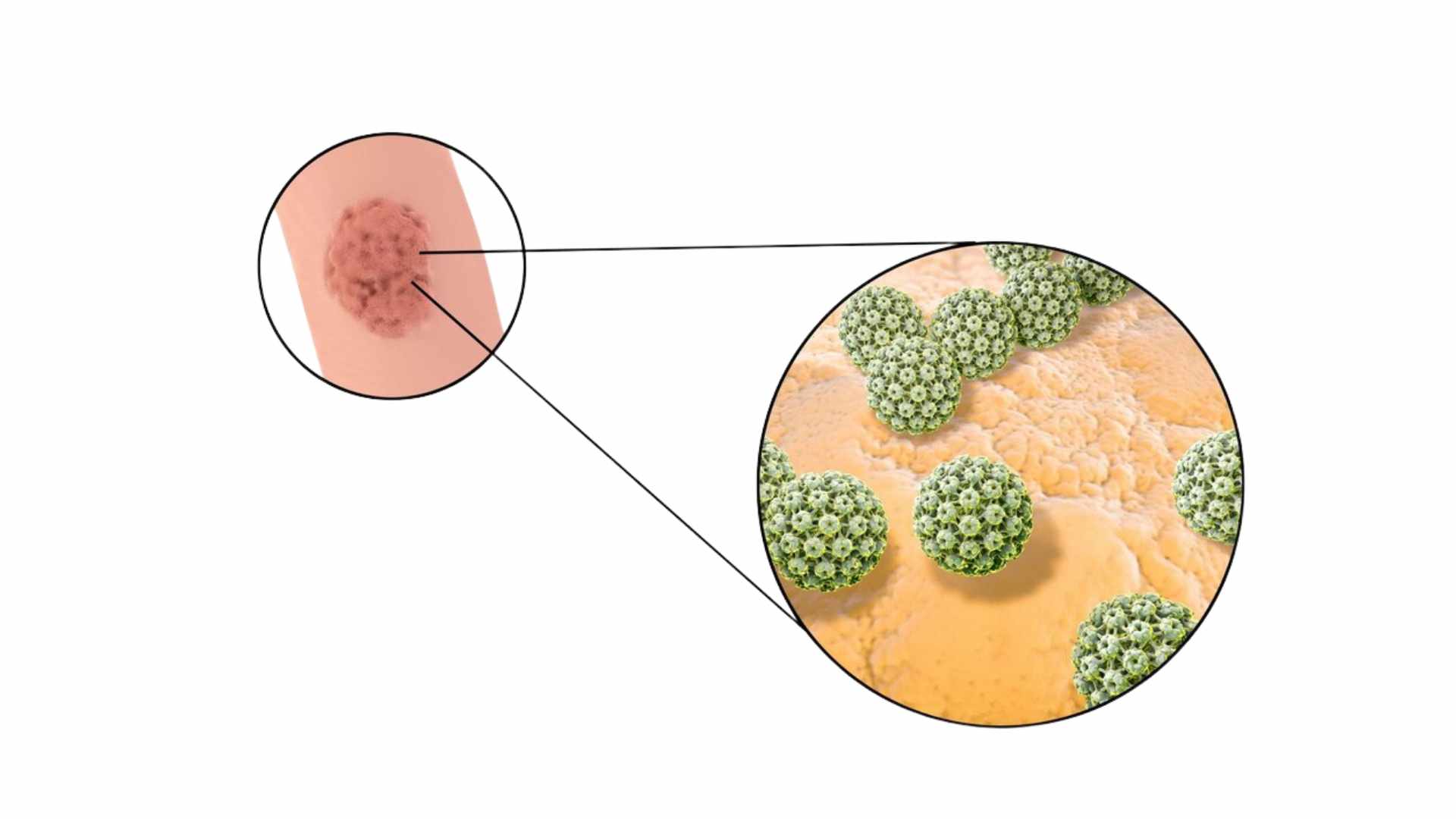
Actinomycetes are a group of gram-positive, filamentous bacteria found predominantly in soil and water. These microorganisms play a crucial role in the decomposition of organic matter and are well known for producing antibiotics. While most actinomycetes are beneficial, some species can cause infections in humans and animals, leading to a condition called actinomycosis.
Understanding Actinomycetes:
Actinomycetes belong to the order Actinomycetales and are characterized by their branching, filamentous structures resembling fungi. They are facultative anaerobes or strict anaerobes and are commonly found in decaying organic material. Some of the most notable genera include Actinomyces, Streptomyces, Nocardia, and Mycobacterium. While Streptomyces species are widely used for antibiotic production, Actinomyces species are known to cause infections in humans.
Causes & Symptoms:
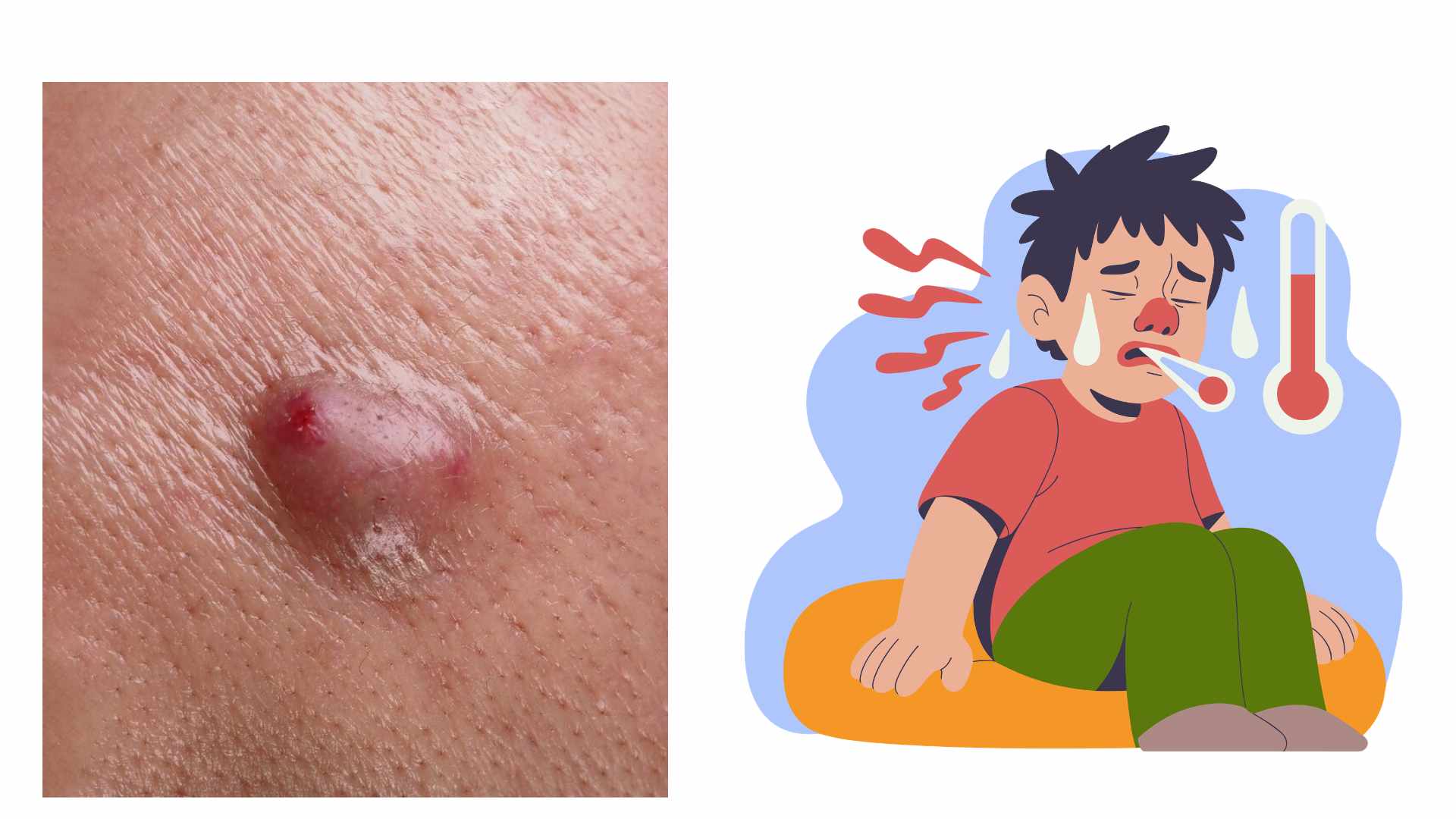
Actinomycosis is typically caused by Actinomyces israelii and other related species. These bacteria are part of the normal flora of the human mouth, throat, and intestines but can cause infection when they enter deep tissues through wounds, dental procedures, or surgeries. The symptoms depend on the site of infection and may include:
- Swelling and abscess formation
- Pus discharge with sulfur granules
- Fever and fatigue
- Pain and tenderness at the affected site
- Difficulty in swallowing (if affecting the oral region)
- Persistent cough and chest pain (if affecting the lungs.
Risk Factors:
Certain factors increase the likelihood of actinomycosis, including:
- Poor oral hygiene and dental infections
- Trauma or surgery involving the jaw or abdomen
- Weakened immune system (due to diseases like diabetes, HIV, or cancer)
- Use of intrauterine devices (IUDs) in women
- Chronic lung diseases or aspiration
Complications:
If left untreated, actinomycosis can lead to severe complications such as:
- Extensive tissue destruction
- Formation of draining sinus tracts
- Spread of infection to nearby organs (e.g., lungs, bones, or brain)
- Sepsis and systemic infections
- Scarring and deformities in affected areas
Diagnosis :
Actinomycosis is diagnosed based on clinical symptoms, imaging studies, and microbiological tests. The diagnostic process may include
Microscopic Examination & Culture: Identifying Actinomyces species in pus, tissue samples, or fluid from abscesses.
Histopathology: Examining biopsy specimens to detect sulfur granules and filamentous bacteria.
Imaging Studies: X-rays, CT scans, or MRIs to assess the extent of infection.
Benefits of Homoeopathic Treatment
1. Individualised Care: Homoeopathy recognizes that each person is unique. A homoeopath will assess your symptoms, medical history, and lifestyle to prescribe a personalised treatment plan tailored to your needs.
2. Gentle and Natural: Homoeopathic remedies are derived from natural substances and are known for their minimal side effects. They work in harmony with the body, promoting self-healing and overall well-being.
3. Holistic Approach: Homoeopathy takes into account not only the physical symptoms but also the emotional and mental aspects of an individual. It aims to restore balance at all levels, providing comprehensive care.
4. Long-Term Relief: By addressing the underlying causes of Hyperacidity, homoeopathy strives to achieve long-term relief and improved quality of life.
Homeopathy for Actinomycosis :
Homeopathy offers a natural approach to managing actinomycosis by boosting the immune system and addressing infection-related symptoms. Some commonly used remedies include:
- Hepar Sulph: Effective for suppurative infections with pus formation and tenderness.
- Silicea: Used for chronic abscesses and non-healing wounds with slow recovery.
- Myristica Sebifera: Helps in promoting drainage of pus and reducing inflammation.
- Mercurius Solubilis: Recommended for oral and throat infections with excessive salivation.
- Calcarea Sulph: Aids in preventing the spread of infection and promoting tissue healing.
Consulting a Homeopath
If you are seeking homoeopathic treatment for Actinomycetes, it is essential to consult with a qualified and experienced homoeopath. At Sanjivani Homeopathy Clinic, our team of skilled homoeopaths will conduct a thorough evaluation, considering your symptoms, medical history, and individual characteristics to develop a personalised treatment plan.
Sanjivani Homeopathy Clinic USP
- No homoeopathy Dietary Restrictions:
Allows patients to enjoy foods like onion, garlic, and coffee, ensuring a stress-free treatment journey.
- 24/7 Online Consultations:
Enables convenient access to doctors with detailed counseling, history management, and follow-ups.
- Highly Skilled Team:
Experienced BHMS and MD doctors, supported by multilingual and professional staff.
- Patient-Centric Care:
Simplifies treatment with modern, adaptable solutions and clear communication.
Click Here for Detailed "Sanjivani USP"
FAQ's
- What is homoeopathy ?
Homoeopathy is a holistic science which belives in the law of Similia Similibus Curenter i.e Like Cures Like .It was discovered by Dr Samuel Christian Hahnemannn in 1796.
- Is there any side effects of homoeopathy?
As homoeopathic medicines are made from natural substances this medicines have no side effects and are completely safe to consume
- Is there any diet restriction to take homoeopathic medicines?
There are no diet restrictions for homoeopathic medicines. One should only avoid eating or drinking any liquid other than water at least 30 minutes before and after taking homoeopathic medicines.
Click Here for "Frequently Asked Questions."
Conclusion
Homoeopathic remedies offer a holistic approach to managing actinomycetes by not only addressing the symptoms but also focusing on the root causes of the condition. By considering the individual's unique constitution, lifestyle, and emotional state, homoeopathy aims to stimulate the body's innate healing abilities, helping to restore balance in the digestive system. Unlike conventional treatments, which often focus on symptom suppression, homoeopathy seeks to promote long-term digestive health and well-being. Sanjivani homoeopathy can be a valuable complementary option in managing actinomycetes, providing relief from discomfort and supporting overall gastrointestinal health, all without the need for restrictive diets. This approach allows for a more personalized, sustainable way to manage the condition, fostering lasting improvement and quality of life.
Disclaimer : The information provided in this blog is for educational purposes only and should not be considered medical advice. Please consult with a qualified healthcare professional before starting any treatment for actinomycetes or any other medical condition.

