
Introduction
Acute Myeloid Leukemia (AML) is a type of cancer that affects the blood and bone marrow. It is characterized by the rapid growth of abnormal white blood cells that interfere with the production of healthy blood cells. AML is considered an “acute” leukemia because it progresses quickly and requires prompt medical attention. Without timely treatment, the condition can become life-threatening.
Understanding Acute Myeloid Leukemia:
AML begins in the bone marrow, the soft tissue inside bones where blood cells are formed. In a healthy body, the bone marrow produces mature and functional blood cells. In AML, however, the marrow produces large numbers of immature white blood cells called blasts. These abnormal cells do not function properly and crowd out healthy red blood cells, white blood cells, and platelets.
AML is divided into different subtypes based on genetic mutations and the characteristics of the leukemia cells. Identifying the subtype is important because it helps doctors determine the most suitable treatment approach.
Causes & Symptoms:
The exact cause of AML is not completely understood, but it is believed to develop due to a combination of genetic and environmental factors.
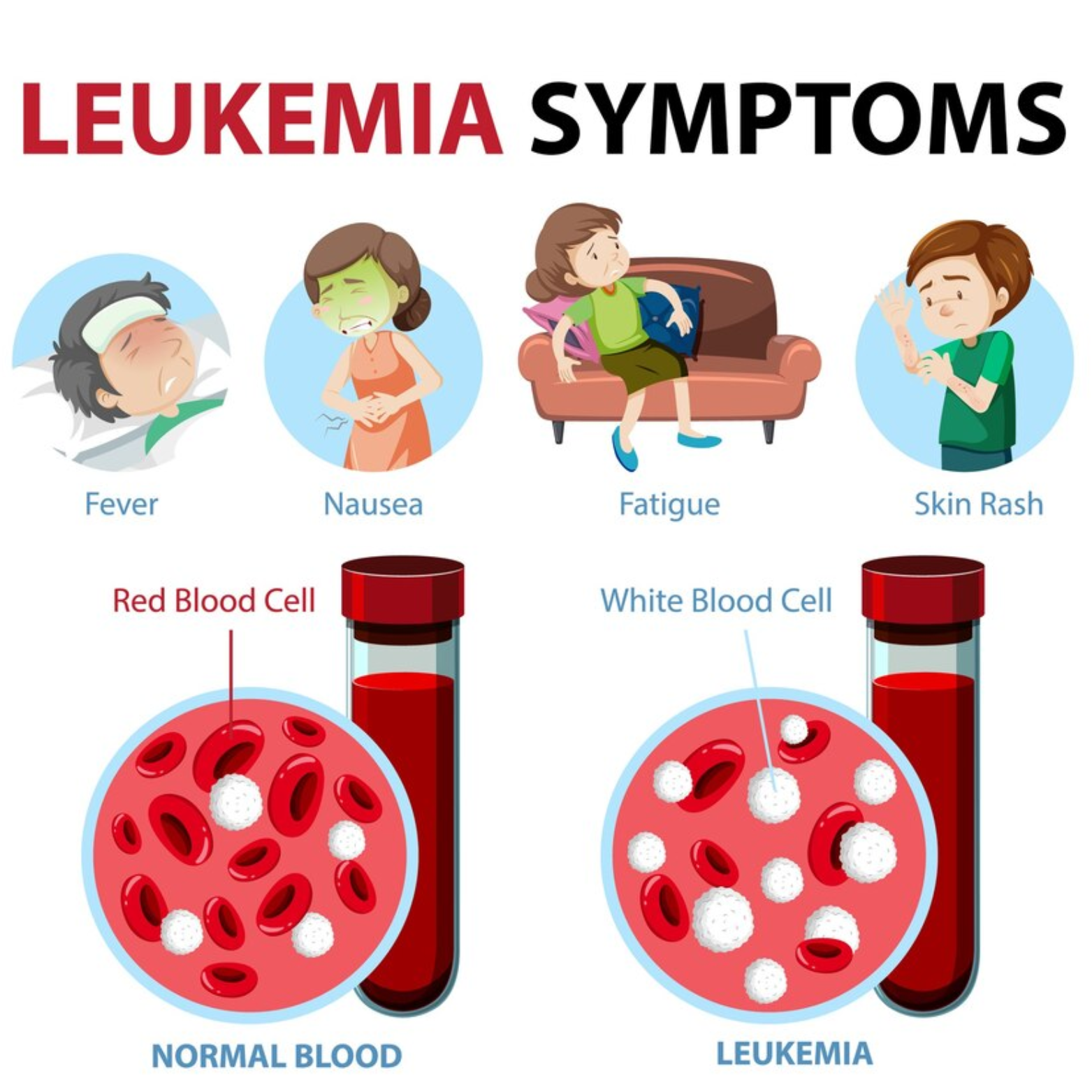
Common symptoms of AML may include:
- Fatigue and weakness
- Frequent infections
- Fever
- Easy bruising or bleeding
- Bone or joint pain
- Shortness of breath
- Unexplained weight loss
- Pale skin
- Loss of appetite
Symptoms may appear suddenly and often worsen rapidly if left untreated.
Risk Factors:
Certain factors may increase the risk of developing AML, including:
- Older age
- Previous chemotherapy or radiation therapy
- Exposure to harmful chemicals such as benzene
- Smoking
- Genetic disorders such as Down syndrome
- Certain blood disorders and bone marrow diseases
- Family history of blood cancers
Having one or more risk factors does not necessarily mean a person will develop AML, but it may increase susceptibility.
Complications:
AML can lead to several serious health complications due to the reduced production of normal blood cells. These complications may include:
- Infections: Caused by low levels of healthy white blood cells.
- Bleeding problems: Due to a low platelet count, leading to easy bruising or excessive bleeding.
- Anemia: Low red blood cell count causing fatigue, weakness, and breathlessness.
- Leukostasis: Extremely high white blood cell counts can thicken the blood and affect circulation.
- Organ damage: Abnormal cells may spread and affect organs such as the liver, spleen, or lungs.
Early diagnosis and treatment are important to prevent these complications.
Diagnosis :
Diagnosis of AML usually involves several tests, including:
Blood Tests: To detect abnormal blood cell counts and immature cells.
Bone Marrow Biopsy: A sample of bone marrow is examined to confirm the presence of leukemia cells.
Cytogenetic and Molecular Testing: These tests identify specific genetic mutations and help classify the subtype of AML.
Imaging Tests: In some cases, scans may be performed to assess the spread of disease or complications.
A proper diagnosis helps doctors plan the most effective treatment strategy.
Benefits of Homoeopathic Treatment
1. Individualised Care: Homoeopathy recognizes that each person is unique. A homoeopath will assess your symptoms, medical history, and lifestyle to prescribe a personalised treatment plan tailored to your needs.
2. Gentle and Natural: Homoeopathic remedies are derived from natural substances and are known for their minimal side effects. They work in harmony with the body, promoting self-healing and overall well-being.
3. Holistic Approach: Homoeopathy takes into account not only the physical symptoms but also the emotional and mental aspects of an individual. It aims to restore balance at all levels, providing comprehensive care.
4. Long-Term Relief: By addressing the underlying causes of Hyperacidity, homoeopathy strives to achieve long-term relief and improved quality of life.
Homoeopathy for AML:
For cancer, Sanjivani Homoeopathy aims to stimulate immunity, lessen pain, and improve energy and overall well-being, especially if a person is grappling with the side effects of chemotherapy and radiation such as nausea, hot flashes, infections, and sores. Treatments are tailored to individuals, so it’s common for two people with the same condition to receive different treatments. This personalized approach enhances the likelihood of treatment success and minimizes the potential for adverse effects.
Some commonly considered homoeopathic remedies include:
Arsenicum album – Often considered in cases with extreme weakness, restlessness, anxiety, burning sensations, and marked fatigue.
Phosphorus – May be considered for weakness, bleeding tendencies, recurrent infections, and exhaustion.
Carcinosinum – Sometimes used constitutionally in patients with a strong family history of cancer, marked sensitivity, and chronic weakness.
Ceanothus americanus – Traditionally considered when there is enlargement of the spleen, anemia, and weakness.
Ferrum phosphoricum – May help support cases with anemia, low-grade fever, and reduced vitality.
China officinalis – Often used for debility, weakness after blood loss, exhaustion, and low energy.
Natrum muriaticum – Considered in patients with weight loss, weakness, emotional suppression, and recurrent headaches.
Cadmium sulphuratum – Sometimes used as supportive care during chemotherapy-related nausea, weakness, and exhaustion.
Echinacea angustifolia – Traditionally considered for low immunity, recurrent infections, and septic states.
Calendula officinalis – Commonly used for healing support and maintaining tissue health.
Consulting a Homeopath:
If you are seeking homoeopathic treatment for AML, it is essential to consult with a qualified and experienced homoeopath. At Sanjivani Homeopathy Clinic, our team of skilled homoeopaths will conduct a thorough evaluation, considering your symptoms, medical history, and individual characteristics to develop a personalised treatment plan.
Sanjivani Homeopathy Clinic USP
- No homoeopathy Dietary Restrictions:
Allows patients to enjoy foods like onion, garlic, and coffee, ensuring a stress-free treatment journey.
- 24/7 Online Consultations:
Enables convenient access to doctors with detailed counseling, history management, and follow-ups.
- Highly Skilled Team:
Experienced BHMS and MD doctors, supported by multilingual and professional staff.
- Patient-Centric Care:
Simplifies treatment with modern, adaptable solutions and clear communication.
Click Here for Detailed "Sanjivani USP"
FAQ's
- What is homoeopathy ?
Homoeopathy is a holistic science which belives in the law of Similia Similibus Curenter i.e Like Cures Like .It was discovered by Dr Samuel Christian Hahnemannn in 1796.
- Is there any side effects of homoeopathy?
As homoeopathic medicines are made from natural substances this medicines have no side effects and are completely safe to consume
- Is there any diet restriction to take homoeopathic medicines?
There are no diet restrictions for homoeopathic medicines. One should only avoid eating or drinking any liquid other than water at least 30 minutes before and after taking homoeopathic medicines.
Click Here for "Frequently Asked Questions."
Conclusion
Acute Myeloid Leukemia (AML) is a serious and rapidly progressing blood cancer that requires timely diagnosis and treatment. Understanding its symptoms, risk factors, complications, and diagnostic methods can help in early detection and better management. Alongside conventional medical treatment, homoeopathy may offer supportive care aimed at improving overall well-being and quality of life through an individualized and holistic approach.
Disclaimer : The information provided in this blog is for educational purposes only and should not be considered medical advice. Please consult with a qualified healthcare professional before starting any treatment for acute myeloid leukemia or any other medical condition.

