
Introduction
Celiac disease is a gastric disorder in which eating gluten triggers an immune response in the small intestine. Gluten is a protein found in wheat & other grains like rye & barley. Whenever a person with celiac disease eats gluten, an immune response damages the small intestine.

Understanding Celiac disease:
The small intestines are lined with villi to absorb the nutrients present in the food that we eat. When the villi gets damaged from the immune response of a patient suffering from celiac disease, the absorption of the nutrients is hindered. Genetic predispositions may increase the risk for celiac disease.
Causes & Symptoms:
Causes:
- Family History: Having a first-degree relative (parent, child, sibling) with celiac disease significantly raises the risk, indicating a strong genetic link.
- Gluten Ingestion: When individuals with celiac disease consume gluten, their immune system mistakenly identifies it as a harmful substance
- Certain gastrointestinal infections, particularly in early childhood, may trigger celiac disease in genetically predisposed individuals.
- Severe stress, surgery, or other significant physical stressors may trigger the onset of symptoms in genetically predisposed individuals.
Symptoms:
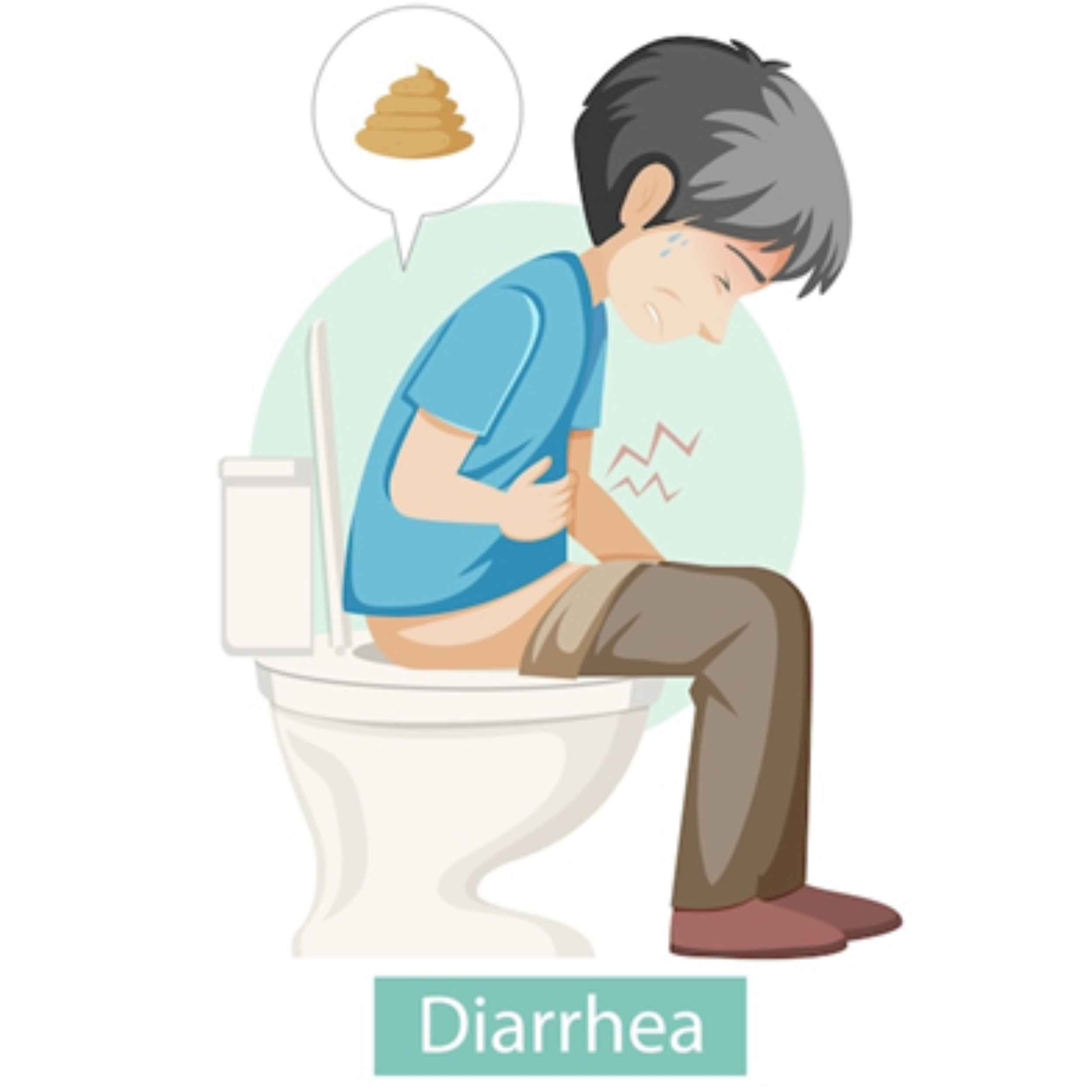
- Diarrhoea,
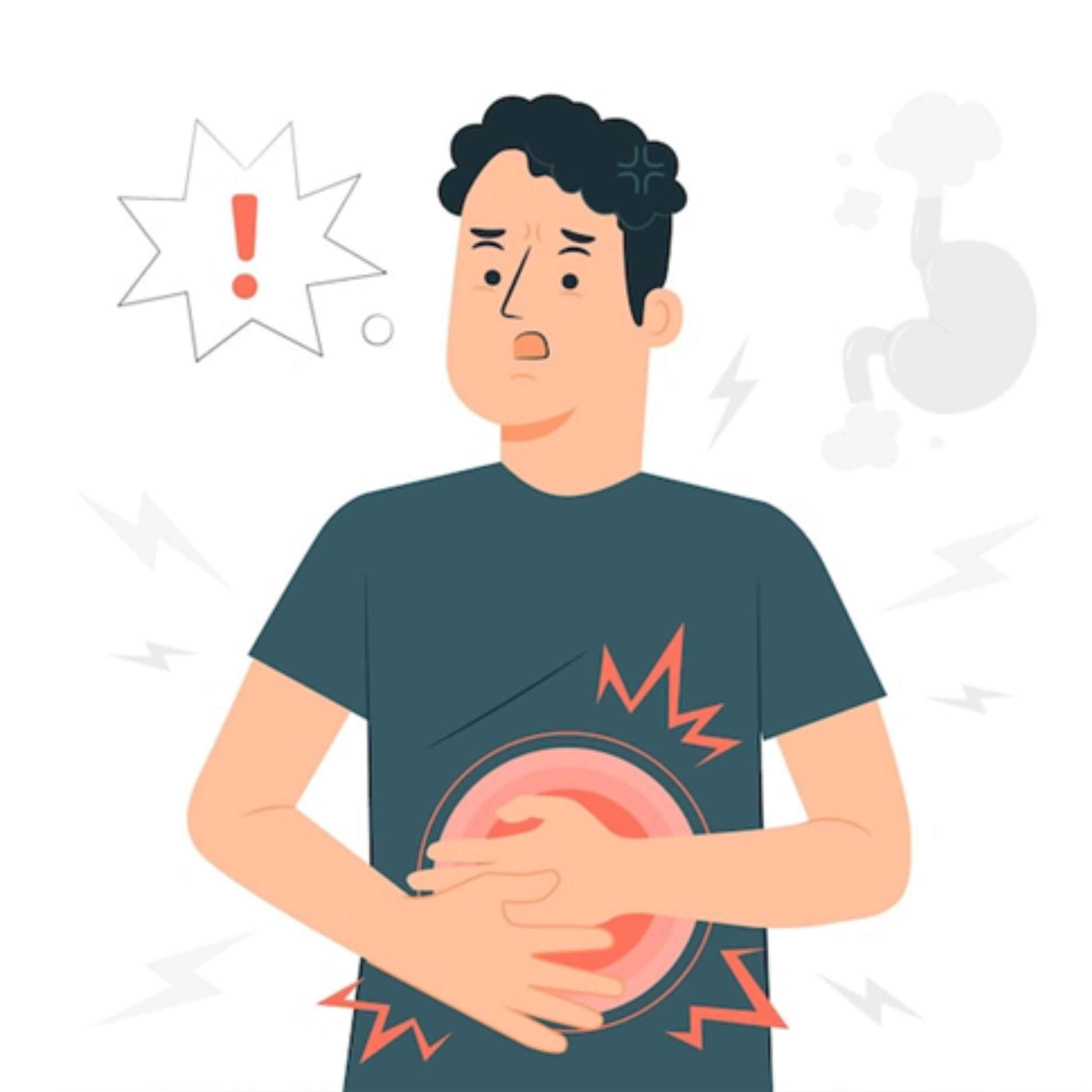
- Abdominal pain
- Cramps & bloated abdomen,
- Weight loss,

- The stool is pale, loose, voluminous & greasy.
- Due to malabsorption of nutrients, anaemia, weak bones, fatigue, deficiency of copper, zinc, iron, & selenium can also arise.
- In children, celiac disease hinders growth & development.
Risk Factors:
- The risk of developing celiac disease is increased by:
- Having a first-degree relative with celiac disease
- Having certain genetic variants, particularly HLA-DQ2 or HLA-DQ8
- Type 1 diabetes
- Autoimmune thyroid diseases
- Autoimmune liver diseases
- Down syndrome
- Turner syndrome
- Certain other autoimmune or genetic conditions
Complications:
- If celiac disease remains untreated, persistent intestinal inflammation and malabsorption can lead to:
- Iron-deficiency or other nutritional anemia
- Vitamin and mineral deficiencies
- Osteopenia or osteoporosis
- Reduced bone strength and increased fracture risk
- Poor growth and delayed puberty in children
- Unintentional weight loss or malnutrition
- Infertility or reproductive problems in some individuals
- Neurological problems associated with nutritional deficiencies
- Dermatitis herpetiformis
- Increased risk of certain intestinal malignancies, particularly enteropathy-associated T-cell lymphoma, although these complications are uncommon
Diagnosis :
If celiac disease remains untreated, persistent intestinal inflammation and malabsorption can lead to:
- Iron-deficiency or other nutritional anemia
- Vitamin and mineral deficiencies
- Osteopenia or osteoporosis
- Reduced bone strength and increased fracture risk
- Poor growth and delayed puberty in children
- Unintentional weight loss or malnutrition
- Infertility or reproductive problems in some individuals
- Neurological problems associated with nutritional deficiencies
- Dermatitis herpetiformis
- Increased risk of certain intestinal malignancies, particularly enteropathy-associated T-cell lymphoma, although these complications are uncommon
Benefits of Homoeopathic Treatment
1. Individualised Care: Homoeopathy recognizes that each person is unique. A homoeopath will assess your symptoms, medical history, and lifestyle to prescribe a personalised treatment plan tailored to your needs.
2. Gentle and Natural: Homoeopathic remedies are derived from natural substances and are known for their minimal side effects. They work in harmony with the body, promoting self-healing and overall well-being.
3. Holistic Approach: Homoeopathy takes into account not only the physical symptoms but also the emotional and mental aspects of an individual. It aims to restore balance at all levels, providing comprehensive care.
4. Long-Term Relief: By addressing the underlying causes of Hyperacidity, homoeopathy strives to achieve long-term relief and improved quality of life.
Homeopathy and Celiac disease :
Homoeopathy can play a supportive role in managing celiac disease by focusing on alleviating symptoms and enhancing overall well-being. Although a strict gluten-free diet remains the primary treatment for celiac disease, homoeopathic remedies can help manage the various symptoms that arise from this condition
HOMOEOPATHIC TREATMENT FOR CELIAC DISEASE
1. NATRUM SULPH
- For yellow & watery stool
- Voluminous & greasy
- Burning sensation in anus after passing stool
- Cramps around umbilical region
- Gently rubbing belly gives relief from the pain
2. CHINA
- For diarrhoea with marked weakness & exhaustion
- Occurrence of diarrhoea along with marked physical weakness & fatigue
- Stool is yellow, frothy,
3. LYCOPODIUM & KALI CARB
- When excessive gas is primary symptom
- Bloating
- Distended abdomen
- Stomach feels as If it burst
- Sour belching
- Painless diarrhoea
4. CARBO VEG
- Offensive stools
- Ineffectual urge to pass stool
- Difficulty to wear tight clothing around waist
- Burning sensation in stomach
5. Arsenic album -
- Cannot bear the sight or smell of food
- Nausea, retching, vomiting, after eating or drinking.
- Anxiety in the pit of the stomach.
- Burning pain.
- Crave acids and coffee.
- Everything swallowed seems to lodge in the oesophagus
- Small, offensive, dark, with much prostration
Consulting a Homeopath:
For those considering homoeopathic treatment, consulting a professional Sanjivani homoeopath is crucial. A Sanjivani homoeopath will conduct a thorough health evaluation, considering individual symptoms and overall health before prescribing specific remedies. This personalised approach ensures the treatment aligns with the patient's unique needs.
Sanjivani Homeopathy Clinic USP
- No homoeopathy Dietary Restrictions:
Allows patients to enjoy foods like onion, garlic, and coffee, ensuring a stress-free treatment journey.
- 24/7 Online Consultations:
Enables convenient access to doctors with detailed counseling, history management, and follow-ups.
- Highly Skilled Team:
Experienced BHMS and MD doctors, supported by multilingual and professional staff.
- Patient-Centric Care:
Simplifies treatment with modern, adaptable solutions and clear communication.
Click Here for Detailed "Sanjivani USP"
FAQ's
- What is homoeopathy ?
Homoeopathy is a holistic science which belives in the law of Similia Similibus Curenter i.e Like Cures Like .It was discovered by Dr Samuel Christian Hahnemannn in 1796.
- Is there any side effects of homoeopathy?
As homoeopathic medicines are made from natural substances this medicines have no side effects and are completely safe to consume
- Is there any diet restriction to take homoeopathic medicines?
There are no diet restrictions for homoeopathic medicines. One should only avoid eating or drinking any liquid other than water at least 30 minutes before and after taking homoeopathic medicines.
Click Here for "Frequently Asked Questions."
Conclusion
While adhering to a strict gluten-free diet is the primary treatment for celiac disease, Sanjivani homoeopathy can offer supportive care to alleviate symptoms and enhance quality of life. By addressing specific symptoms and promoting holistic well-being, Sanjivani homoeopathic remedies can complement conventional treatment. Always seek guidance from a qualified Sanjivani homoeopath to ensure the safe and effective use of these remedies.
Disclaimer: The information provided in this blog is for educational purposes only and should not be considered medical advice. Please consult with a qualified healthcare professional before starting any treatment for Celiac Disease or any other medical condition.

