
Introduction
Corns are thickened areas of skin that develop as a protective response to repeated friction, pressure, or irritation. They commonly appear on the feet—especially on the toes, soles, or between the toes. Although they are not dangerous, corns can cause discomfort, pain, and difficulty while walking or wearing shoes.
Understanding Corns
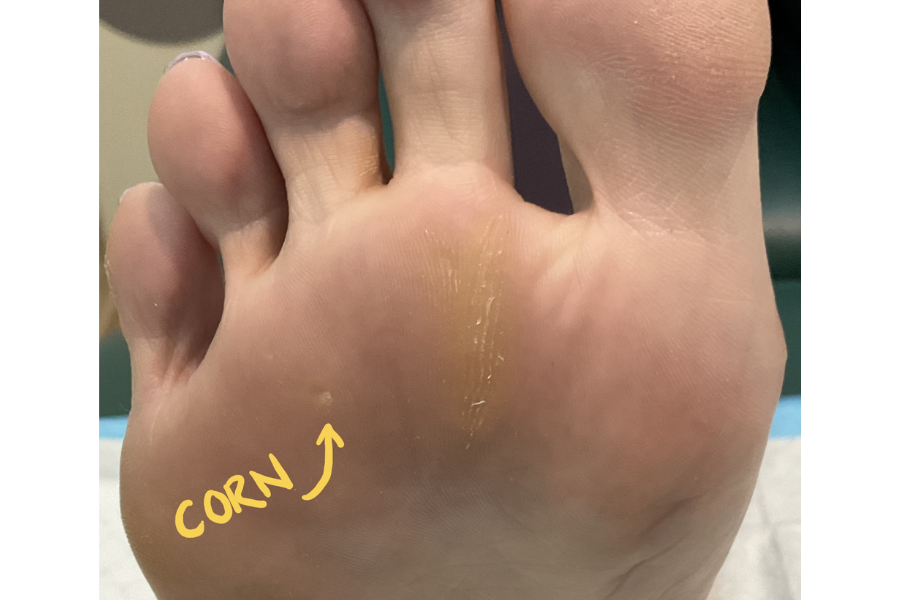
A corn is a small, circular area of thickened skin with a dense central core that presses into the deeper layers of the skin. They are the body’s way of protecting itself from excessive pressure or rubbing. Corns differ from calluses, which are larger, more diffuse areas of thickened skin without a central core.
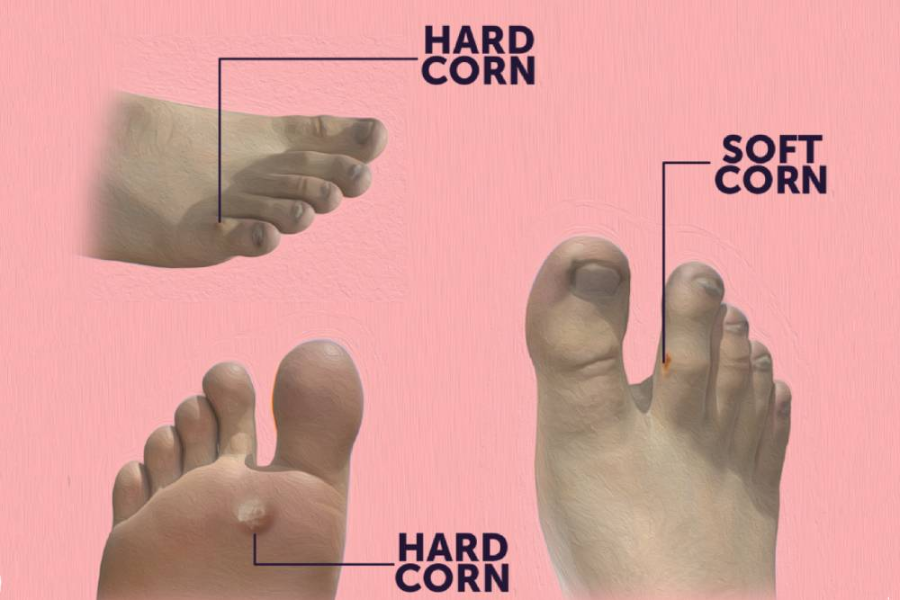
There are mainly two types of corns:
- Hard corns: Usually found on the tops or sides of toes, firm and dry.
- Soft corns: Found between toes, softer due to moisture and sweat.
Causes and Symptoms
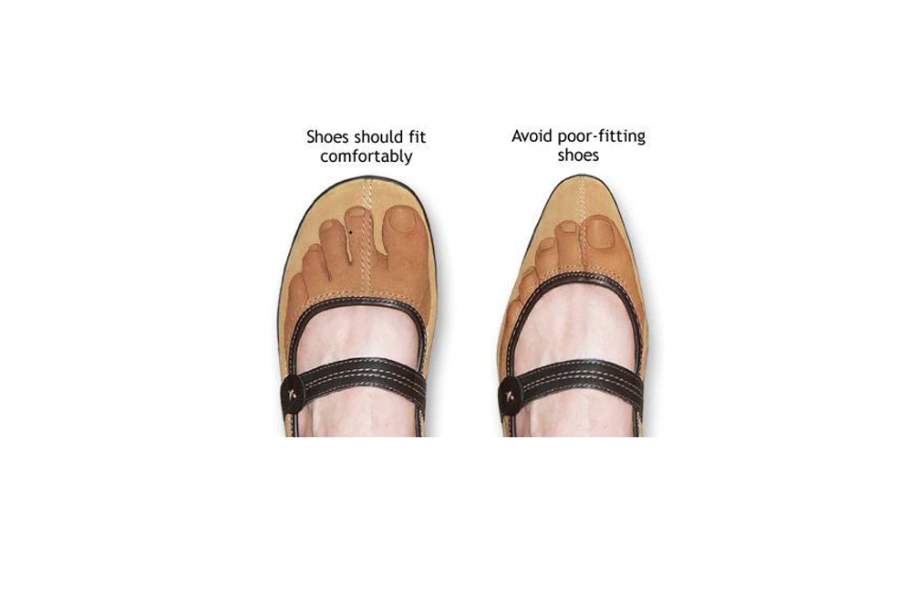
Continuous friction or pressure from tight or ill-fitting shoes
Wearing high heels or narrow footwear
Walking barefoot on hard surfaces
Abnormal foot structure (e.g., hammer toes, bunions)
Repetitive activities like running or dancing
Not wearing socks or wearing poorly cushioned ones
Symptoms of Corns
- Thick, rough, or hardened area of skin
- Raised, circular bump with a hard core
- Tenderness or pain when pressure is applied
- Discomfort while walking or wearing shoes
- Dryness or flaking of the affected area
Risk Factors
- Wearing tight, high-heeled, or poorly fitting shoes
- Occupations requiring long hours of standing or walking
- Structural deformities of the foot (like flat feet or bony prominences)
- Lack of proper foot hygiene
- Diabetes or poor blood circulation (increases the risk of complications)
Complications :
If left untreated or if continuously irritated, corns can lead to:
- Persistent pain and discomfort
- Infection, especially if the skin breaks open
- Difficulty walking properly
- Ulcers (particularly in diabetic patients)
- Recurrence even after removal, if the root cause persists
Diagnosis
Diagnosis is usually clinical and based on:
Physical examination: A doctor or podiatrist inspects the affected area for thickened skin and a hard core.
Foot structure assessment: To check for underlying deformities or gait abnormalities.
Differentiation: Corns are differentiated from warts, calluses, or other skin lesions.
In diabetic or vascular-compromised patients, further tests may be done to check blood flow and nerve function.
Homoeopathy for corns
Homeopathy offers safe and effective remedies that not only help remove corns but also prevent their recurrence by addressing the underlying cause. Some commonly used remedies include:
Antimonium crudum: For hard, horny corns with thickened skin, especially on soles and toes.
Nitric acid: For painful corns with sharp, splinter-like sensations; suited when corns are sensitive to touch.
Silicea: For corns that are inflamed, suppurating, or slow to heal.
Thuja occidentalis: For soft corns or warty growths; also helps when corns reappear frequently.
Graphites: For dry, cracked skin with painful corns.
Hepar sulphuris: For corns that are infected or have pus formation.
Benefits of Homoeopathic Treatment
- Individualised Care: Homoeopathy recognises that each person is unique. A homeopath will assess your symptoms, medical history, and lifestyle to prescribe a personalised treatment plan tailored to your needs.
- Gentle and Natural: Homoeopathic remedies are derived from natural substances and are known for their minimal side effects. They work in harmony with the body, promoting self-healing and overall well-being.
- Holistic Approach: Homoeopathy takes into account not only the physical symptoms but also the emotional and mental aspects of an individual. It aims to restore balance at all levels, providing comprehensive care.
- Long-Term Relief: By addressing the underlying causes of Corns, homeopathy strives to achieve long-term relief and improved quality of life.
Consulting a Homeopath
If you are seeking homeopathic treatment for Corns, it is essential to consult with a qualified and experienced homeopath. At Sanjivani Homeopathy Clinic, our team of skilled homoeopaths will conduct a thorough evaluation, considering your symptoms, medical history, and individual characteristics to develop a personalised treatment plan.
Sanjivani Homeopathy Clinic USP
- No homeopathy Dietary Restrictions:
Allows patients to enjoy foods like onion, garlic, and coffee, ensuring a stress-free treatment journey.
- 24/7 Online Consultations:
Enables convenient access to doctors with detailed counseling, history management, and follow-ups.
- Highly Skilled Team:
Experienced BHMS and MD doctors, supported by multilingual and professional staff.
- Patient-Centric Care:
Simplifies treatment with modern, adaptable solutions and clear communication.
Click Here for Detailed "Sanjivani USP"
FAQ's
- What is homoeopathy ?
Homoeopathy is a holistic science which belives in the law of Similia Similibus Curenter i.e Like Cures Like .It was discovered by Dr Samuel Christian Hahnemannn in 1796.
- Is there any side effects of homoeopathy?
As homoeopathic medicines are made from natural substances this medicines have no side effects and are completely safe to consume
- Is there any diet restriction to take homoeopathic medicines?
There are no diet restrictions for homoeopathic medicines. One should only avoid eating or drinking any liquid other than water at least 30 minutes before and after taking homoeopathic medicines.
Click Here for "Frequently Asked Questions."
Conclusion
Corns are a common foot problem resulting from pressure and friction. While not life-threatening, they can cause significant discomfort if ignored. Preventive measures such as wearing properly fitted shoes, keeping feet clean and moisturized, and avoiding continuous pressure can help. Homeopathic medicines provide a holistic approach by treating not only the corn but also the underlying tendency to develop them again, offering relief without side effects.
Disclaimer: The information provided in this blog is for educational purposes only and should not be considered medical advice. Please consult with a qualified healthcare professional before starting any treatment for corns or any other medical condition.

