
Introduction
Adenomyosis is a gynecological condition where the endometrial tissue (lining of the uterus) grows into the muscular wall of the uterus. This causes the uterus to become enlarged, leading to symptoms like heavy menstrual bleeding, severe cramps, and pelvic pain. It most commonly affects women in their 30s and 40s, especially those who have had children. While it is not life-threatening, it can significantly impact a woman’s quality of life.
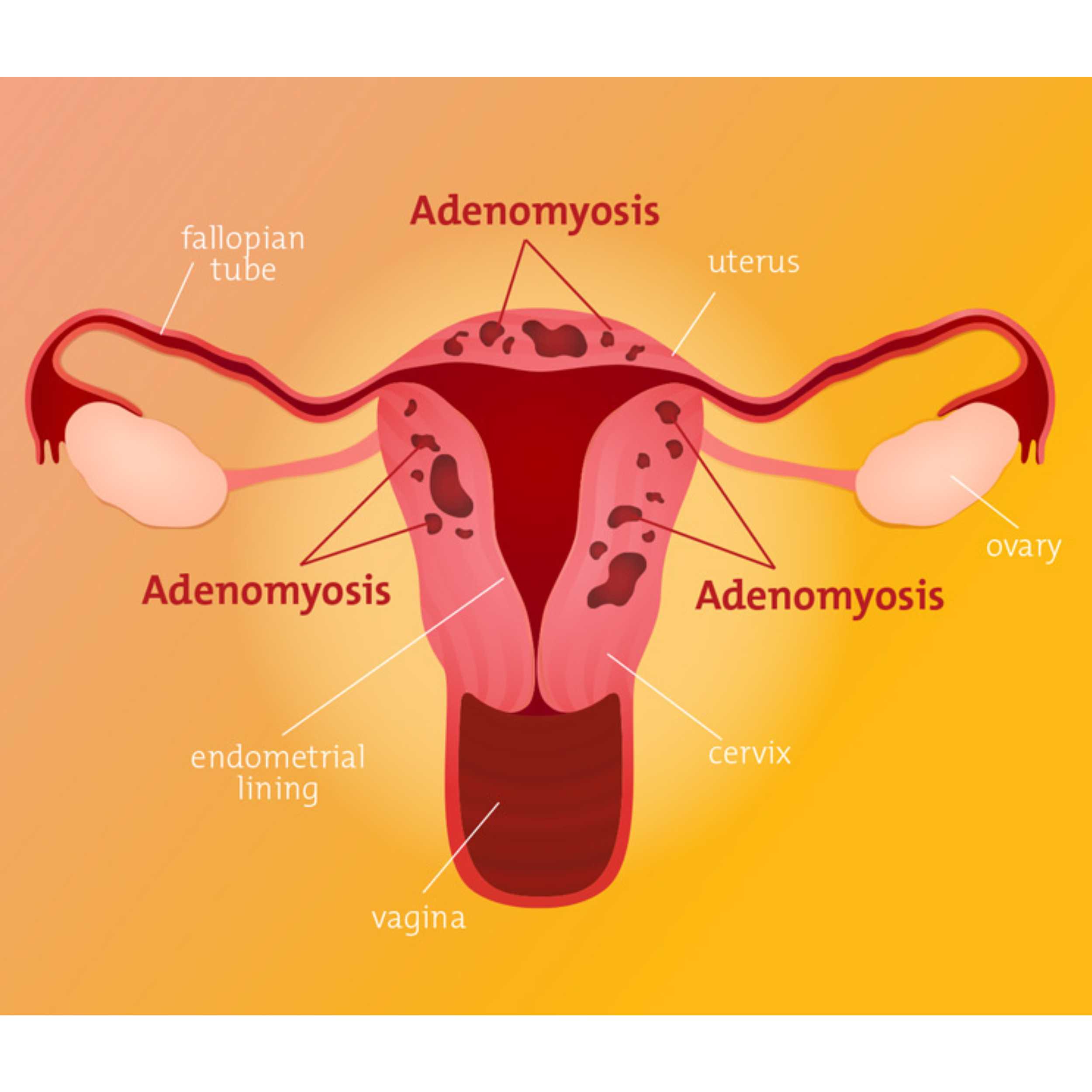
Understanding Adenomyosis:
Adenomyosis occurs when the endometrial glands infiltrate the uterine muscle (myometrium). Normally, the endometrium sheds during menstruation, but in adenomyosis, the trapped endometrial tissue within the muscle continues to function, leading to swelling, inflammation, and pain. The exact reason for this abnormal tissue growth is not fully understood, but it is believed to be linked to hormonal changes, inflammation, and previous uterine trauma.
Causes & Symptoms:
Causes :
Although the exact cause of adenomyosis is unknown, several theories suggest:
- Invasive growth of endometrial cells – Cells from the uterine lining may invade the muscle layer due to previous surgeries like a C-section or uterine inflammation.
- Developmental origins – Some researchers believe the condition starts when the uterus is forming in the fetus.
- Hormonal influence – Estrogen, progesterone, and prolactin may trigger or worsen adenomyosis.
- Inflammation and immune response – Chronic inflammation may contribute to abnormal tissue growth.
Symptoms:
Adenomyosis symptoms can vary, but common ones include:
- Heavy or prolonged menstrual bleeding (menorrhagia)
- Severe menstrual cramps (dysmenorrhea)
- Pelvic pain and pressure
- Enlarged and tender uterus
- Painful intercourse (dyspareunia)
- Blood clots during periods
Some women may have adenomyosis but experience mild or no symptoms.

Risk Factors:
Certain factors increase the risk of developing adenomyosis, including:
- Age – Most common in women between 35-50 years.
- Childbirth history – Women who have given birth are at a higher risk.
- Uterine surgery – C-sections, fibroid removal, or dilation & curettage (D&C) can contribute.
- Hormonal imbalance – Estrogen dominance plays a role in disease progression.
- Inflammation of the uterus – Chronic infections or uterine trauma can increase the risk.
Complications:
If left untreated, adenomyosis can lead to:
- Severe anemia – Due to heavy blood loss, causing fatigue, weakness, and dizziness.
- Chronic pelvic pain – Persistent discomfort affecting daily life.
- Infertility – Though not always, severe cases may impact fertility.
- Emotional distress – The condition can lead to stress, anxiety, and depression due to its impact on daily activities and intimate relationships.

Diagnosis :
Diagnosing adenomyosis can be challenging because its symptoms overlap with conditions like fibroids and endometriosis. Common diagnostic methods include:
Pelvic Examination – A doctor may feel an enlarged, tender uterus.
Ultrasound (USG) – Can detect thickening of the uterine walls but may not always confirm adenomyosis.
MRI (Magnetic Resonance Imaging) – The most accurate imaging test for adenomyosis, showing uterine wall thickening and trapped endometrial tissue.
Biopsy – Not typically done for adenomyosis, as it is difficult to obtain a tissue sample from within the uterine muscle.
Hysteroscopy – A minimally invasive test to look inside the uterus for abnormalities.
Benefits of Homoeopathic Treatment
1. Individualised Care: Homoeopathy recognizes that each person is unique. A homoeopath will assess your symptoms, medical history, and lifestyle to prescribe a personalised treatment plan tailored to your needs.
2. Gentle and Natural: Homoeopathic remedies are derived from natural substances and are known for their minimal side effects. They work in harmony with the body, promoting self-healing and overall well-being.
3. Holistic Approach: Homoeopathy takes into account not only the physical symptoms but also the emotional and mental aspects of an individual. It aims to restore balance at all levels, providing comprehensive care.
4. Long-Term Relief: By addressing the underlying causes of Hyperacidity, homoeopathy strives to achieve long-term relief and improved quality of life.
Homeopathy for Adenomyosis:
Homeopathy offers a holistic and natural approach to managing adenomyosis by addressing hormonal imbalances, reducing inflammation, and relieving pain. Some commonly used remedies include:
Sepia – Effective for pelvic congestion, painful menses, and prolapse of the uterus.
Calcarea Carbonica – Recommended for heavy, prolonged periods with fatigue and weight gain.
Sabina – Best for excessive menstrual bleeding with severe cramps.
Thuja Occidentalis – Helps in hormonal regulation and reducing abnormal tissue growth.
Belladonna – Useful for sudden, intense pelvic pain and inflammation.
Pulsatilla – Helps in hormonal irregularities, mood swings, and suppressed periods.
Phosphorus – Beneficial for anemia due to heavy periods and clotting.
Consulting a Homeopath:
If you are seeking homoeopathic treatment for Adenomyosis, it is essential to consult with a qualified and experienced homoeopath. At Sanjivani Homeopathy Clinic, our team of skilled homoeopaths will conduct a thorough evaluation, considering your symptoms, medical history, and individual characteristics to develop a personalised treatment plan.
Sanjivani Homeopathy Clinic USP
- No homoeopathy Dietary Restrictions:
Allows patients to enjoy foods like onion, garlic, and coffee, ensuring a stress-free treatment journey.
- 24/7 Online Consultations:
Enables convenient access to doctors with detailed counseling, history management, and follow-ups.
- Highly Skilled Team:
Experienced BHMS and MD doctors, supported by multilingual and professional staff.
- Patient-Centric Care:
Simplifies treatment with modern, adaptable solutions and clear communication.
Click Here for Detailed "Sanjivani USP"
FAQ's
- What is homoeopathy ?
Homoeopathy is a holistic science which belives in the law of Similia Similibus Curenter i.e Like Cures Like .It was discovered by Dr Samuel Christian Hahnemannn in 1796.
- Is there any side effects of homoeopathy?
As homoeopathic medicines are made from natural substances this medicines have no side effects and are completely safe to consume
- Is there any diet restriction to take homoeopathic medicines?
There are no diet restrictions for homoeopathic medicines. One should only avoid eating or drinking any liquid other than water at least 30 minutes before and after taking homoeopathic medicines.
Click Here for "Frequently Asked Questions."
Conclusion
Homeopathic remedies offer a holistic approach to managing adenomyosis by addressing not only the symptoms but also the underlying causes of the condition. By considering the individual's unique constitution, hormonal balance, lifestyle, and emotional state, homeopathy aims to stimulate the body’s natural healing ability, reducing inflammation, regulating menstrual cycles, and alleviating pain. Unlike conventional treatments, which often focus on hormonal suppression or surgical interventions, homeopathy promotes long-term uterine health and overall well-being. Sanjivani Homeopathy provides a valuable, non-invasive, and natural alternative for managing adenomyosis, offering relief from discomfort and improving quality of life—all without the need for hormonal drugs or restrictive diets. This personalized approach ensures sustainable management of the condition, fostering lasting improvement and better reproductive health.
Disclaimer : The information provided in this blog is for educational purposes only and should not be considered medical advice. Please consult with a qualified healthcare professional before starting any treatment for adenomyosis or any other medical condition.

