
Introduction
Adenoids are masses of lymphatic tissue located at the back of the nasal passage, where the nose blends into the throat (nasopharynx).
They are a part of the body's immune system, similar to tonsils, and play a role in fighting off infections.
Adenoids are present at birth, grow during childhood, and typically begin to shrink after age 7.
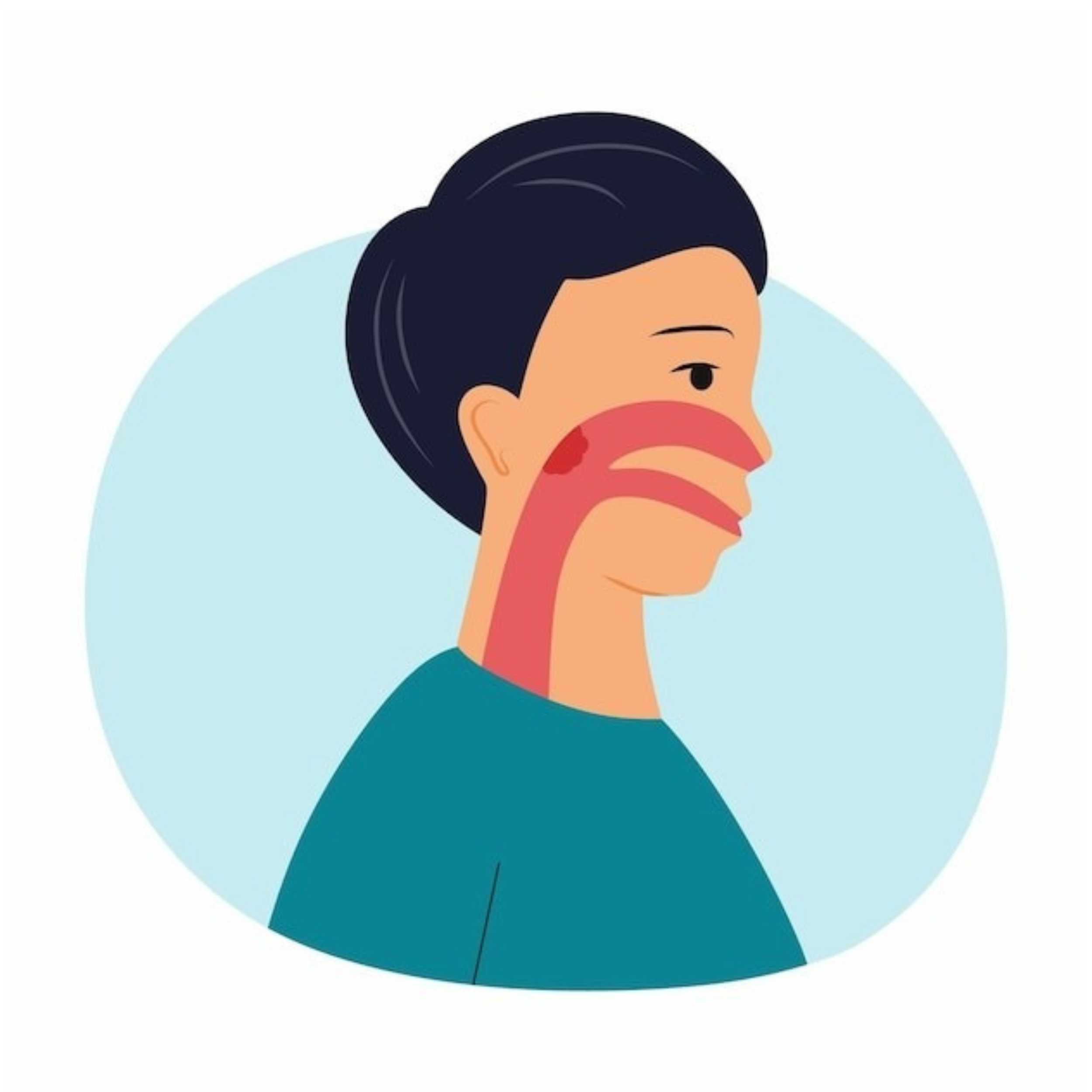
Adenoid : Understanding Enlarged Lymphatic Tissue:
Adenoids, along with tonsils, are part of the lymphatic system, which helps protect the body from infections.
They function by trapping bacteria and viruses that enter through the nose and producing antibodies to fight them.
In some cases, adenoids can become enlarged (hypertrophied), causing various symptoms and complications.
Causes & Symptoms:
Causes:
- Infections (viral or bacterial) are the most common cause of adenoid enlargement.
- Allergies can also contribute to adenoid inflammation.
- In some children, enlarged adenoids may be present from birth.
- Rarely chronic infections, allergies, pollutants, or smoking can cause enlarged adenoids in adults.
Symptoms:
- Nasal congestion and stuffiness.
- Mouth breathing.
- Snoring and noisy breathing.
- Sleep disturbances, including sleep apnea.
- Runny nose.
- Sore throat and dry mouth.
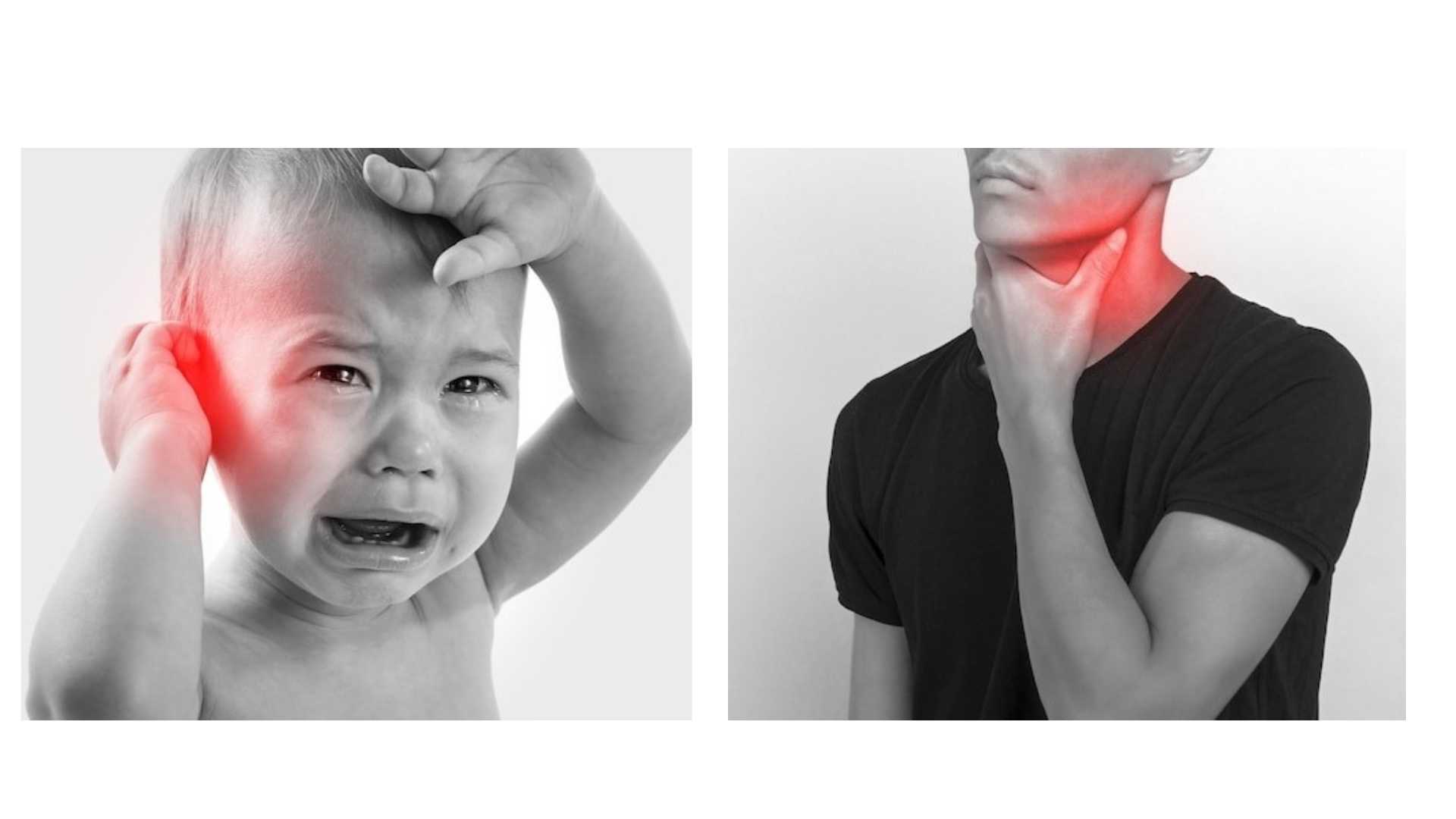
- Swollen glands in the neck.
- Ear pain and frequent ear infections.
- Sinus problems.
- Nasal speech.
- Swallowing difficulty.

Risk Factors:
- Frequent upper respiratory infections.
- Allergies.
- Exposure to secondhand smoke.
- Family history of adenoid problems.
Complications:
- Recurrent ear infections.
- Sinusitis.
- Sleep apnea.
- Hearing problems.
- Dental problems (due to chronic mouth breathing).
- "Adenoid facies" (elongated face, open mouth, pinched nostrils).
- Glue ear (otitis media with effusion)
Diagnosis :
To diagnose Adenoids, doctors typically perform:
Physical examination, including examination of the throat and neck.
Nasopharyngoscopy (using a thin, flexible scope to visualize the adenoids).
Imaging studies (X-rays, CT scans) may be used in some cases.
Ear examination to check for ear infections.
Sleep studies may be used when sleep apnea is suspected.
Benefits of Homoeopathic Treatment
1. Individualised Care: Homoeopathy recognizes that each person is unique. A homoeopath will assess your symptoms, medical history, and lifestyle to prescribe a personalised treatment plan tailored to your needs.
2. Gentle and Natural: Homoeopathic remedies are derived from natural substances and are known for their minimal side effects. They work in harmony with the body, promoting self-healing and overall well-being.
3. Holistic Approach: Homoeopathy takes into account not only the physical symptoms but also the emotional and mental aspects of an individual. It aims to restore balance at all levels, providing comprehensive care.
4. Long-Term Relief: By addressing the underlying causes of Hyperacidity, homoeopathy strives to achieve long-term relief and improved quality of life.
Homeopathy for Adenoids:
Homeopathic practitioners believe that their remedies can stimulate the body's self-healing mechanisms and may be used to address adenoid enlargement and related symptoms.
Here are some remedies used in homeopathy for adenoid issues. It is important to remember that these are not scientifically proven to cure adenoid issues.
Baryta Carb:
For enlarged adenoids and tonsils, especially in children prone to colds.
Symptoms include throat pain, difficulty swallowing, and nasal blockage.
Children may be mentally or physically weak, and have offensive foot sweat.
Bacillinum:
Used when the patient frequently catches colds.
Often prescribed based on the totality of symptoms.
Used when family history of respiratory allergies or Tuberculosis is present.
Calcarea Carb:
For obese children with enlarged adenoids.
Symptoms include excessive sweating (especially on the head), sensitivity to cold, and cravings for eggs and sweets.
The child may also crave indigestible items.
Natrum Mur:
For lean, emaciated children with enlarged adenoids and frequent upper respiratory infections.
Symptoms include sneezing, watery nasal discharge, and headaches from sun exposure.
Children may be cranky and stubborn.
Opium:
Used when snoring is the primary symptom.
Rattling breathing and sleep apnea can also be present.
Excessive drowsiness can also be present.
Tuberculinum:
Used when the child is very sensitive to cold air.
Used when there is a family history of tuberculosis.
Children are very susceptible to infections.
Kali Sulphuricum:
Used for adenoids that return after surgery.
Symptoms include nasal blockage and yellow nasal discharge.
Sambucus Nigra:
Used for intense nasal blockage, especially at night.
Mouth breathing is prominent.
Consulting a Homeopath
If you are seeking homoeopathic treatment for Adenoids, it is essential to consult with a qualified and experienced homoeopath. At Sanjivani Homeopathy Clinic, our team of skilled homoeopaths will conduct a thorough evaluation, considering your symptoms, medical history, and individual characteristics to develop a personalised treatment plan.
Sanjivani Homeopathy Clinic USP
- No homoeopathy Dietary Restrictions:
Allows patients to enjoy foods like onion, garlic, and coffee, ensuring a stress-free treatment journey.
- 24/7 Online Consultations:
Enables convenient access to doctors with detailed counseling, history management, and follow-ups.
- Highly Skilled Team:
Experienced BHMS and MD doctors, supported by multilingual and professional staff.
- Patient-Centric Care:
Simplifies treatment with modern, adaptable solutions and clear communication.
Click Here for Detailed "Sanjivani USP"
FAQ's
- What is homoeopathy ?
Homoeopathy is a holistic science which belives in the law of Similia Similibus Curenter i.e Like Cures Like .It was discovered by Dr Samuel Christian Hahnemannn in 1796.
- Is there any side effects of homoeopathy?
As homoeopathic medicines are made from natural substances this medicines have no side effects and are completely safe to consume
- Is there any diet restriction to take homoeopathic medicines?
There are no diet restrictions for homoeopathic medicines. One should only avoid eating or drinking any liquid other than water at least 30 minutes before and after taking homoeopathic medicines.
Click Here for "Frequently Asked Questions."
Conclusion
Homeopathic remedies offer a holistic approach to managing adenoid enlargement by not only addressing the immediate symptoms but also focusing on the underlying susceptibility and individual constitution. By considering the child's unique tendencies, such as their response to cold, susceptibility to infections, and even emotional disposition, homeopathy aims to stimulate the body's innate immune response, helping to restore balance to the lymphatic system and reduce adenoid hypertrophy. Unlike conventional treatments, which may often focus on symptom suppression or surgical removal, homeopathy seeks to promote long-term respiratory health and well-being. Sanjivani homeopathy can be a valuable complementary option in managing adenoid-related issues, providing relief from nasal congestion, snoring, and recurrent infections, and supporting overall upper respiratory health, often minimizing the need for invasive procedures. This approach allows for a more personalized, sustainable way to manage the condition, fostering lasting improvement in breathing, sleep, and quality of life for the child.
Disclaimer : The information provided in this blog is for educational purposes only and should not be considered medical advice. Please consult with a qualified healthcare professional before starting any treatment for adenoids or any other medical condition.

