
Introduction
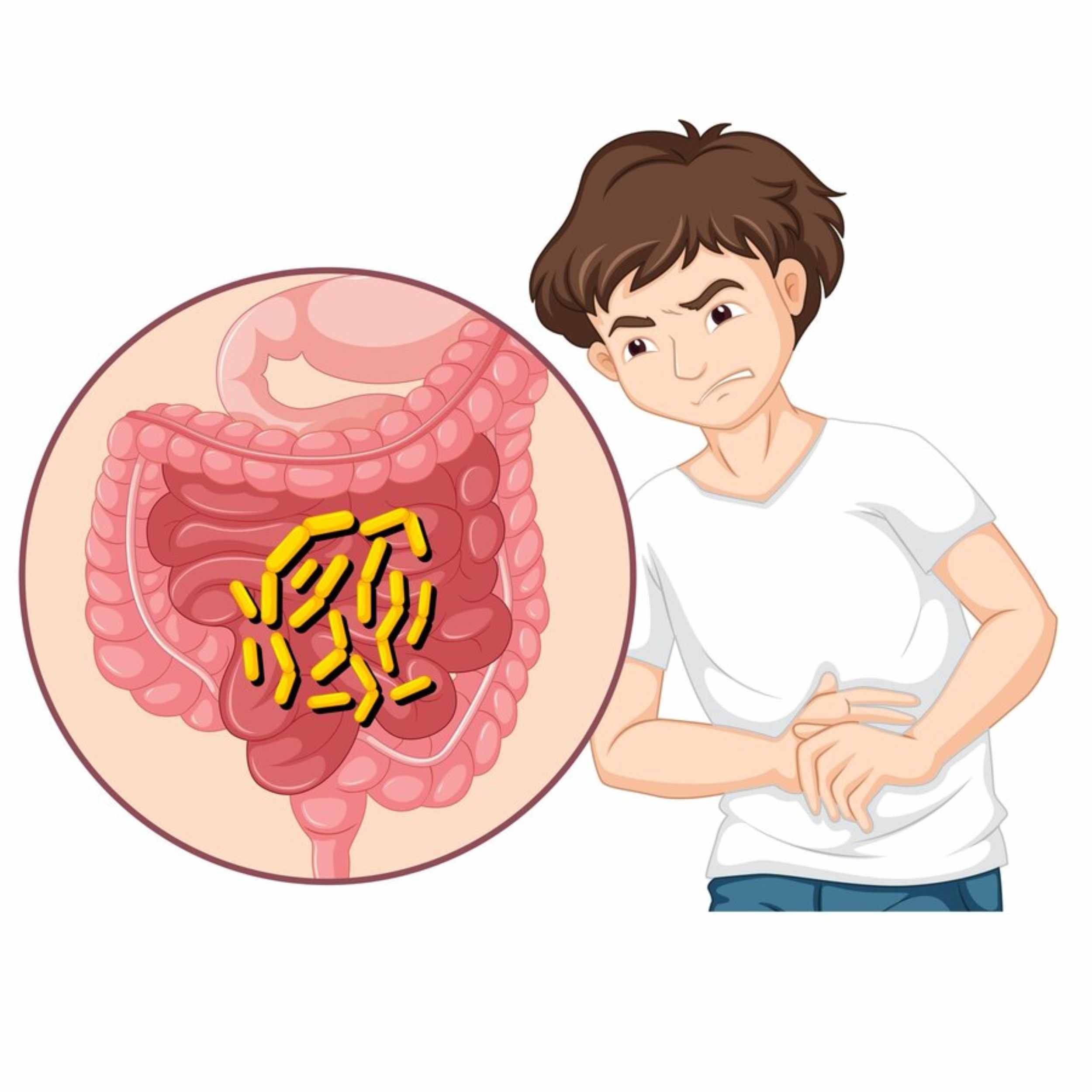
Amoebiasis, also known as amoebic dysentery, is an infection of the intestines caused by the parasite Entamoeba histolytica. It is a common disease in areas with poor sanitation and hygiene. Amoebiasis can range from mild diarrhea to severe colitis, and in some cases, may affect the liver and other organs.
Understanding Amoebiasis:
Amoebiasis occurs when a person consumes food or water contaminated with the cysts of Entamoeba histolytica. Once inside the intestines, the cysts transform into active forms (trophozoites), which invade the intestinal lining and may cause ulcers, inflammation, and symptoms of dysentery. In rare cases, the parasite can spread through the bloodstream to other organs, particularly the liver.
Causes & Symptoms:
Causes:
- Consuming contaminated food or water
- Poor sanitation and hygiene
- Person-to-person contact (e.g., via unwashed hands)

Symptoms :
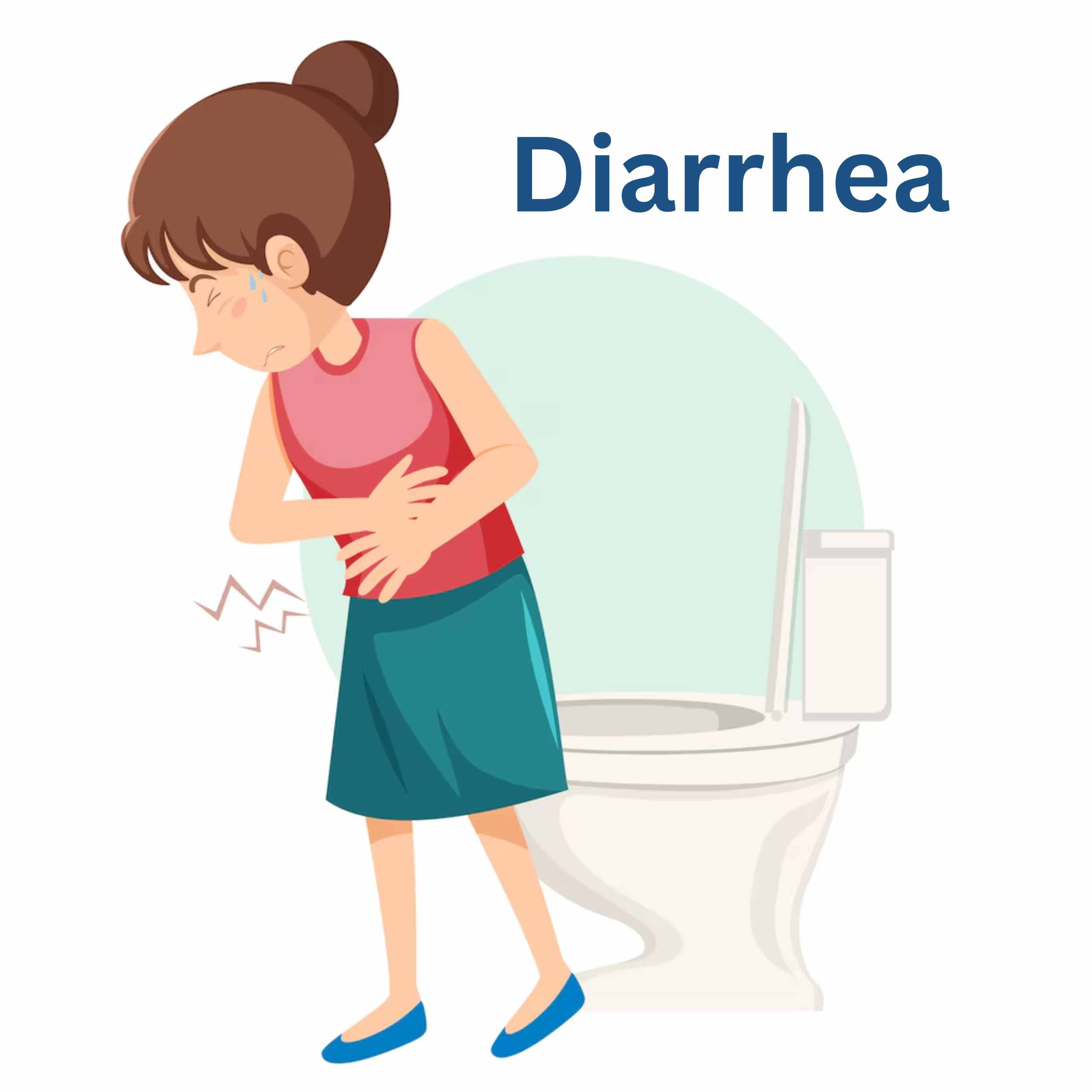
- Mild to severe diarrhea
- Abdominal pain or cramps
- Bloody or mucus-filled stools
- Fatigue and weakness
- Weight loss
- Fever (in case of liver involvement)
- Nausea or vomiting
Some individuals may be asymptomatic carriers, meaning they carry the parasite without showing symptoms, but can still spread the infection.
Risk Factors:
- Living in or traveling to areas with poor sanitation
- Consumption of untreated water
- Crowded living conditions (e.g., refugee camps, slums)
- Individuals with weakened immune systems
- Children and the elderly
- Male-to-male sexual contact (higher risk of intestinal parasite transmission)
Complications:
If left untreated, amoebiasis can lead to serious health issues such as:
- Amoebic liver abscess (collection of pus in the liver)
- Perforation of the colon (life-threatening)
- Peritonitis (infection of the abdominal cavity)
- Chronic diarrhea and malnutrition
- Abscess in lungs, brain, or other organs (rare)
Diagnosis :
Diagnosis of amoebiasis involves:
- Stool Examination: Microscopic analysis for cysts or trophozoites
- Stool Antigen Test or PCR: For better accuracy
- Blood Tests: To detect liver abscess or signs of inflammation
- Ultrasound or CT Scan: If liver involvement is suspected
- Sigmoidoscopy/Colonoscopy: In severe intestinal cases
Benefits of Homoeopathic Treatment
1. Individualised Care: Homoeopathy recognizes that each person is unique. A homoeopath will assess your symptoms, medical history, and lifestyle to prescribe a personalised treatment plan tailored to your needs.
2. Gentle and Natural: Homoeopathic remedies are derived from natural substances and are known for their minimal side effects. They work in harmony with the body, promoting self-healing and overall well-being.
3. Holistic Approach: Homoeopathy takes into account not only the physical symptoms but also the emotional and mental aspects of an individual. It aims to restore balance at all levels, providing comprehensive care.
4. Long-Term Relief: By addressing the underlying causes of Hyperacidity, homoeopathy strives to achieve long-term relief and improved quality of life.
Homoeopathy for Adenocarcinoma :
Role of Homeopathy:
Homeopathy treats amoebiasis by stimulating the body’s natural healing power and strengthening the immune system. It addresses not only the infection but also the tendency to get frequent gastrointestinal infections, thus reducing recurrence. Remedies are chosen based on the patient’s constitution, symptoms, mental state, and history.
Common Homeopathic Remedies:
- Aloe Socotrina: For diarrhea with urgency, mucus in stools, and weakness after passing stool.
- Mercurius Corrosivus: For severe dysentery with blood and tenesmus (constant urge to pass stool).
- Nux Vomica: For abdominal pain and diarrhea due to contaminated food, often with irritability.
- Arsenicum Album: For diarrhea with restlessness, exhaustion, and fear of death; especially from food poisoning.
- China Officinalis: For weakness and debility after frequent stools or blood loss.
- Colocynthis: For cramping abdominal pain relieved by bending forward or pressure.
Consulting a Homeopath:
If you are seeking homoeopathic treatment for Amoebiasis, it is essential to consult with a qualified and experienced homoeopath. At Sanjivani Homeopathy Clinic, our team of skilled homoeopaths will conduct a thorough evaluation, considering your symptoms, medical history, and individual characteristics to develop a personalised treatment plan.
Sanjivani Homeopathy Clinic USP
- No homoeopathy Dietary Restrictions:
Allows patients to enjoy foods like onion, garlic, and coffee, ensuring a stress-free treatment journey.
- 24/7 Online Consultations:
Enables convenient access to doctors with detailed counseling, history management, and follow-ups.
- Highly Skilled Team:
Experienced BHMS and MD doctors, supported by multilingual and professional staff.
- Patient-Centric Care:
Simplifies treatment with modern, adaptable solutions and clear communication.
Click Here for Detailed "Sanjivani USP"
FAQ's
- What is homoeopathy ?
Homoeopathy is a holistic science which belives in the law of Similia Similibus Curenter i.e Like Cures Like .It was discovered by Dr Samuel Christian Hahnemannn in 1796.
- Is there any side effects of homoeopathy?
As homoeopathic medicines are made from natural substances this medicines have no side effects and are completely safe to consume
- Is there any diet restriction to take homoeopathic medicines?
There are no diet restrictions for homoeopathic medicines. One should only avoid eating or drinking any liquid other than water at least 30 minutes before and after taking homoeopathic medicines.
Click Here for "Frequently Asked Questions."
Conclusion
Homoeopathic remedies offer a holistic and gentle approach to managing Amoebiasis by not only relieving acute symptoms like diarrhea, abdominal pain, and fatigue, but also addressing the root causes such as lowered immunity, poor digestion, and susceptibility to infections. By taking into account an individual’s unique constitution, lifestyle habits, and emotional triggers, homoeopathy works to stimulate the body’s innate healing power and restore balance within the gastrointestinal system.
Unlike conventional treatments that often rely on strong antibiotics with possible side effects or resistance, homoeopathy promotes long-term recovery without disturbing the gut flora. Sanjivani Homoeopathy provides a personalized, non-toxic alternative that not only supports recovery from current infection but also strengthens the body's defense mechanism against future recurrences. This safe and sustainable approach ensures improved digestive health, enhanced vitality, and overall well-being—making it an ideal complementary choice in the management of Amoebiasis.
Disclaimer : TThe information provided in this blog is for educational purposes only and should not be considered medical advice. Please consult with a qualified healthcare professional before starting any treatment for amoebiasis or any other medical condition.

