
Introduction
Adult-Onset Still’s Disease (AOSD) is a rare inflammatory disorder that affects adults, characterized by high fevers, joint pain, and a salmon-colored skin rash. It is considered a systemic autoinflammatory disease and shares similarities with juvenile Still’s disease, which occurs in children. The condition involves the overproduction of inflammatory cytokines, leading to widespread inflammation in the body. AOSD can range from mild to severe, with some cases becoming chronic and debilitating, affecting joints, internal organs, and overall health.
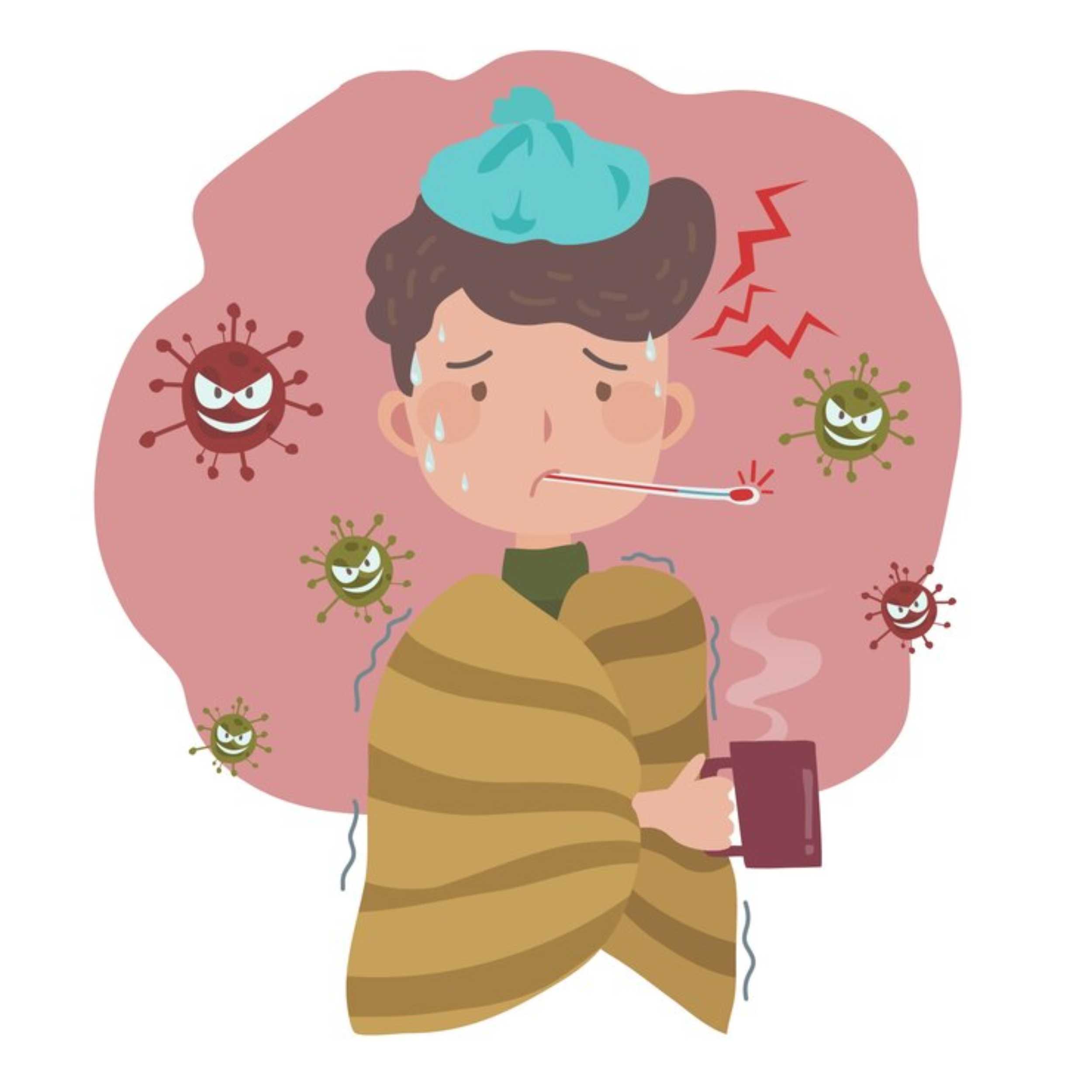
Understanding Adult-Onset Still’s Disease (AOSD):
AOSD is classified as a systemic autoinflammatory disease because it involves an overactive immune response without a known external trigger. The body’s immune system mistakenly attacks its own tissues, leading to recurrent fevers, arthritis, and inflammation in multiple organs. The exact cause remains unknown, but it is believed to be associated with genetic predisposition and abnormal immune system activity.
The disease progresses in three possible ways:
- Monophasic (one-time episode): Symptoms occur once and resolve completely.
- Intermittent (relapsing-remitting): Periodic flare-ups followed by symptom-free periods.
- Chronic (persistent disease): Continuous symptoms, particularly joint inflammation, leading to long-term damage.
Causes & Symptoms:
Causes:
The exact cause of AOSD is unknown, but factors that may contribute include:
- Dysregulated immune system – Overproduction of inflammatory proteins such as interleukin-1 (IL-1), interleukin-6 (IL-6), and tumor necrosis factor (TNF-alpha).
- Genetic predisposition – Certain individuals may be more prone due to genetic factors.
- Viral or bacterial infections – Some cases appear to be triggered by infections, but no specific pathogen has been confirmed.
Symptoms:
Symptoms of AOSD can vary but often include:
- High spiking fevers – Occurring once or twice a day, usually in the evening.
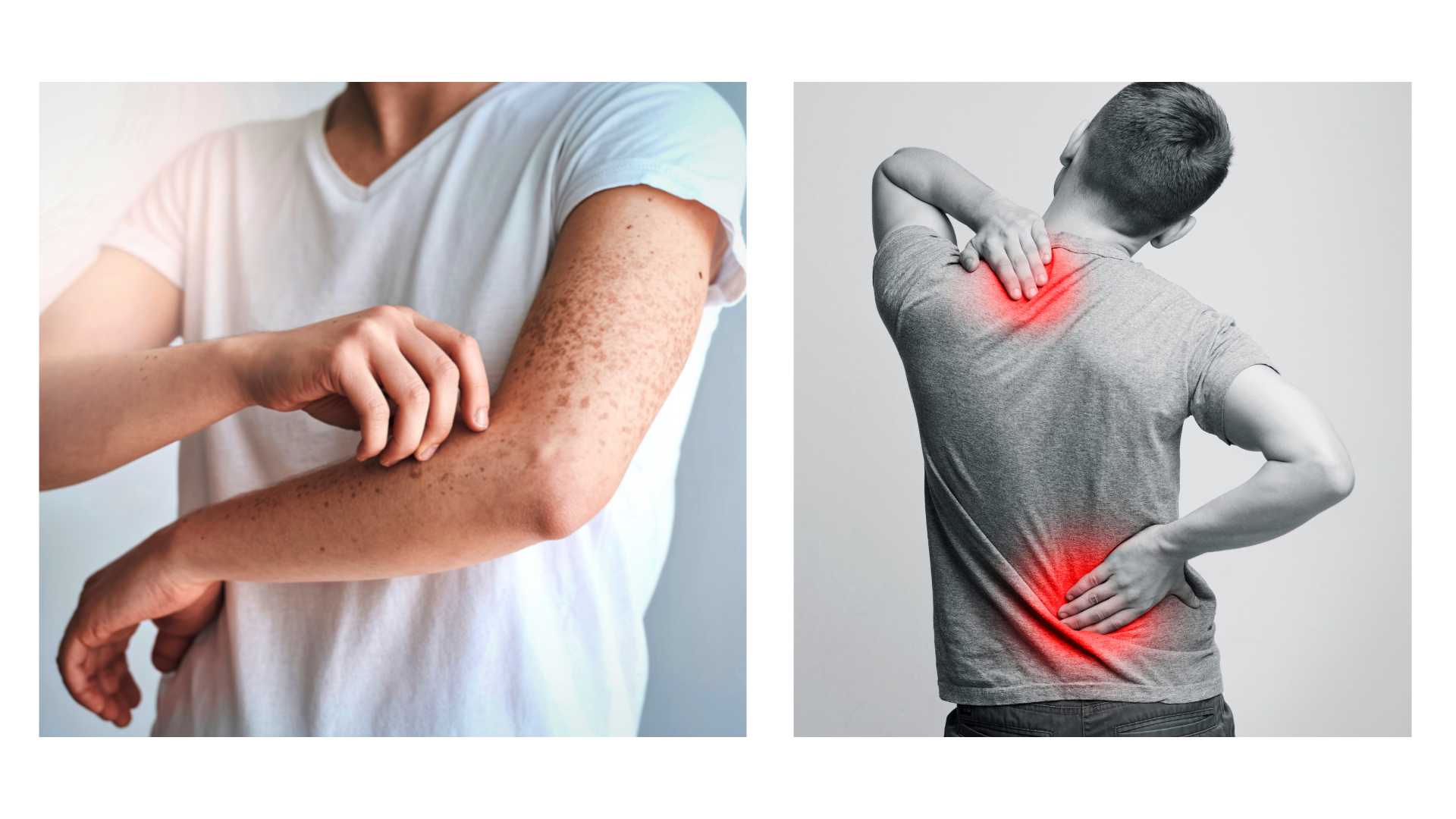
- Salmon-colored skin rash – Flat or slightly raised pink rashes, usually appearing on the chest, arms, and thighs, often during fever spikes.
- Joint pain and stiffness – Swelling and pain, primarily affecting the wrists, knees, and ankles.
- Muscle pain (myalgia) – Worsens with fever and inflammation.
- Sore throat – A common early symptom, often severe.
- Fatigue and weight loss – Due to prolonged inflammation.
- Enlarged liver, spleen, or lymph nodes – In some cases, inflammation affects these organs.
Risk Factors:
Although rare, certain factors may increase the risk of developing AOSD:
- Age: Most commonly occurs between 16-35 years but can appear later in adulthood.
- Gender: Slightly more common in women than men.
- Genetic predisposition: Although no specific gene is identified, family history of autoimmune diseases may increase susceptibility.
- Infections: Some cases appear to be triggered by viral or bacterial infections.
Complications:
If not managed properly, AOSD can lead to serious complications, including:
- Chronic arthritis – Persistent inflammation can cause joint destruction, leading to rheumatoid arthritis-like symptoms.
- Macrophage Activation Syndrome (MAS) – A life-threatening condition where the immune system becomes hyperactive, leading to organ failure, blood clotting abnormalities, and severe inflammation.
- Lung and heart involvement – Inflammation may lead to pleuritis (lung lining inflammation), pericarditis (heart lining inflammation), or interstitial lung disease.
- Liver and spleen enlargement – Chronic inflammation can affect these organs, leading to discomfort and impaired function.
- Anemia and blood disorders – Inflammation can lead to low red blood cell levels and other hematological complications.
Diagnosis :
AOSD can be challenging to diagnose due to its similarity to other inflammatory and autoimmune conditions. Diagnosis is clinical, meaning it is based on symptoms and exclusion of other diseases. Common diagnostic methods include:
Blood Tests:
- Elevated inflammatory markers – High C-reactive protein (CRP) and Erythrocyte Sedimentation Rate (ESR).
- Increased ferritin levels – Very high serum ferritin is a key indicator.
- Abnormal white blood cell count (leukocytosis) – Suggests immune system activation.
Imaging:
- X-rays or MRI of joints – To assess joint damage.
- Ultrasound/CT scan – To check for organ enlargement or inflammation.
Exclusion of Other Diseases:
- Rheumatoid arthritis (RA), lupus, and infections must be ruled out before confirming AOSD.
Benefits of Homoeopathic Treatment
1. Individualised Care: Homoeopathy recognizes that each person is unique. A homoeopath will assess your symptoms, medical history, and lifestyle to prescribe a personalised treatment plan tailored to your needs.
2. Gentle and Natural: Homoeopathic remedies are derived from natural substances and are known for their minimal side effects. They work in harmony with the body, promoting self-healing and overall well-being.
3. Holistic Approach: Homoeopathy takes into account not only the physical symptoms but also the emotional and mental aspects of an individual. It aims to restore balance at all levels, providing comprehensive care.
4. Long-Term Relief: By addressing the underlying causes of Hyperacidity, homoeopathy strives to achieve long-term relief and improved quality of life.
Homeopathy for Adult-Onset Still’s Disease (AOSD):
- Bryonia Alba – For severe joint pain and inflammation, worsened by movement.
- Rhus Toxicodendron – Best for stiff, painful joints that improve with movement.
- Ferrum Phosphoricum – Useful for high fever with weakness and body aches.
- Arsenicum Album – Helps with fatigue, restlessness, and recurrent infections.
- Belladonna – For high fevers with flushing and heat sensitivity.
- Kali Carb – Helps in lung involvement and breathing difficulties.
- Pulsatilla – Useful for hormonal imbalances and shifting joint pain.
Consulting a Homeopath
If you are seeking homoeopathic treatment for Adult-Onset Still’s Disease, it is essential to consult with a qualified and experienced homoeopath. At Sanjivani Homeopathy Clinic, our team of skilled homoeopaths will conduct a thorough evaluation, considering your symptoms, medical history, and individual characteristics to develop a personalised treatment plan.
Sanjivani Homeopathy Clinic USP
- No homoeopathy Dietary Restrictions:
Allows patients to enjoy foods like onion, garlic, and coffee, ensuring a stress-free treatment journey.
- 24/7 Online Consultations:
Enables convenient access to doctors with detailed counseling, history management, and follow-ups.
- Highly Skilled Team:
Experienced BHMS and MD doctors, supported by multilingual and professional staff.
- Patient-Centric Care:
Simplifies treatment with modern, adaptable solutions and clear communication.
Click Here for Detailed "Sanjivani USP"
FAQ's
- What is homoeopathy ?
Homoeopathy is a holistic science which belives in the law of Similia Similibus Curenter i.e Like Cures Like .It was discovered by Dr Samuel Christian Hahnemannn in 1796.
- Is there any side effects of homoeopathy?
As homoeopathic medicines are made from natural substances this medicines have no side effects and are completely safe to consume
- Is there any diet restriction to take homoeopathic medicines?
There are no diet restrictions for homoeopathic medicines. One should only avoid eating or drinking any liquid other than water at least 30 minutes before and after taking homoeopathic medicines.
Click Here for "Frequently Asked Questions."
Conclusion
Homeopathy provides a personalized and long-term approach to managing Adult-Onset Still’s Disease, focusing on balancing the immune system rather than just suppressing symptoms. Unlike conventional treatments, which rely on steroids and immunosuppressants with potential side effects, Sanjivani Homeopathy offers a safe, holistic, and individualized solution. By addressing the root cause of inflammation, homeopathy not only relieves pain and discomfort but also supports overall immune function, helping patients lead a better quality of life without harmful side effects.
Disclaimer : The information provided in this blog is for educational purposes only and should not be considered medical advice. Please consult with a qualified healthcare professional before starting any treatment for Adult-Onset Still’s Disease or any other medical condition.

