
Introduction
Autism, also called Autism Spectrum Disorder (ASD), is a developmental condition that affects how a person communicates, interacts with others, and perceives the world. It can appear in early childhood and continues throughout life. The symptoms and severity can vary widely from person to person.
Understanding Autism:
Autism is not a disease but a neurological difference in brain development. People with autism may have unique ways of learning, paying attention, and processing information. They might find social interaction challenging, prefer routines, and have specific interests or repetitive behaviours. Autism is called a “spectrum” because it affects each person differently — some may need significant support, while others live independently.
Causes & Symptoms:
Causes:
The exact cause of autism is unknown, but research suggests it results from a combination of:
- Genetic factors – Certain genetic changes may increase the likelihood of autism.
- Brain development differences – Changes in brain structure or function during early growth.
- Environmental influences – Factors before or during birth, such as exposure to toxins or complications during pregnancy.

Symptoms:
- Difficulty in social interaction (e.g., making eye contact, understanding social cues).
- Delayed or unusual speech and communication patterns.
- Repetitive behaviours (e.g., hand flapping, repeating phrases).
- Strong preference for routines and dislike of changes.
- Intense interest in specific topics or activities.
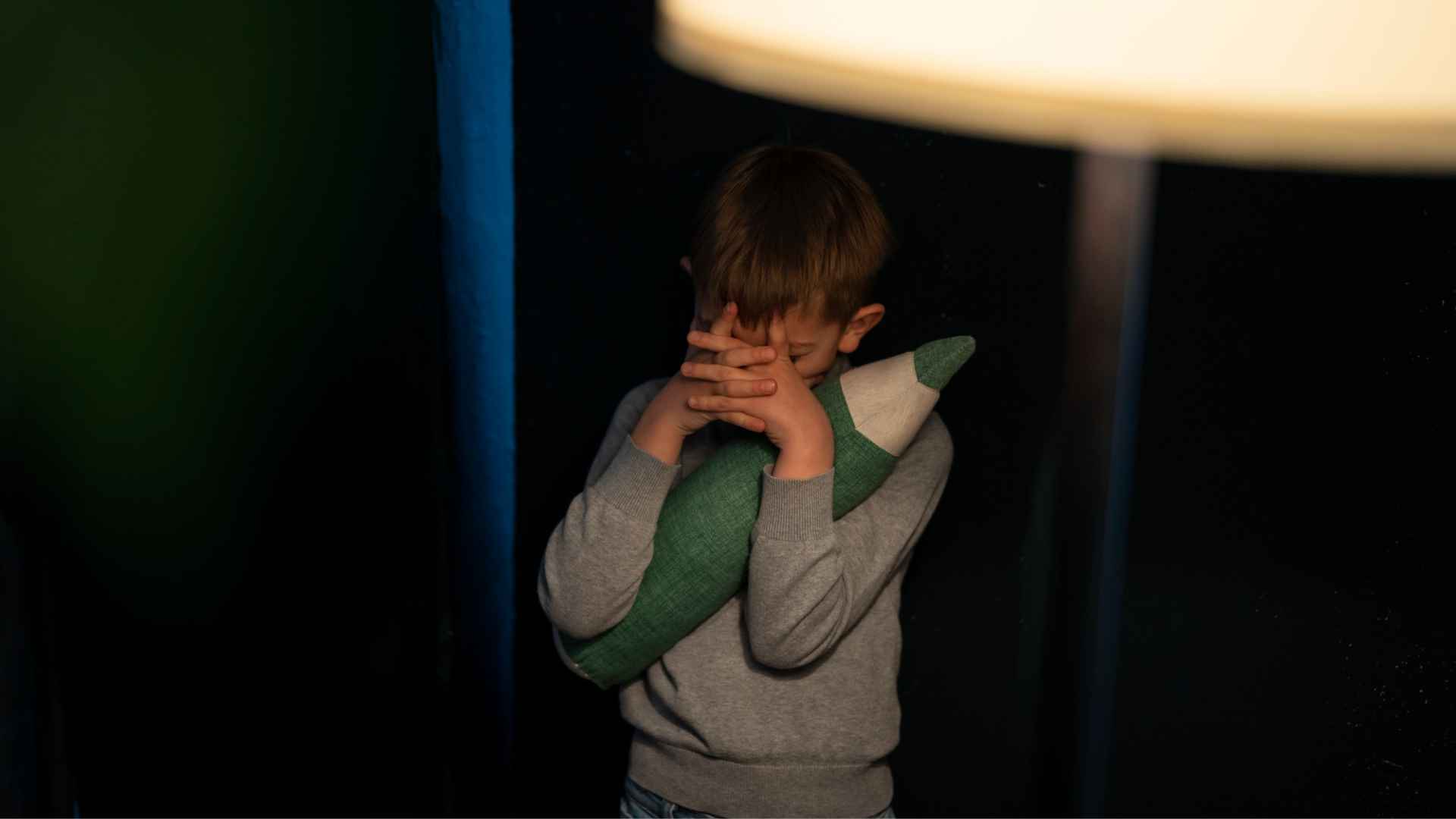
- Unusual responses to sensory input (e.g., sensitivity to light, sound, touch).
Risk Factors
- Family history of autism or other developmental disorders.
- Genetic conditions such as Fragile X syndrome or Rett syndrome.
- Premature birth or low birth weight.
- Older parental age during conception.
- Exposure to certain environmental factors during pregnancy (e.g., infections, toxins)
Complications:
If not supported early, autism can lead to:
- Social isolation and difficulty building relationships.
- Communication challenges affecting education and work opportunities.
- Increased risk of anxiety, depression, or other mental health issues.
- Difficulties in independent living for those with severe symptoms.
Diagnosis :
Diagnosis involves:
Autism is diagnosed based on behaviour and developmental history rather than a single medical test. Diagnosis usually involves:
- Developmental screening – Checking if the child is meeting age-appropriate milestones.
- Comprehensive evaluation – By specialists such as pediatricians, neurologists, or psychologists.
- Observation – Watching how the child communicates, plays, and interacts.
- Standardized tools – Questionnaires and rating scales like the Autism Diagnostic Observation Schedule (ADOS). Early diagnosis is important so that intervention and support can start as soon as possible.
Benefits of Homoeopathic Treatment
1. Individualised Care: Homoeopathy recognizes that each person is unique. A homoeopath will assess your symptoms, medical history, and lifestyle to prescribe a personalised treatment plan tailored to your needs.
2. Gentle and Natural: Homoeopathic remedies are derived from natural substances and are known for their minimal side effects. They work in harmony with the body, promoting self-healing and overall well-being.
3. Holistic Approach: Homoeopathy takes into account not only the physical symptoms but also the emotional and mental aspects of an individual. It aims to restore balance at all levels, providing comprehensive care.
4. Long-Term Relief: By addressing the underlying causes of Hyperacidity, homoeopathy strives to achieve long-term relief and improved quality of life.
Homeopathy for Ataxia :
Carcinosin
- For children with marked sensitivity to emotions, music, and environment.
- Often helpful in children with obsessive habits or perfectionism.
- Can help improve concentration and reduce repetitive behaviours.
Baryta Carbonica (Baryta carb)
- For children with delayed physical and mental development.
- Shy, fearful, avoids strangers, and finds it hard to mix socially.
- Helpful when speech is slow to develop.
Stramonium
- For children with extreme fear, anxiety, or aggressive outbursts.
- May have night terrors or a fear of darkness.
- Sudden mood changes and violent behaviour may be present.
Tuberculinum
- For restless, hyperactive children with constant desire for change.
- Helps when there is irritability, destructiveness, and dislike of restrictions.
Calcarea Carbonica (Calcarea carb)
- For slow, overweight, easily tired children.
- Shy, prefers familiar surroundings, dislikes change.
- Often has delayed milestones in walking or talking.
Natrum Muriaticum (Natrum mur)
- For children who are emotionally reserved, avoid showing feelings.
- May have good memory but dislike social interaction.
Sulphur
- For curious, imaginative children who ask endless questions.
- May be restless, untidy, and have difficulty following rules.
Tarentula Hispanica
- For extreme restlessness and impulsive behaviour.
- Often beneficial in children with destructive tendencies.
Consulting a Homeopath:
If you are seeking homoeopathic treatment for autism, it is essential to consult with a qualified and experienced homoeopath. At Sanjivani Homeopathy Clinic, our team of skilled homoeopaths will conduct a thorough evaluation, considering your symptoms, medical history, and individual characteristics to develop a personalised treatment plan.
Sanjivani Homeopathy Clinic USP
- No homoeopathy Dietary Restrictions:
Allows patients to enjoy foods like onion, garlic, and coffee, ensuring a stress-free treatment journey.
- 24/7 Online Consultations:
Enables convenient access to doctors with detailed counseling, history management, and follow-ups.
- Highly Skilled Team:
Experienced BHMS and MD doctors, supported by multilingual and professional staff.
- Patient-Centric Care:
Simplifies treatment with modern, adaptable solutions and clear communication.
Click Here for Detailed "Sanjivani USP"
FAQ's
- What is homoeopathy ?
Homoeopathy is a holistic science which belives in the law of Similia Similibus Curenter i.e Like Cures Like .It was discovered by Dr Samuel Christian Hahnemannn in 1796.
- Is there any side effects of homoeopathy?
As homoeopathic medicines are made from natural substances this medicines have no side effects and are completely safe to consume
- Is there any diet restriction to take homoeopathic medicines?
There are no diet restrictions for homoeopathic medicines. One should only avoid eating or drinking any liquid other than water at least 30 minutes before and after taking homoeopathic medicines.
Click Here for "Frequently Asked Questions."
Conclusion
Autism is a lifelong condition, but with early diagnosis, supportive therapies, and appropriate homeopathic treatment, children can improve their social, communication, and learning abilities. A combination of medical care, therapy, and family support helps them lead fulfilling lives. Homeopathy offers a safe, holistic approach that can complement other therapies and address the unique needs of each child.
Disclaimer: The information provided in this blog is for educational purposes only and should not be considered medical advice. Please consult with a qualified healthcare professional before starting any treatment for autism or any other medical condition.

