
Introduction
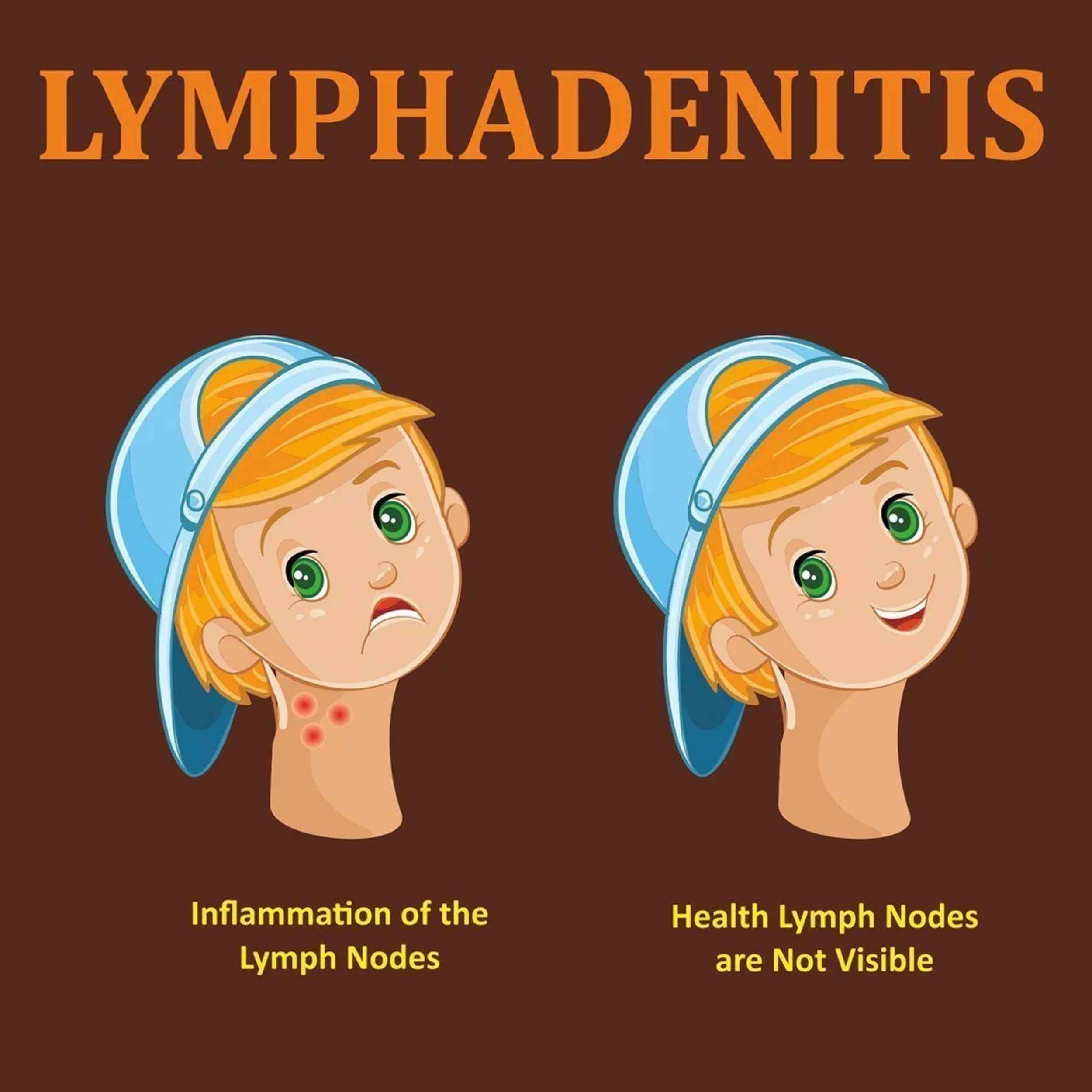
Cervical lymphadenitis is the inflammation or enlargement of the lymph nodes in the neck (cervical region). It is a common condition seen in both children and adults and usually indicates an underlying infection or, less commonly, other serious conditions.
Understanding Cervical Lymphadenitis:
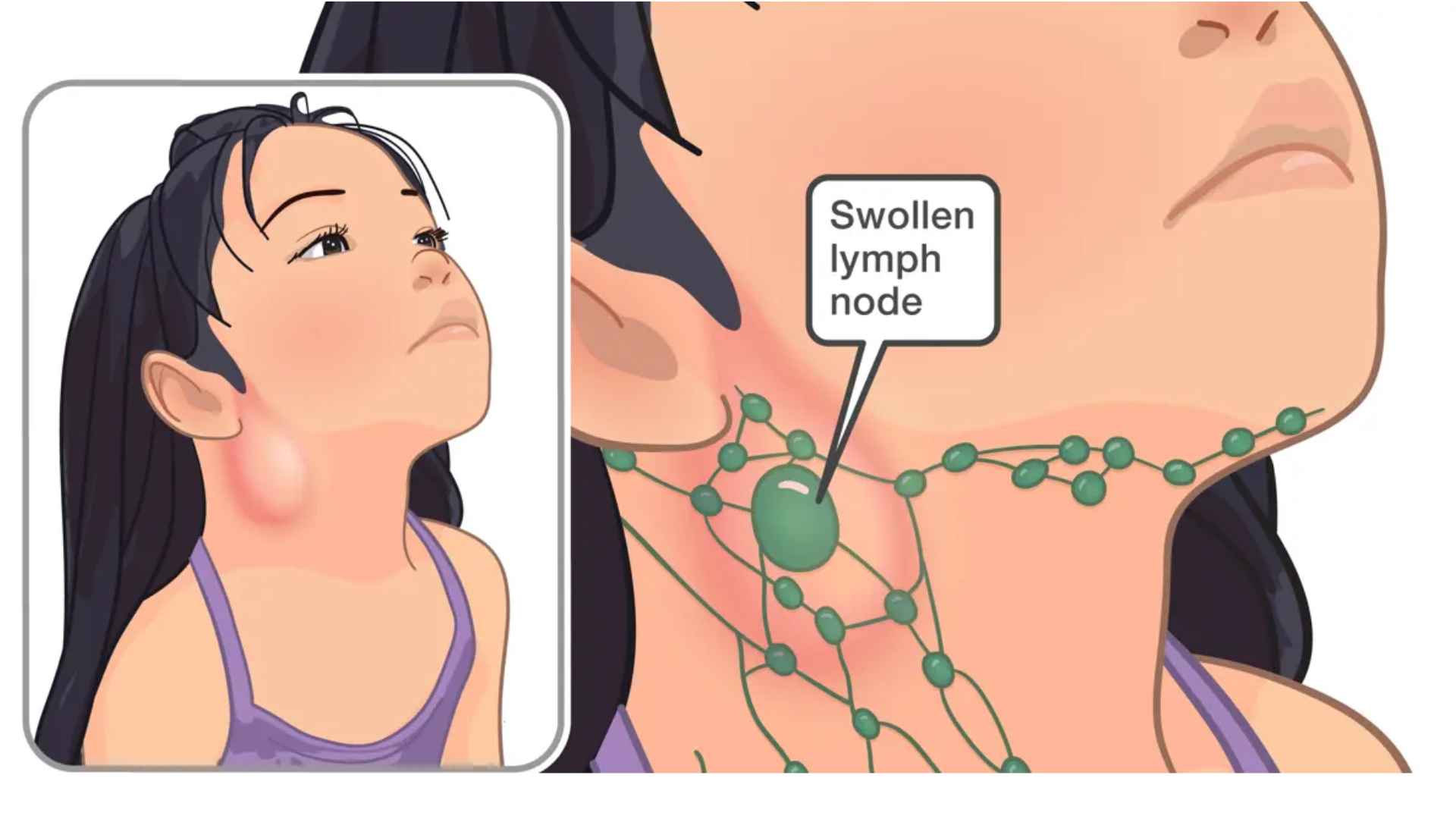
Lymph nodes are small, bean-shaped structures that form part of the body’s immune system. They filter lymph fluid and help fight infections. In cervical lymphadenitis, these lymph nodes become swollen, tender, and sometimes painful due to infection or other causes. The condition may be acute (sudden onset, short duration) or chronic (long-lasting, often linked with systemic disease).
Causes & Symptoms:
Causes:
- Bacterial infections – commonly Staphylococcus aureus, Streptococcus pyogenes
- Viral infections – common cold, influenza, infectious mononucleosis, HIV
- Mycobacterial infections – tuberculosis, atypical mycobacteria
- Other causes – dental infections, tonsillitis, ear infections, malignancy
Symptoms:
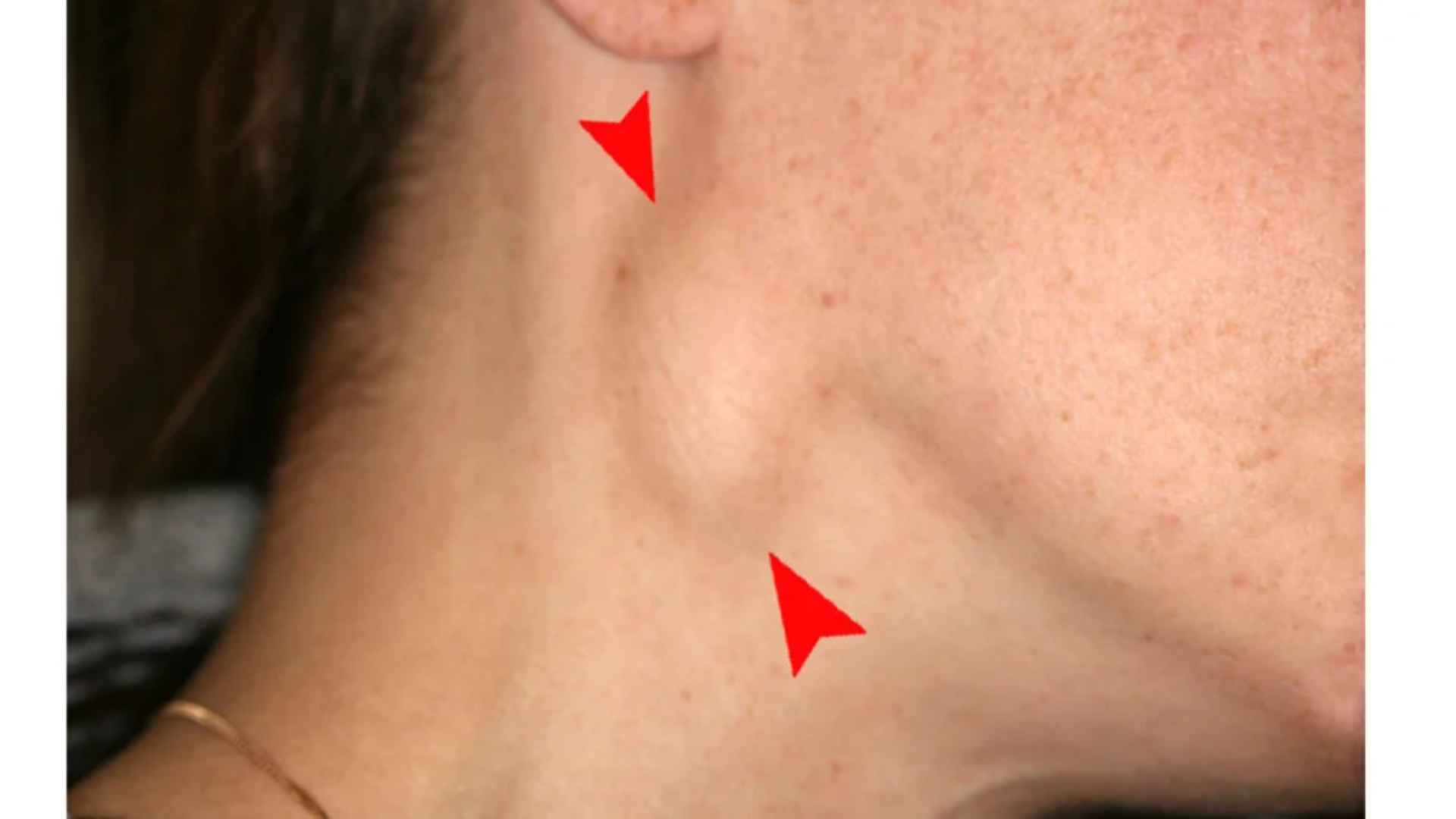
- Swelling of lymph nodes in the neck
- Pain or tenderness over the swollen area
- Redness or warmth over the skin in severe cases
- Fever, malaise, fatigue
- Difficulty in swallowing or neck movement (in severe infections)
- Chronic cases may present with slow, painless enlargement (e.g., tuberculosis lymphadenitis)
Risk Factors:
- Children and adolescents (more prone to infections)
- Recurrent throat or dental infections
- Weak immune system (HIV, diabetes, long-term steroid use)
- Exposure to tuberculosis
- Poor oral hygiene
- Living in crowded or unhygienic conditions
Complications:
- If untreated or poorly managed, cervical lymphadenitis can lead to:
- Abscess formation (pus collection in lymph nodes)
- Fistula formation (in TB lymphadenitis)
- Spread of infection to nearby tissues (cellulitis, septicemia)
- Chronic enlargement leading to cosmetic concerns
- Rarely, misdiagnosis of underlying malignancy if not investigated properly
Diagnosis :
Diagnosis involves:
- History & Clinical Examination – identifying recent infections, exposure, duration, tenderness
- Blood tests – CBC, ESR, CRP to detect infection and inflammation
- Throat swab or culture – if bacterial infection suspected
- Tuberculin skin test / Chest X-ray – in suspected TB
- Ultrasound / CT Scan – to assess size, location, and nature of lymph nodes
- Fine Needle Aspiration Cytology (FNAC) or Biopsy – in chronic or suspicious cases to rule out TB or malignancy
Benefits of Homoeopathic Treatment
1. Individualised Care: Homoeopathy recognizes that each person is unique. A homoeopath will assess your symptoms, medical history, and lifestyle to prescribe a personalised treatment plan tailored to your needs.
2. Gentle and Natural: Homoeopathic remedies are derived from natural substances and are known for their minimal side effects. They work in harmony with the body, promoting self-healing and overall well-being.
3. Holistic Approach: Homoeopathy takes into account not only the physical symptoms but also the emotional and mental aspects of an individual. It aims to restore balance at all levels, providing comprehensive care.
4. Long-Term Relief: By addressing the underlying causes of Hyperacidity, homoeopathy strives to achieve long-term relief and improved quality of life.
Homeopathy and Cervical Lymphadenitis :
Homoeopathy aims to treat cervical lymphadenitis by enhancing the body’s immunity, reducing inflammation, and addressing the underlying cause. Remedies are prescribed on the totality of symptoms and patient constitution. Commonly used remedies include:
- Baryta Carbonica – for enlarged, hard, painful lymph nodes in the neck, especially in children and the elderly.
- Belladonna – sudden, acute swelling with redness, heat, and high fever.
- Calcarea Carbonica – for chronic, hard, and swollen glands in chubby children with a tendency to catch colds.
- Mercurius Solubilis – painful, tender, suppurating lymph nodes with night sweats and offensive breath.
- Silicea – for chronic suppurating lymph nodes, recurrent abscess formation.
- Tuberculinum – when cervical lymphadenitis is due to tubercular tendency.
Consulting a Homeopath:
If you are seeking homoeopathic treatment for Cervical lymphadenitis, it is essential to consult with a qualified and experienced homoeopath. At Sanjivani Homeopathy Clinic, our team of skilled homoeopaths will conduct a thorough evaluation, considering your symptoms, medical history, and individual characteristics to develop a personalised treatment plan.
Sanjivani Homeopathy Clinic USP
- No homoeopathy Dietary Restrictions:
Allows patients to enjoy foods like onion, garlic, and coffee, ensuring a stress-free treatment journey.
- 24/7 Online Consultations:
Enables convenient access to doctors with detailed counseling, history management, and follow-ups.
- Highly Skilled Team:
Experienced BHMS and MD doctors, supported by multilingual and professional staff.
- Patient-Centric Care:
Simplifies treatment with modern, adaptable solutions and clear communication.
Click Here for Detailed "Sanjivani USP"
FAQ's
- What is homoeopathy ?
Homoeopathy is a holistic science which belives in the law of Similia Similibus Curenter i.e Like Cures Like .It was discovered by Dr Samuel Christian Hahnemannn in 1796.
- Is there any side effects of homoeopathy?
As homoeopathic medicines are made from natural substances this medicines have no side effects and are completely safe to consume
- Is there any diet restriction to take homoeopathic medicines?
There are no diet restrictions for homoeopathic medicines. One should only avoid eating or drinking any liquid other than water at least 30 minutes before and after taking homoeopathic medicines.
Click Here for "Frequently Asked Questions."
Conclusion
Cervical lymphadenitis is a fairly common condition that usually results from infections but can sometimes indicate more serious underlying diseases such as tuberculosis or malignancy. Early diagnosis and treatment are crucial to prevent complications. Homoeopathy offers a safe, gentle, and holistic approach, focusing on strengthening the immune system and treating the root cause of the disease.
Disclaimer: The information provided in this blog is for educational purposes only and should not be considered medical advice. Please consult with a qualified healthcare professional before starting any treatment for cervical lymphadenitis or any other medical condition.

