
Introduction
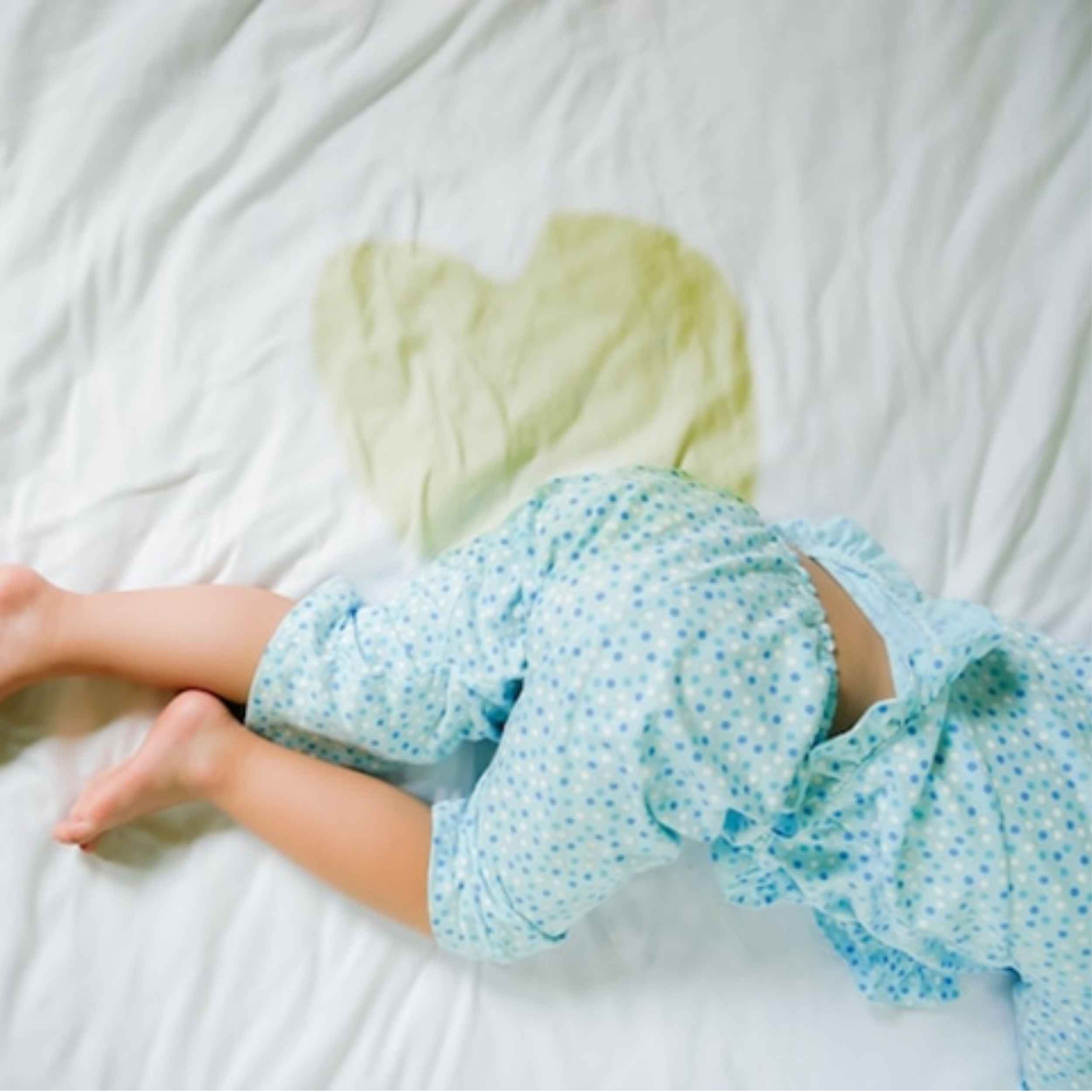
Bedwetting, also known as nocturnal enuresis, is the involuntary passage of urine during sleep, especially at night. It commonly occurs due to reduced bladder control or certain underlying medical conditions. This condition is most often seen between the ages of 4–6 years.Though not a serious problem, bedwetting can be distressing for children and their families, leading to embarrassment and low self-esteem. In most cases, it resolves with time or with appropriate treatment.
Understanding Bedwetting:
Types
- Primary Enuresis – when a child has never remained dry at night for six months in a row or longer.
- Secondary Enuresis – when a child starts bedwetting again after staying dry for at least six months.
Causes & Symptoms:
Causes:
- Developmental delay – Some children take longer to develop bladder control.
- Genetics – Bedwetting often runs in families.
- Small bladder capacity – A smaller bladder may cause frequent urination.
- Hormonal imbalance – Low levels of ADH (anti-diuretic hormone) can cause excessive urine production at night.
- Deep sleep – Some children sleep so deeply that they do not wake up to urinate.
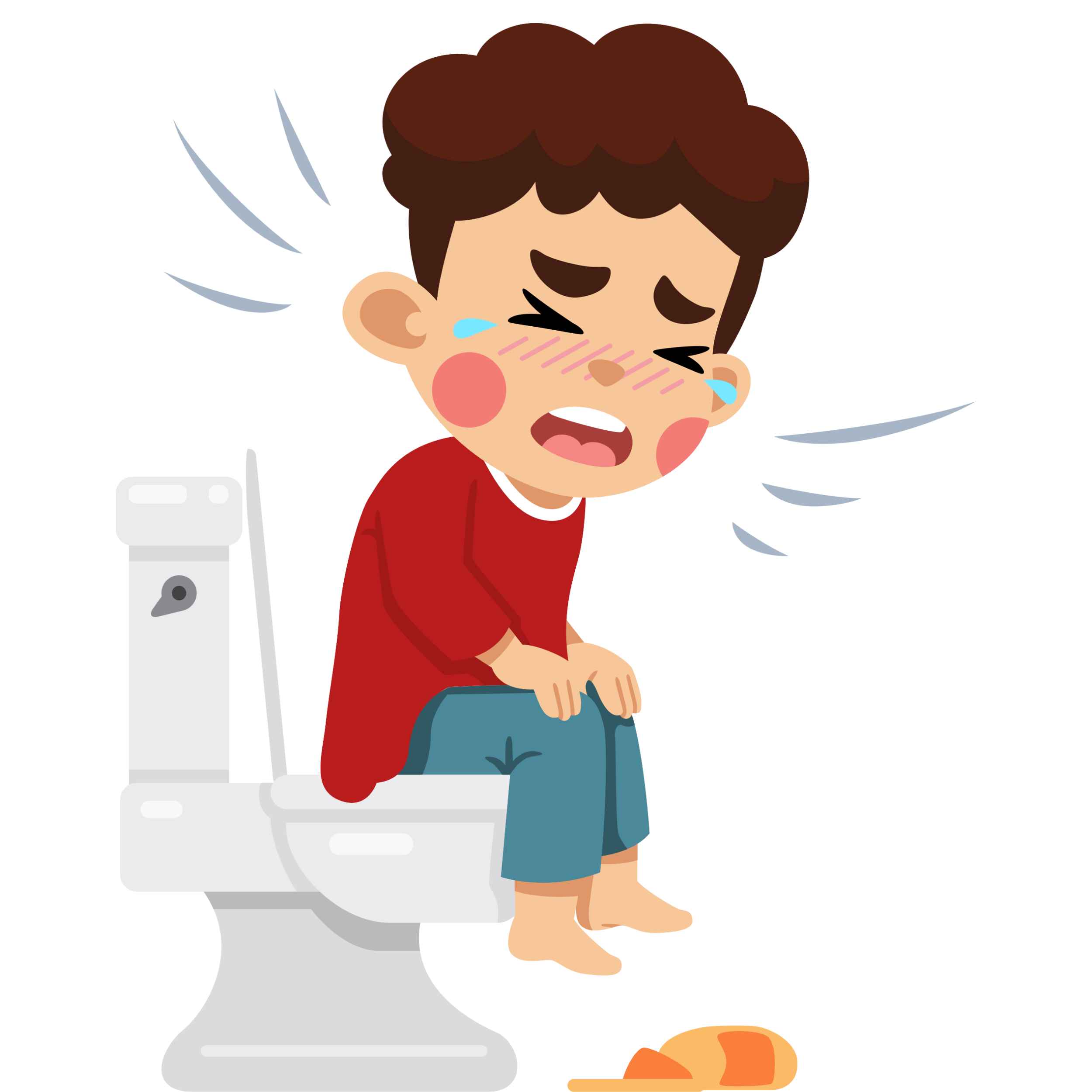
- Urinary Tract Infection (UTI) – Can irritate the bladder and lead to bedwetting.
- Constipation – A full rectum can put pressure on the bladder.
- Psychological factors – Stress or emotional disturbances may contribute.
Symptoms:
- Wet bed during sleep
- Usually painless urination
- Normal daytime urination (primary cases)
- Frequent nighttime episodes
- Deep sleeper
- Difficulty waking
- Embarrassment
- Low confidence
- Avoids sleepovers
- Anxiety
- Emotional distress
Risk Factors:
- Several factors increase the likelihood of bed wetting:
- Positive family history
- Male gender
- Delayed developmental milestones
- Constipation
- ADHD
- Sleep disorders
- Emotional stress
- Urinary tract infection
- Diabetes
- Obesity
- Obstructive sleep apnea
- Low functional bladder capacity
- Excessive evening fluid intake
- Caffeine-containing beverages
- Neurological disorders
Complications:
Although bed wetting itself is not physically harmful, persistent untreated cases may lead to:
Emotional Problems
- Low self-esteem
- Shame
- Embarrassment
- Anxiety
- Depression
Social Problems
- Avoidance of school trips
- Refusal to stay overnight with friends
- Reduced social confidence
- Family Stress
- Parent-child conflicts
- Frustration
- Sleep disturbance for caregivers
Skin Problems
- Repeated wetness may cause:
- Skin irritation
- Diaper rash
- Fungal infection
Diagnosis :
Diagnosis involves:
Diagnosis mainly depends on a careful clinical evaluation.
1. Detailed Medical History
The doctor asks about:
- Age of onset
- Frequency of bed wetting
- Dry periods
- Daytime urinary symptoms
- Fluid intake
- Constipation
- Family history
- Sleep pattern
- Emotional stress
- Previous urinary infections
2. Physical Examination
Includes:
- Growth assessment
- Blood pressure
- Abdominal examination
- Examination of the spine
- Neurological examination
- External genital examination
3. Bladder Diary
Parents may record for 2–3 days:
- Fluid intake
- Urination frequency
- Urine volume
- Bed wetting episodes
4. Urine Examination
Urinalysis helps detect:
- Infection
- Glucose (diabetes)
- Protein
- Blood
5. Blood Tests (when indicated)
May include:
- Blood sugar
- Kidney function tests
- Electrolytes
6. Ultrasound
Performed if structural abnormalities are suspected.
Prevention Tips:
- Limit fluids before bedtime – Avoid giving your child drinks at least 2 hours before sleep.
- Empty the bladder before bed – Ensure your child uses the toilet before sleeping.
- Use an alarm – Setting a night-time alarm can help wake the child to urinate.
- Provide emotional support – Avoid scolding, shaming, or making fun of the child.
Benefits of Homoeopathic Treatment
1. Individualised Care: Homoeopathy recognizes that each person is unique. A homoeopath will assess your symptoms, medical history, and lifestyle to prescribe a personalised treatment plan tailored to your needs.
2. Gentle and Natural: Homoeopathic remedies are derived from natural substances and are known for their minimal side effects. They work in harmony with the body, promoting self-healing and overall well-being.
3. Holistic Approach: Homoeopathy takes into account not only the physical symptoms but also the emotional and mental aspects of an individual. It aims to restore balance at all levels, providing comprehensive care.
4. Long-Term Relief: By addressing the underlying causes of Hyperacidity, homoeopathy strives to achieve long-term relief and improved quality of life.
Homeopathy and Bedwetting :
Equisetum
- Incontinence of urine in children with dreams or nightmares.
- Involuntary urination in elderly women, sometimes with involuntary stools.
- Mucus present in urine.
Causticum
- Involuntary urination during the first sleep at night.
- Urine leaks due to slightest excitement, coughing, or sneezing.
- Loss of sensation while passing urine.
Kreosote
- Urine smells offensive.
- The patient dreams of urinating, leading to bedwetting.
- Involuntary urination during the first sleep.
- Sudden urgency to pass urine.
Cina
- Suited for irritable children with worm infestations.
- Passes urine involuntarily at night.
- Desires many things but refuses them when offered.
Sepia
- Suited to patients indifferent towards loved ones.
- Involuntary urination during the first sleep.
- Bearing-down sensation while passing urine.
Consulting a Homeopath:
Consulting a professional Sanjivani homoeopath is essential for an accurate diagnosis and personalised treatment plan. Sanjivani Homoeopaths take a holistic approach, considering the patient's overall health, lifestyle, and specific asthma triggers. They select remedies based on individual symptoms and constitutional types, aiming to provide long-term relief.
Sanjivani Homeopathy Clinic USP
- No homoeopathy Dietary Restrictions:
Allows patients to enjoy foods like onion, garlic, and coffee, ensuring a stress-free treatment journey.
- 24/7 Online Consultations:
Enables convenient access to doctors with detailed counseling, history management, and follow-ups.
- Highly Skilled Team:
Experienced BHMS and MD doctors, supported by multilingual and professional staff.
- Patient-Centric Care:
Simplifies treatment with modern, adaptable solutions and clear communication.
Click Here for Detailed "Sanjivani USP"
FAQ's
- What is homoeopathy ?
Homoeopathy is a holistic science which belives in the law of Similia Similibus Curenter i.e Like Cures Like .It was discovered by Dr Samuel Christian Hahnemannn in 1796.
- Is there any side effects of homoeopathy?
As homoeopathic medicines are made from natural substances this medicines have no side effects and are completely safe to consume
- Is there any diet restriction to take homoeopathic medicines?
There are no diet restrictions for homoeopathic medicines. One should only avoid eating or drinking any liquid other than water at least 30 minutes before and after taking homoeopathic medicines.
Click Here for "Frequently Asked Questions."
Conclusion
Homoeopathy aims at treating the root cause of bedwetting. Whether it is due to developmental delays, poor bladder control, constipation, or urinary tract infections, individualized homoeopathic treatment can provide lasting relief. At Sanjivani Homoeopathic Clinic, we offer personalized care through detailed case-taking, lifestyle guidance, and counselling. With our holistic approach, we help children overcome bedwetting and regain confidence ensuring a permanent cure.
Disclaimer: The information provided in this blog is for educational purposes only and should not be considered medical advice. Please consult with a qualified healthcare professional before starting any treatment for bedwetting or any other medical condition.

