
Introduction
Acquired perforative dermatitis (APD) is a rare skin disorder characterized by the elimination of dermal material through the epidermis. It primarily affects individuals with chronic systemic conditions such as diabetes mellitus and chronic kidney disease (CKD). APD falls under the group of perforating dermatoses and can significantly impact a patient’s quality of life due to its persistent skin lesions and associated itching.
Understanding Acquired Perforative Dermatitis:
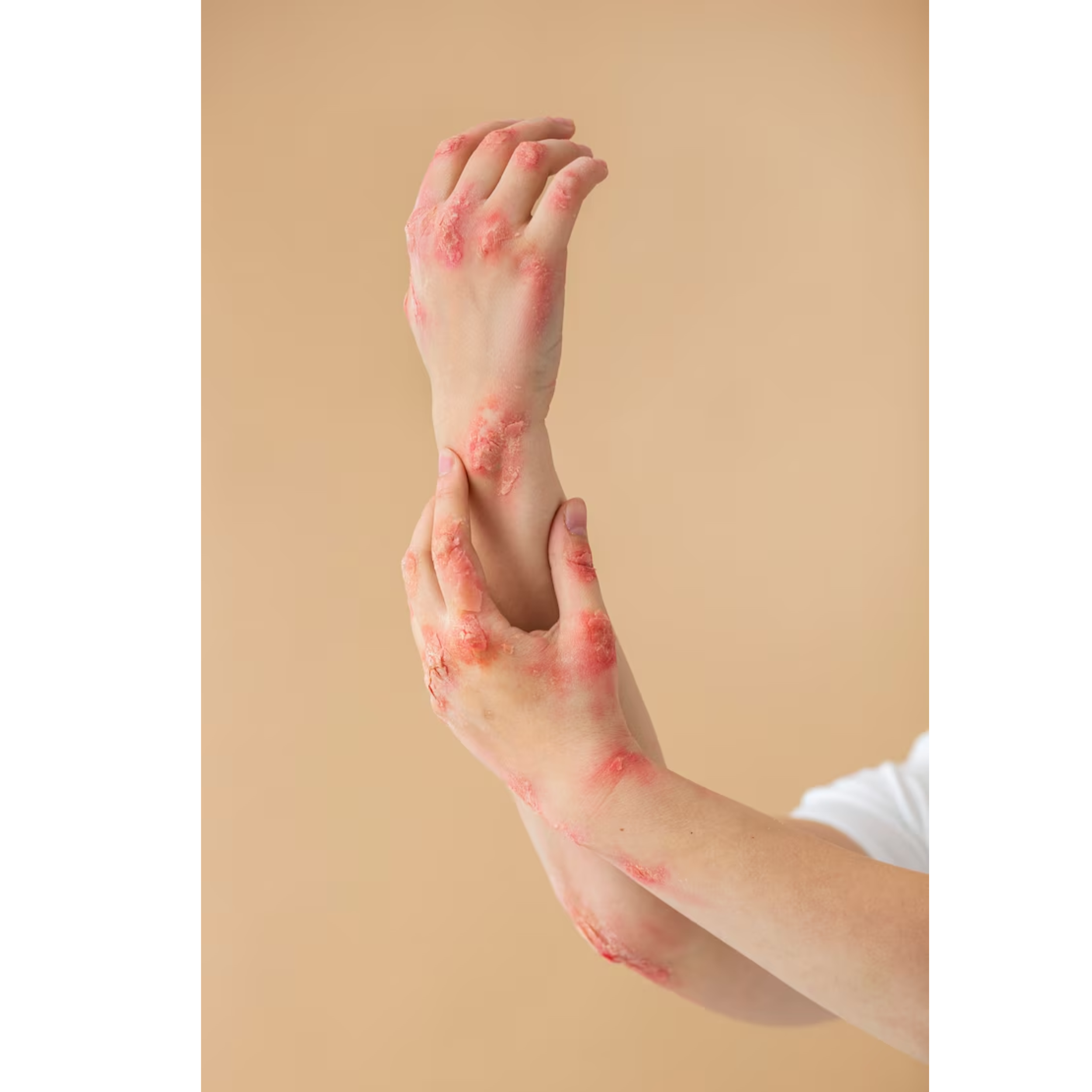
Acquired perforative dermatitis is part of the broader category of perforating disorders, where dermal connective tissue components are extruded through the epidermis. Unlike hereditary perforating dermatoses, APD develops later in life and is typically associated with underlying systemic diseases. It manifests as pruritic papules, nodules, or plaques with a central keratotic core, primarily on the extensor surfaces of the body.
Causes & Symptoms:
The exact cause of APD remains unclear, but it is strongly associated with chronic medical conditions like diabetes and CKD. Other contributing factors include microtrauma, altered wound healing, and immune dysregulation.
Common symptoms include:
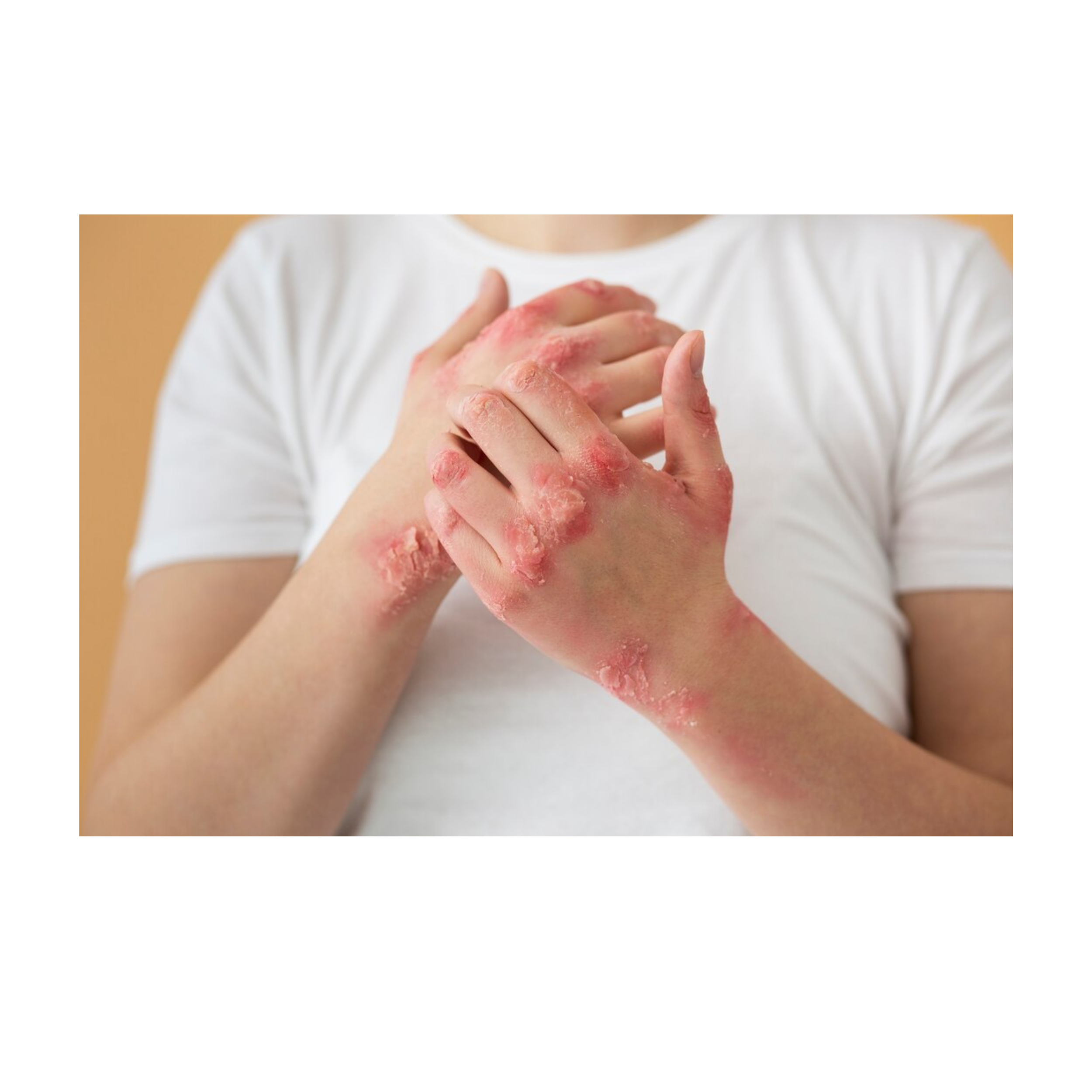
- Pruritic papules or nodules with central keratotic plugs
- Lesions predominantly on the upper and lower extremities
- Chronic and recurrent eruptions
- Skin thickening due to repeated scratching and trauma
Risk Factors:
Several factors increase the likelihood of developing APD, including:
- Chronic systemic diseases (diabetes mellitus, CKD, liver disease)
- Undergoing dialysis treatment
- Poor glycemic control in diabetic patients
- Repeated skin trauma and irritation
- Advanced age

Complications:
If left untreated or improperly managed, APD can lead to:
- Secondary bacterial infections due to repeated scratching
- Extensive skin damage and scarring
- Increased psychological distress and reduced quality of life
- Delayed wound healing, especially in diabetics
Diagnosis :
Diagnosing APD involves a combination of clinical evaluation and histopathological examination. Key diagnostic methods include:
- Clinical examination: Identification of characteristic lesions
- Skin biopsy: Presence of transepidermal elimination of dermal components
- Blood tests: Evaluation of underlying systemic conditions like diabetes and renal function.
Benefits of Homoeopathic Treatment
1. Individualised Care: Homoeopathy recognizes that each person is unique. A homoeopath will assess your symptoms, medical history, and lifestyle to prescribe a personalised treatment plan tailored to your needs.
2. Gentle and Natural: Homoeopathic remedies are derived from natural substances and are known for their minimal side effects. They work in harmony with the body, promoting self-healing and overall well-being.
3. Holistic Approach: Homoeopathy takes into account not only the physical symptoms but also the emotional and mental aspects of an individual. It aims to restore balance at all levels, providing comprehensive care.
4. Long-Term Relief: By addressing the underlying causes of Hyperacidity, homoeopathy strives to achieve long-term relief and improved quality of life.
Homeopathy for & Acquired Perforative Dermatitis:
Homeopathy offers a holistic approach to managing APD by addressing underlying systemic imbalances and improving skin health. Some effective homeopathic remedies include:
Graphites: Useful for thickened, dry, cracked skin with intense itching.
Sulphur: Helps in relieving burning, itching, and recurrent eruptions.
Arsenicum Album: Beneficial for ulcerative skin conditions with burning pain.
Silicea: Aids in expelling toxins and improving skin healing.
Thuja Occidentalis: Effective in managing chronic skin disorders and improving immunity.
Consulting a Homeopath
If you are seeking homoeopathic treatment for Acquired perforative dermatitis, it is essential to consult with a qualified and experienced homoeopath. At Sanjivani Homeopathy Clinic, our team of skilled homoeopaths will conduct a thorough evaluation, considering your symptoms, medical history, and individual characteristics to develop a personalised treatment plan.
Sanjivani Homeopathy Clinic USP
- No homoeopathy Dietary Restrictions:
Allows patients to enjoy foods like onion, garlic, and coffee, ensuring a stress-free treatment journey.
- 24/7 Online Consultations:
Enables convenient access to doctors with detailed counseling, history management, and follow-ups.
- Highly Skilled Team:
Experienced BHMS and MD doctors, supported by multilingual and professional staff.
- Patient-Centric Care:
Simplifies treatment with modern, adaptable solutions and clear communication.
Click Here for Detailed "Sanjivani USP"
FAQ's
- What is homoeopathy ?
Homoeopathy is a holistic science which belives in the law of Similia Similibus Curenter i.e Like Cures Like .It was discovered by Dr Samuel Christian Hahnemannn in 1796.
- Is there any side effects of homoeopathy?
As homoeopathic medicines are made from natural substances this medicines have no side effects and are completely safe to consume
- Is there any diet restriction to take homoeopathic medicines?
There are no diet restrictions for homoeopathic medicines. One should only avoid eating or drinking any liquid other than water at least 30 minutes before and after taking homoeopathic medicines.
Click Here for "Frequently Asked Questions."
Conclusion
Homoeopathic remedies provide a holistic approach to managing acquired perforative dermatitis by addressing not only the external symptoms but also the underlying imbalances contributing to the condition. By considering an individual’s overall constitution, immune response, and lifestyle factors, homoeopathy aims to stimulate the body's natural healing mechanisms, promoting skin regeneration and overall well-being. Unlike conventional treatments, which often focus on symptomatic relief, homoeopathy seeks to enhance the body's resilience and restore long-term skin health. Sanjivani homoeopathy offers a valuable complementary option for managing acquired perforative dermatitis, helping to reduce discomfort, support tissue repair, and improve skin integrity—all without the risks of aggressive interventions. This personalized and gentle approach fosters sustainable healing and enhances overall quality of life.
Disclaimer : The information provided in this blog is for educational purposes only and should not be considered medical advice. Please consult with a qualified healthcare professional before starting any treatment for acquired perforative dermatitis or any other medical condition.

