
Introduction
Cervical cancer is a type of cancer that develops in the cells of the cervix, the lower part of the uterus that connects to the vagina. It is one of the most common cancers among women worldwide but can often be prevented or treated successfully when detected early. Regular screening and vaccination against human papillomavirus (HPV) have significantly reduced its incidence.
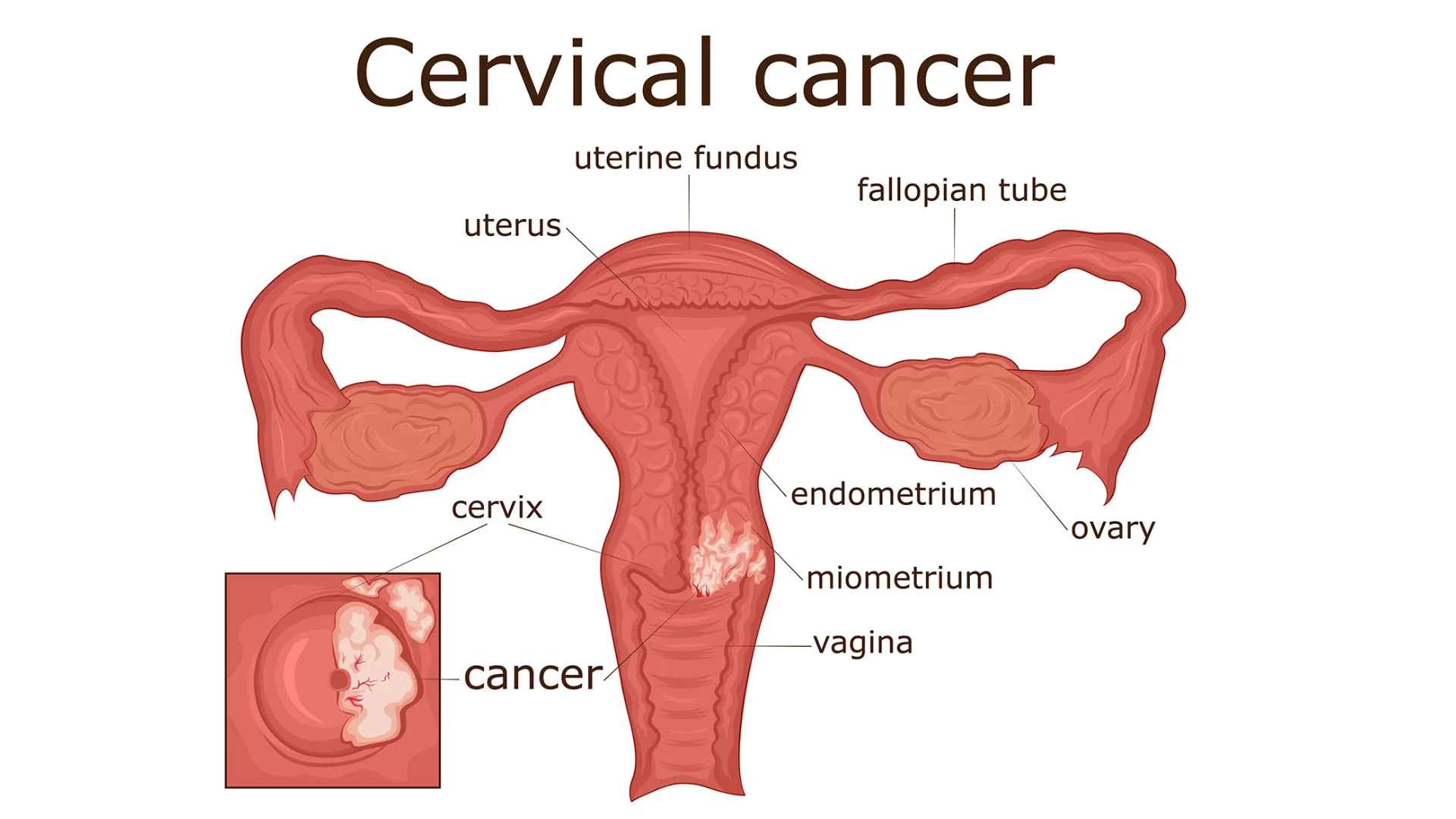
Understanding Cervical cance:
The cervix is covered by two types of cells—squamous cells (outer part) and glandular cells (inner part). Abnormal growth or mutations in these cells can lead to precancerous changes, known as cervical intraepithelial neoplasia (CIN), which may progress into cervical cancer if untreated. Most cases are linked to persistent infection with high-risk strains of HPV.
Types of Cervical Cancer
- Squamous Cell Carcinoma - The most common type, arising from squamous cells of the cervix’s outer lining.
- Adenocarcinoma - Originates from the glandular cells in the cervical canal.
- Mixed Type (Adenosquamous Carcinoma) - Contains both squamous and glandular cancerous cells.
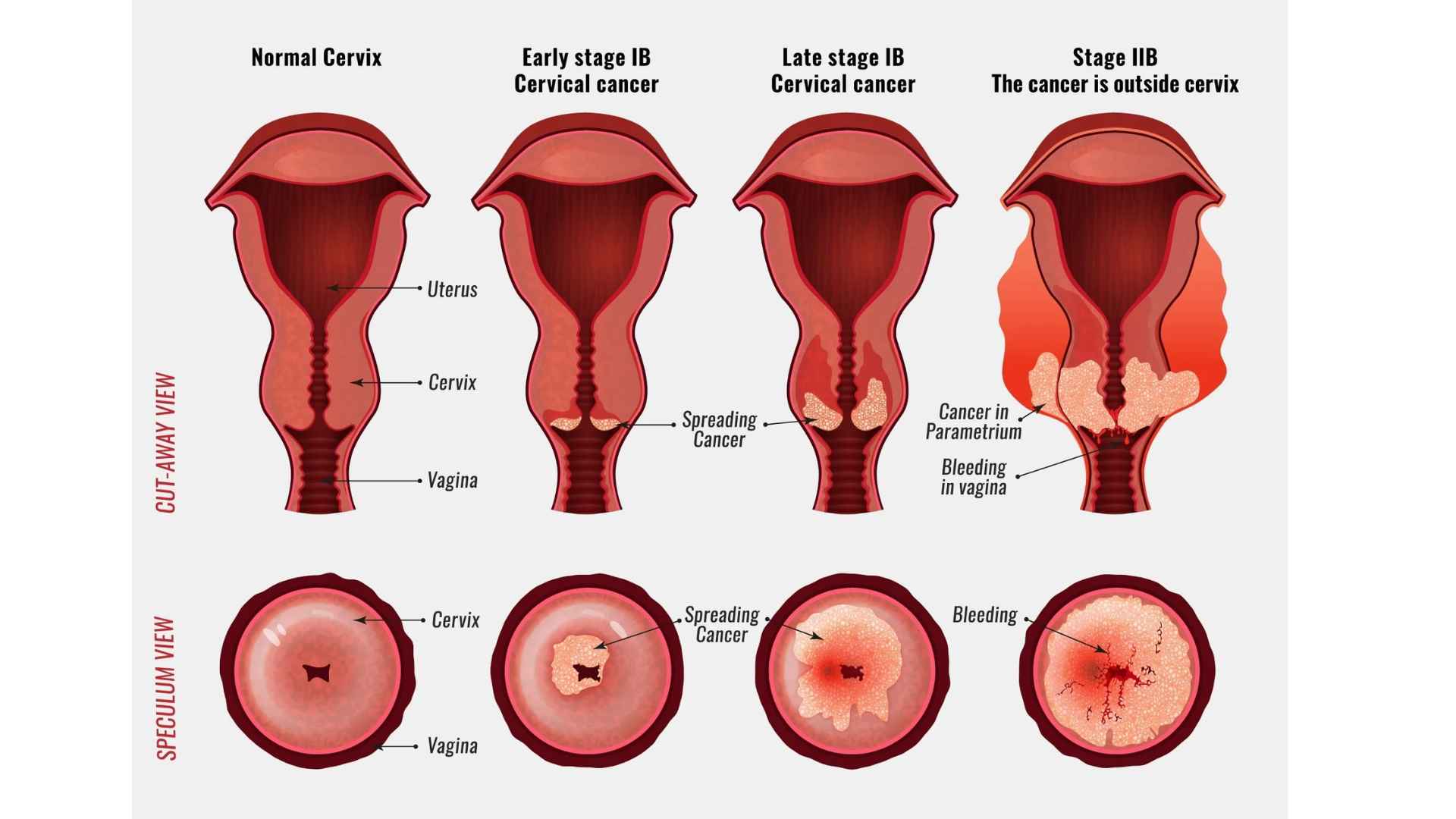
Causes & Symptoms:
Causes:
- Persistent HPV infection (main risk factor)
- Weakened immune system
- Smoking
- Multiple sexual partners
- Early sexual activity
- Long-term use of oral contraceptives
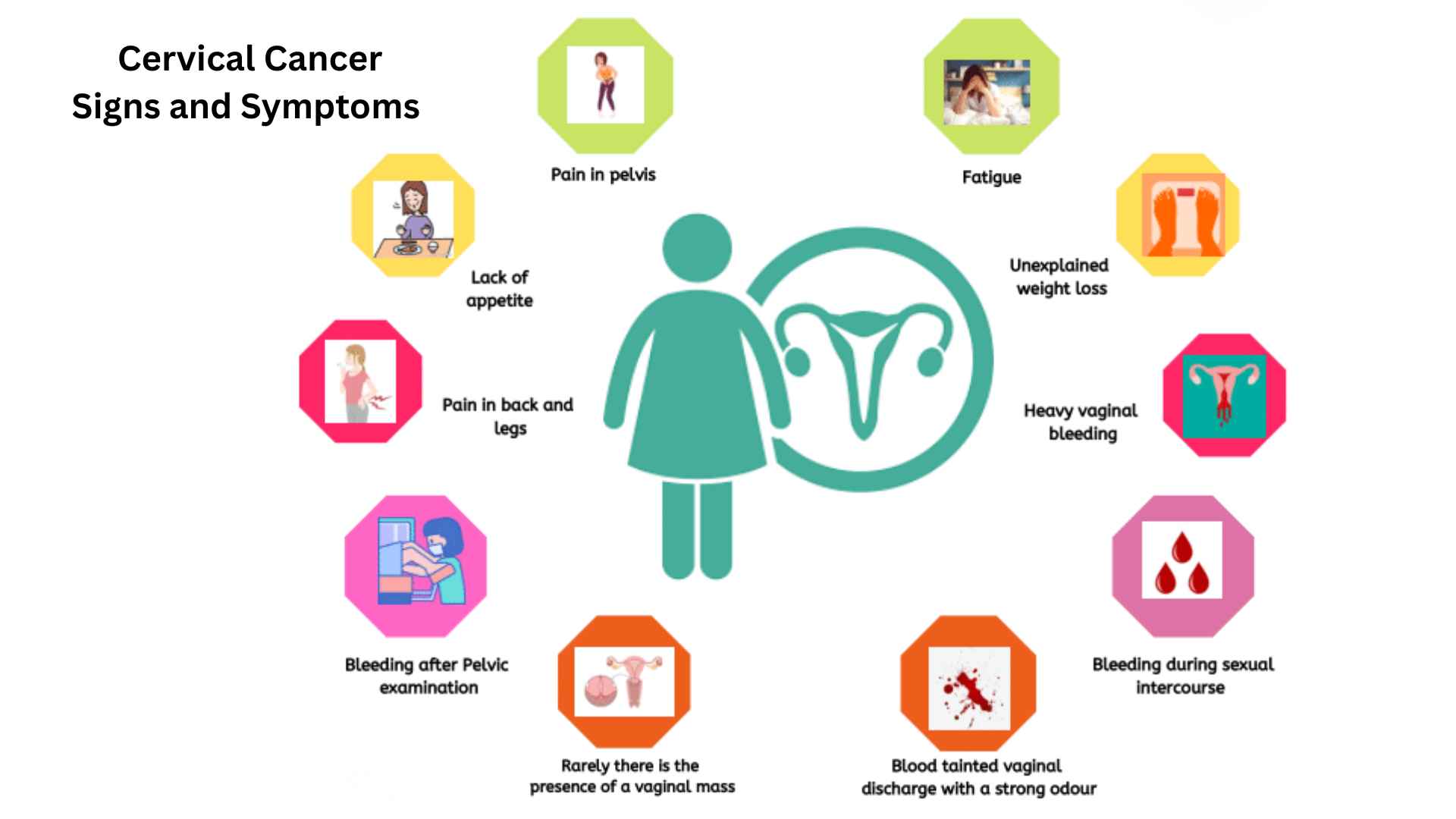
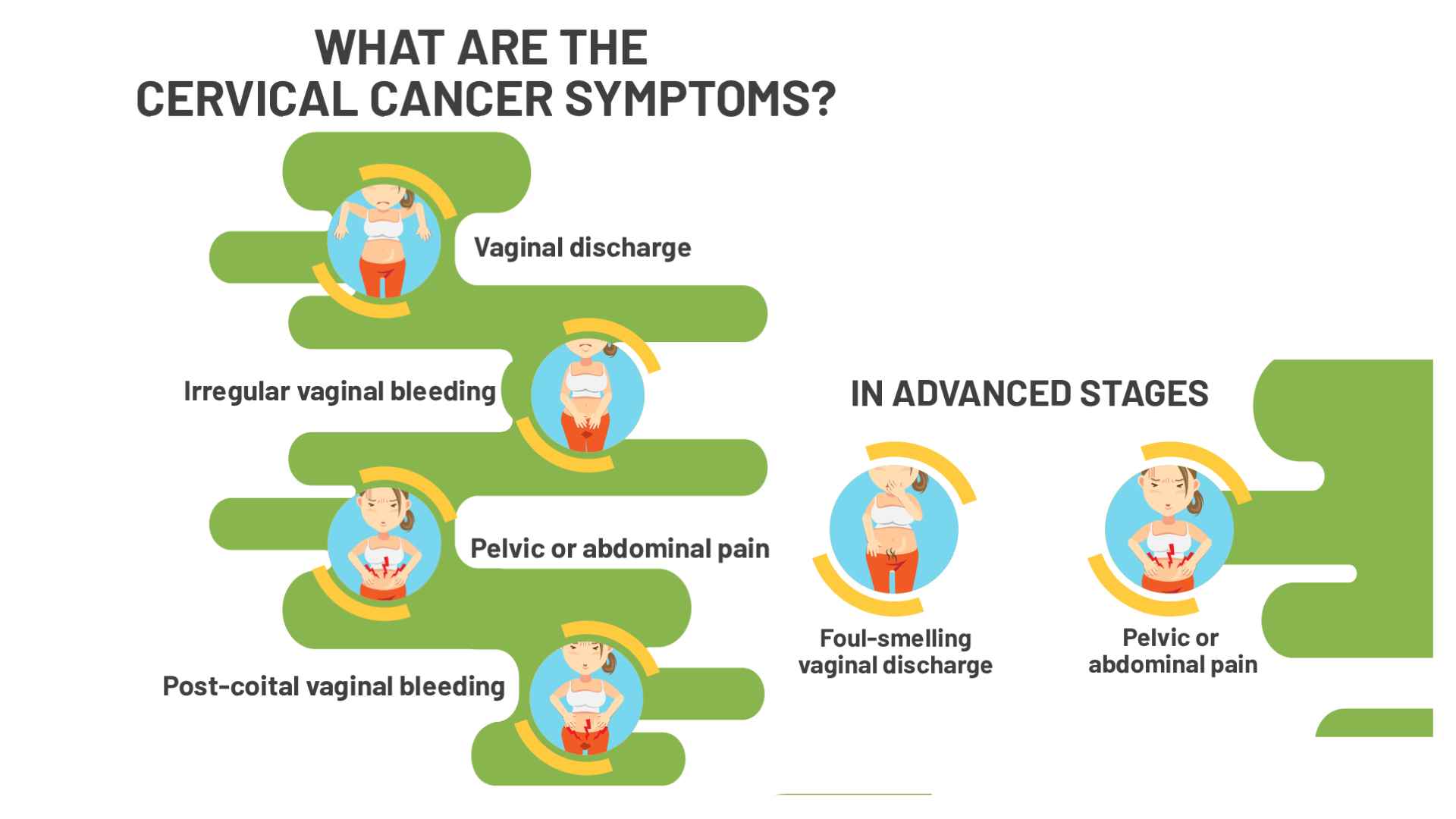
Symptoms: (often silent in early stages)
- Abnormal vaginal bleeding (between periods, after intercourse, post-menopause)
- Unusual vaginal discharge (watery, bloody, foul-smelling)
- Pelvic pain or pain during intercourse
- Advanced stages may cause leg pain, swelling, or difficulty urinating/bowel movements.
Complications:
- Spread to nearby organs such as bladder, rectum, or distant organs.
- Infertility after treatment (surgery/radiation).
- Urinary and bowel dysfunction.
- Lymphedema (swelling in legs due to lymph node removal or radiation).
- Recurrence of cancer.
- Emotional and psychological stress.
Diagnosis :
Diagnosis involves:
- Pap Smear Test (Pap Test): Detects precancerous or cancerous changes.
- HPV DNA Test: Identifies high-risk HPV infection.
- Colposcopy: Examination of the cervix with a magnifying instrument.
- Biopsy: Confirmation by removing a tissue sample.
- Imaging (MRI, CT, PET scan): To check cancer spread and staging.
Benefits of Homoeopathic Treatment
1. Individualised Care: Homoeopathy recognizes that each person is unique. A homoeopath will assess your symptoms, medical history, and lifestyle to prescribe a personalised treatment plan tailored to your needs.
2. Gentle and Natural: Homoeopathic remedies are derived from natural substances and are known for their minimal side effects. They work in harmony with the body, promoting self-healing and overall well-being.
3. Holistic Approach: Homoeopathy takes into account not only the physical symptoms but also the emotional and mental aspects of an individual. It aims to restore balance at all levels, providing comprehensive care.
4. Long-Term Relief: By addressing the underlying causes of Hyperacidity, homoeopathy strives to achieve long-term relief and improved quality of life.
Homeopathy and Cervical Cancer :
Homoeopathy does not claim to replace conventional treatment like surgery, chemotherapy, or radiation but may be used as a complementary approach. The goals of homoeopathy are:
To improve general immunity.
To reduce side effects of conventional treatments (nausea, weakness, anxiety, skin complaints).
To enhance overall quality of life.
To provide symptomatic relief (e.g., bleeding, discharge, pain).
Commonly used remedies (based on symptom similarity, prescribed individually):
- Carcinosin: For genetic predisposition, history of cancer, or recurring precancerous changes.
- Conium maculatum: For indurated glands, painful nodes, and slow-growing tumors.
- Thuja occidentalis: For HPV-related warts and abnormal cervical growths.
- Sepia: For chronic vaginal discharge with weakness and pelvic heaviness.
- Calcarea fluorica / Silicea: For hard, stony indurations and glandular swellings.
Consulting a Homeopath:
Consulting a professional Sanjivani homoeopath is essential for an accurate diagnosis and personalised treatment plan. Sanjivani Homoeopaths take a holistic approach, considering the patient's overall health, lifestyle, and specific triggers. They select remedies based on individual symptoms.
Sanjivani Homeopathy Clinic USP
- No homoeopathy Dietary Restrictions:
Allows patients to enjoy foods like onion, garlic, and coffee, ensuring a stress-free treatment journey.
- 24/7 Online Consultations:
Enables convenient access to doctors with detailed counseling, history management, and follow-ups.
- Highly Skilled Team:
Experienced BHMS and MD doctors, supported by multilingual and professional staff.
- Patient-Centric Care:
Simplifies treatment with modern, adaptable solutions and clear communication.
Click Here for Detailed "Sanjivani USP"
FAQ's
- What is homoeopathy ?
Homoeopathy is a holistic science which belives in the law of Similia Similibus Curenter i.e Like Cures Like .It was discovered by Dr Samuel Christian Hahnemannn in 1796.
- Is there any side effects of homoeopathy?
As homoeopathic medicines are made from natural substances this medicines have no side effects and are completely safe to consume
- Is there any diet restriction to take homoeopathic medicines?
There are no diet restrictions for homoeopathic medicines. One should only avoid eating or drinking any liquid other than water at least 30 minutes before and after taking homoeopathic medicines.
Click Here for "Frequently Asked Questions."
Conclusion
Cervical cancer is a preventable and treatable disease if detected early through regular screening and HPV vaccination. While conventional medicine remains the primary mode of treatment, homoeopathy can serve as a supportive therapy, focusing on enhancing immunity, reducing side effects, and improving the patient’s quality of life. A holistic approach involving lifestyle changes, preventive care, and timely medical attention is key in managing cervical cancer.
Disclaimer: The information provided in this blog is for educational purposes only and should not be considered medical advice. Please consult with a qualified healthcare professional before starting any treatment for cervical cancer or any other medical condition.

