
Introduction
Cancer of the stomach, also called gastric cancer, arises when abnormal cells in the lining of the stomach grow uncontrollably, forming a malignant tumor. It is one of the leading causes of cancer-related deaths worldwide and often remains undetected until it reaches an advanced stage.
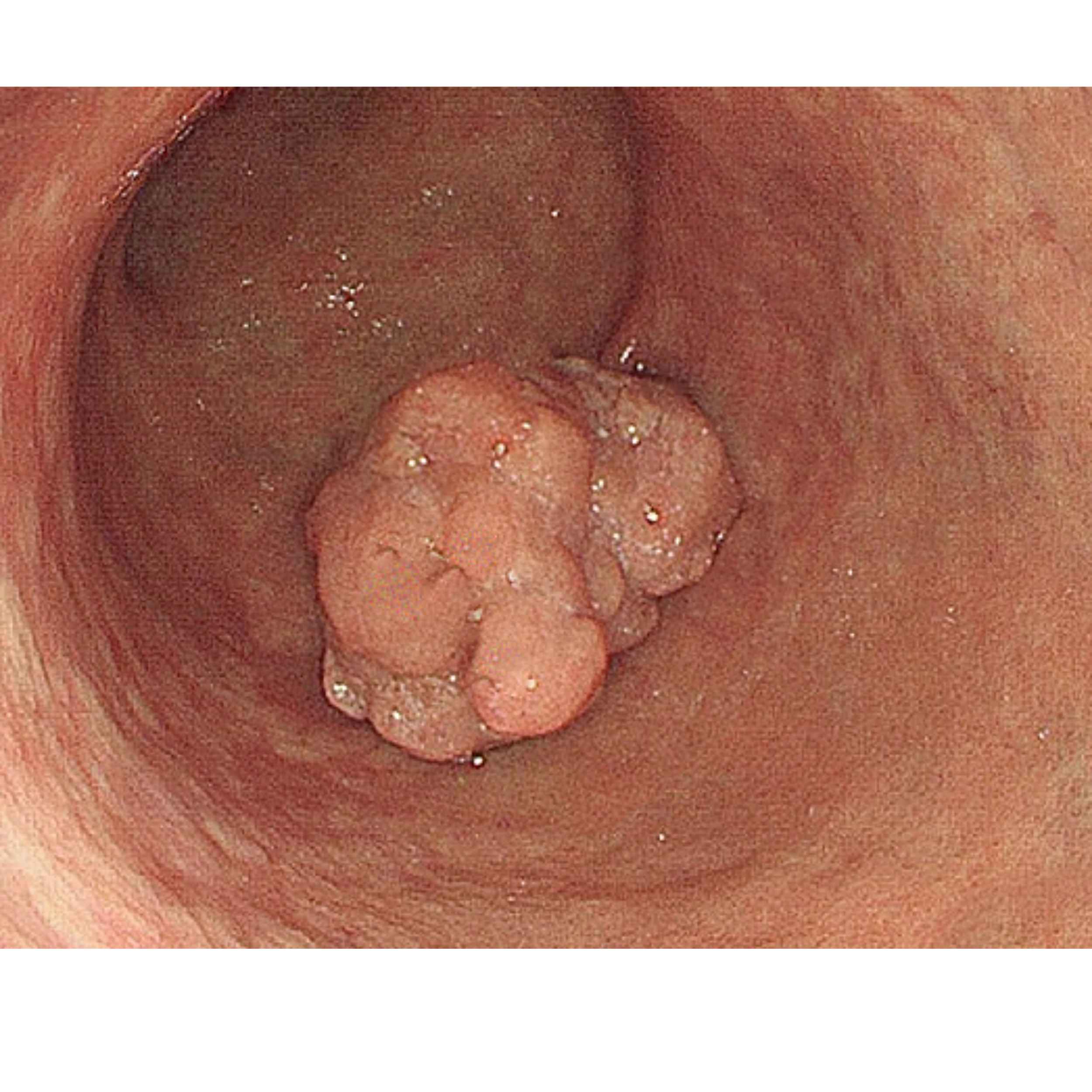
Understanding Cancer of stomach:
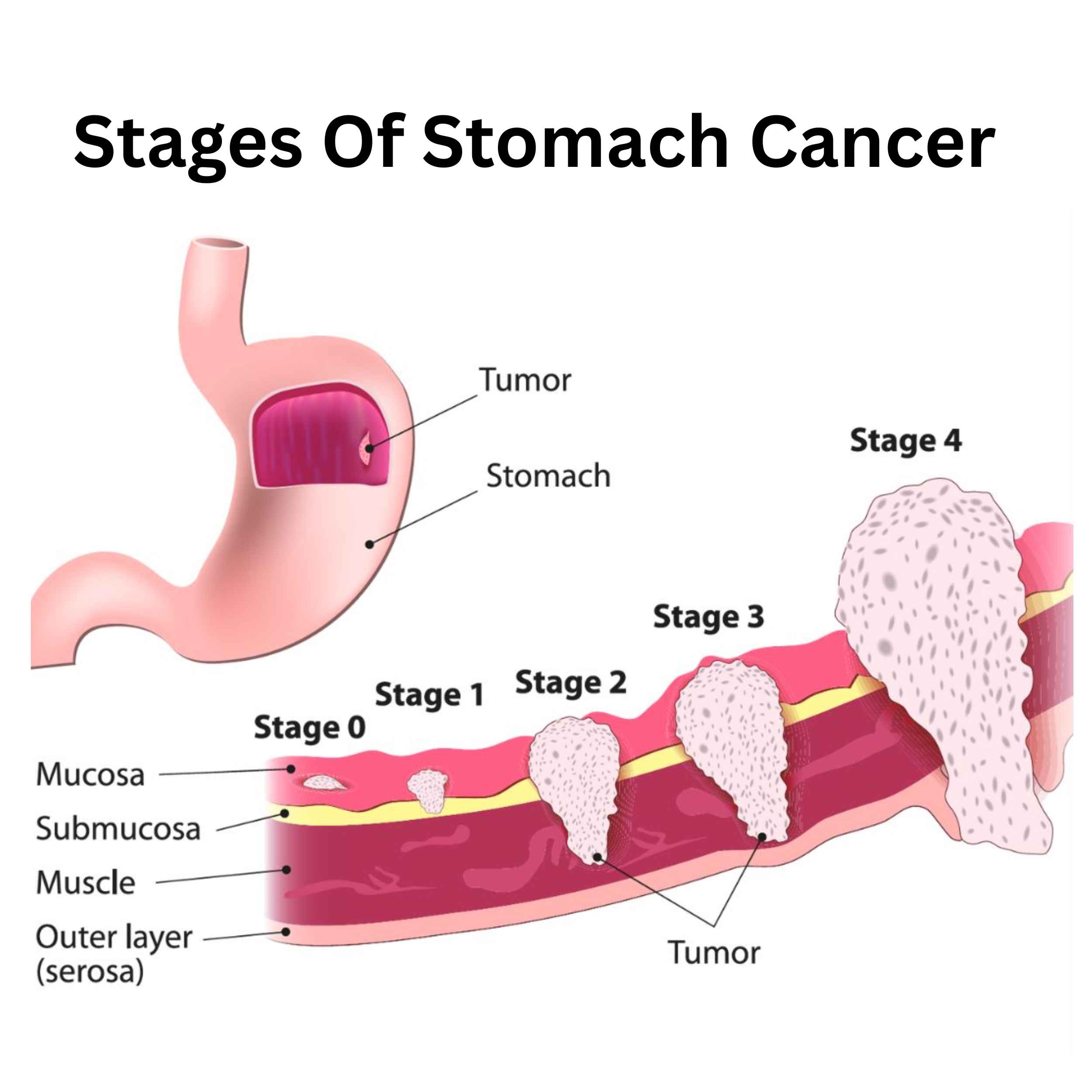
The stomach plays a vital role in digestion by breaking down food with the help of gastric juices. Cancer develops when DNA mutations in stomach cells cause them to grow and divide uncontrollably. Gastric cancer can start in different layers of the stomach wall and may spread to nearby organs, lymph nodes, or distant parts of the body if not treated.
Types
- Adenocarcinoma – Most common, arises from glandular cells of the stomach lining.
- Lymphoma – Cancer originating in immune system tissues within the stomach.
- Gastrointestinal stromal tumors (GISTs) – Rare, arise from muscle or connective tissue.
- Carcinoid tumors – Develop from hormone-producing cells of the stomach.
Causes & Symptoms:
Causes / Risk Factors:
- Helicobacter pylori (H. pylori) infection
- Smoking and alcohol consumption
- High-salt, smoked, or pickled foods
- Family history of stomach cancer
- Chronic gastritis or stomach ulcers
- Pernicious anemia
- Obesity
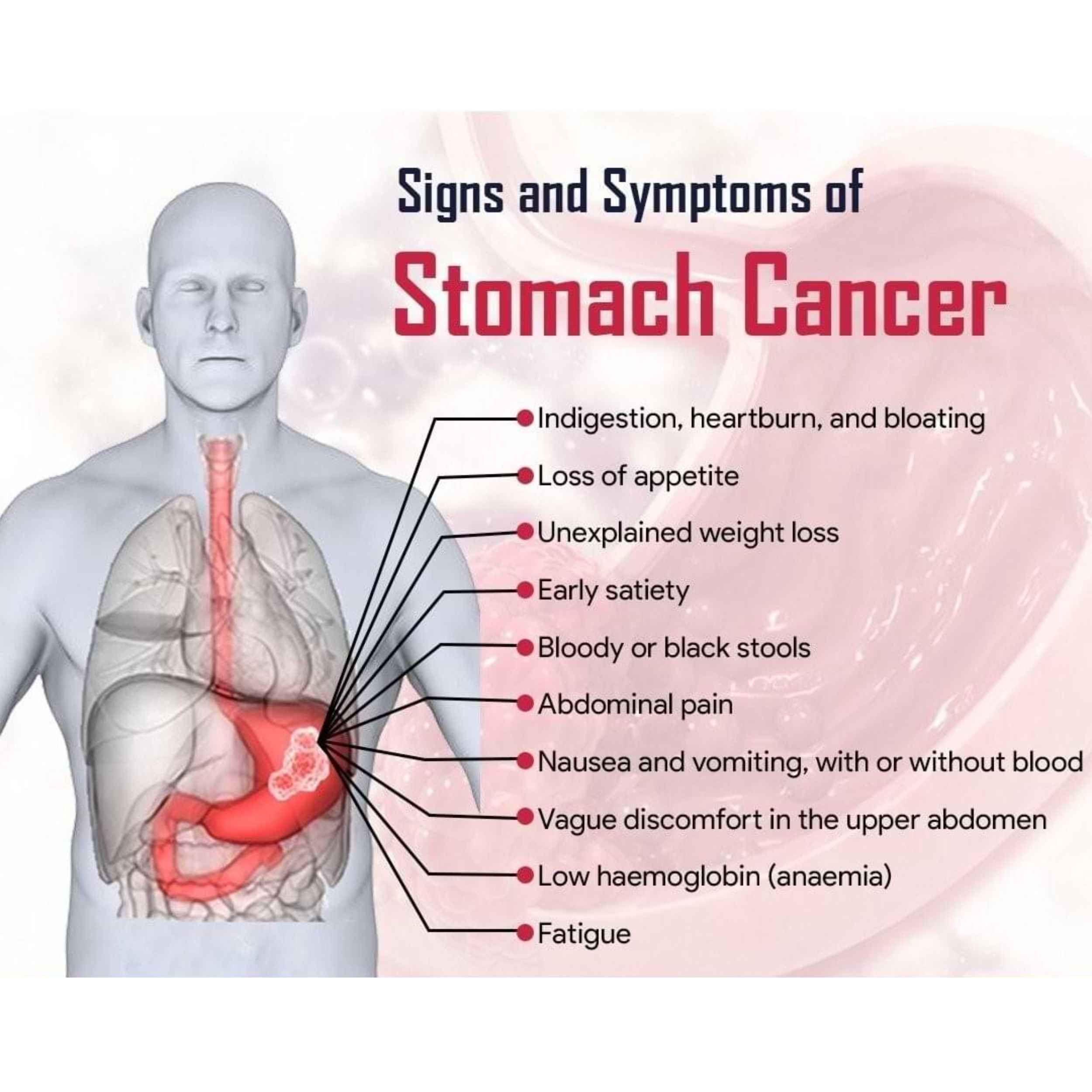
Symptoms:
- Indigestion, bloating, or heartburn
- Loss of appetite and weight loss
- Nausea and vomiting (sometimes with blood)
- Difficulty swallowing
- Black or tarry stools
- Stomach pain or discomfort
Complications:
- Bleeding inside the stomach
- Obstruction in food passage
- Malnutrition and weight loss
- Spread (metastasis) to liver, lungs, or other organs
- Severe pain and reduced quality of life
Diagnosis :
Diagnosis involves:
- Endoscopy with biopsy (gold standard)
- Imaging – CT scan, MRI, PET scan for staging
- Barium swallow X-ray
- Blood tests – anemia, tumor markers (CEA, CA 19-9)
- Laparoscopy – to check spread inside abdomen
Benefits of Homoeopathic Treatment
1. Individualised Care: Homoeopathy recognizes that each person is unique. A homoeopath will assess your symptoms, medical history, and lifestyle to prescribe a personalised treatment plan tailored to your needs.
2. Gentle and Natural: Homoeopathic remedies are derived from natural substances and are known for their minimal side effects. They work in harmony with the body, promoting self-healing and overall well-being.
3. Holistic Approach: Homoeopathy takes into account not only the physical symptoms but also the emotional and mental aspects of an individual. It aims to restore balance at all levels, providing comprehensive care.
4. Long-Term Relief: By addressing the underlying causes of Hyperacidity, homoeopathy strives to achieve long-term relief and improved quality of life.
Homeopathy and Cancer of Stomach:
Homeopathy is used as a supportive treatment in cancer cases. It does not replace surgery, chemotherapy, or radiotherapy but helps in:
Reducing side effects of conventional treatment (nausea, vomiting, weakness)
Improving digestion and appetite
Providing relief from pain and anxiety
Enhancing immunity and overall well-being
Commonly used remedies (based on individual case history):
- Carcinosin – For strong cancer diathesis, family history of cancer.
- Conium maculatum – For hard glandular tumors, painful swelling.
- Phosphorus – For bleeding, vomiting blood, gastric sensitivity.
- Arsenicum album – For burning pains, weakness, restlessness.
- Hydrastis canadensis – For chronic gastric catarrh, ulcer-like pain.
Consulting a Homeopath:
Consulting a professional Sanjivani homoeopath is essential for an accurate diagnosis and personalised treatment plan. Sanjivani Homoeopaths take a holistic approach, considering the patient's overall health, lifestyle, and specific triggers. They select remedies based on individual symptoms.
Sanjivani Homeopathy Clinic USP
- No homoeopathy Dietary Restrictions:
Allows patients to enjoy foods like onion, garlic, and coffee, ensuring a stress-free treatment journey.
- 24/7 Online Consultations:
Enables convenient access to doctors with detailed counseling, history management, and follow-ups.
- Highly Skilled Team:
Experienced BHMS and MD doctors, supported by multilingual and professional staff.
- Patient-Centric Care:
Simplifies treatment with modern, adaptable solutions and clear communication.
Click Here for Detailed "Sanjivani USP"
FAQ's
- What is homoeopathy ?
Homoeopathy is a holistic science which belives in the law of Similia Similibus Curenter i.e Like Cures Like .It was discovered by Dr Samuel Christian Hahnemannn in 1796.
- Is there any side effects of homoeopathy?
As homoeopathic medicines are made from natural substances this medicines have no side effects and are completely safe to consume
- Is there any diet restriction to take homoeopathic medicines?
There are no diet restrictions for homoeopathic medicines. One should only avoid eating or drinking any liquid other than water at least 30 minutes before and after taking homoeopathic medicines.
Click Here for "Frequently Asked Questions."
Conclusion
Cancer of the stomach is a serious and often life-threatening condition if not detected early. Awareness of symptoms, timely diagnosis, and appropriate medical treatment are crucial. Homeopathy, when integrated with conventional care, can improve patient comfort, reduce side effects, and enhance quality of life.
Disclaimer: The information provided in this blog is for educational purposes only and should not be considered medical advice. Please consult with a qualified healthcare professional before starting any treatment for cancer or any other medical condition.

