
Introduction
A calcanean spur, also called a heel spur, is a bony outgrowth that develops on the underside of the heel bone (calcaneus). It is often associated with plantar fasciitis and causes heel pain, especially during walking or standing.
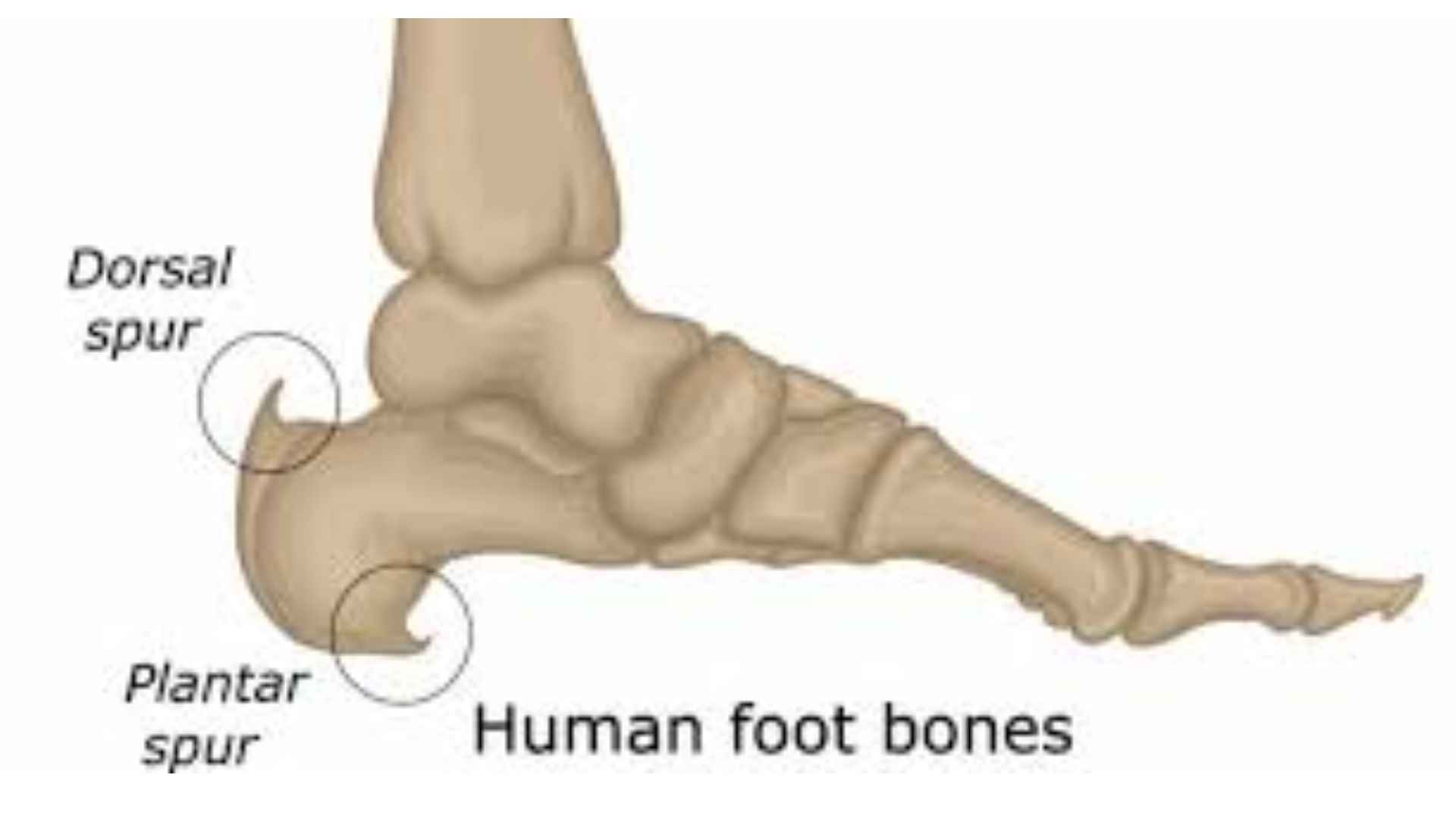
Understanding Calcanean Spur:
The heel bone bears most of the body’s weight while walking or standing. Continuous stress and strain on the heel can cause calcium deposits to build up, leading to the formation of a small bony projection known as a calcanean spur. This condition is common in people who spend long hours on their feet or wear ill-fitting footwear.
Causes & Symptoms:
Causes:
- Repeated strain or pressure on the heel
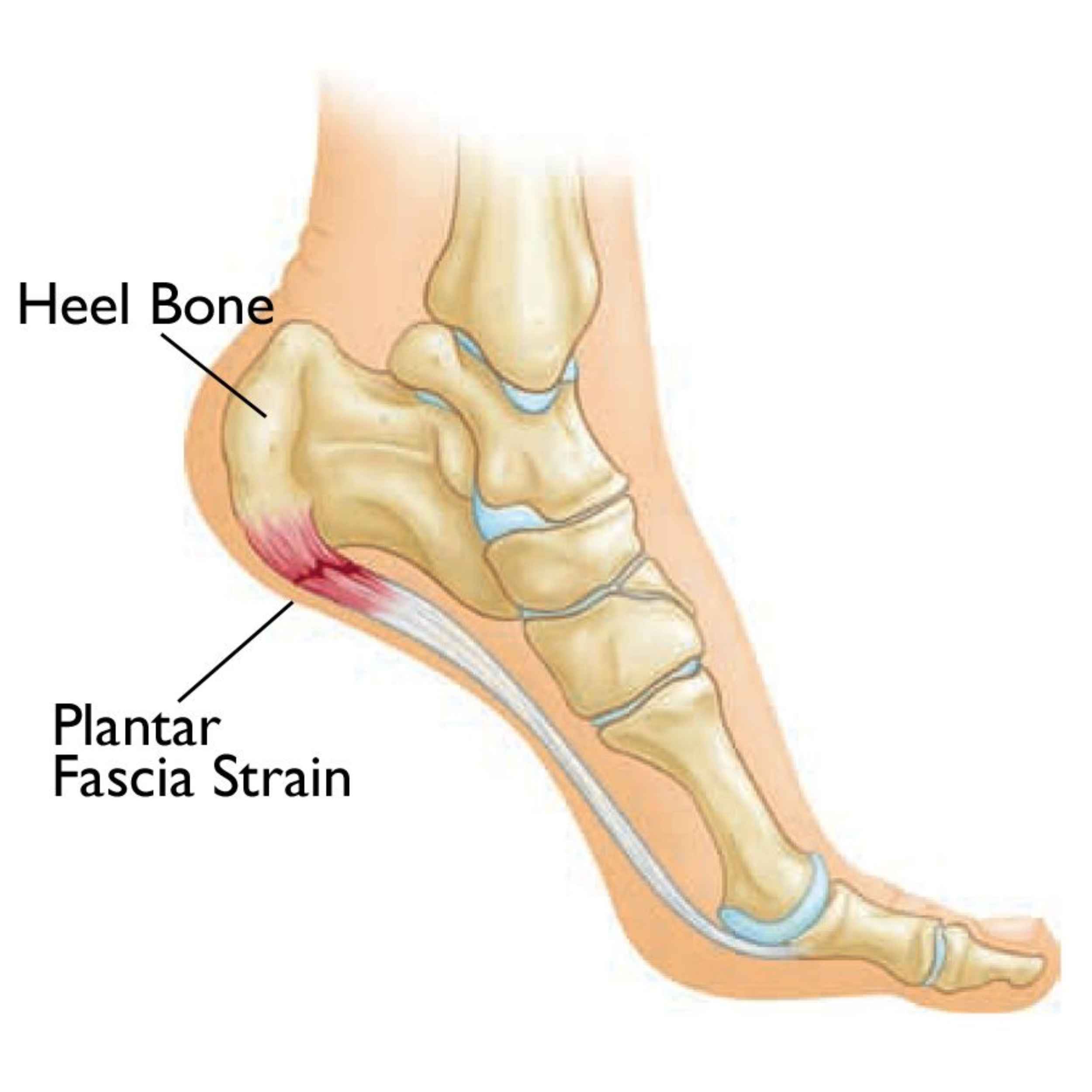
- Plantar fasciitis (inflammation of the plantar fascia)
- Obesity or excess body weight
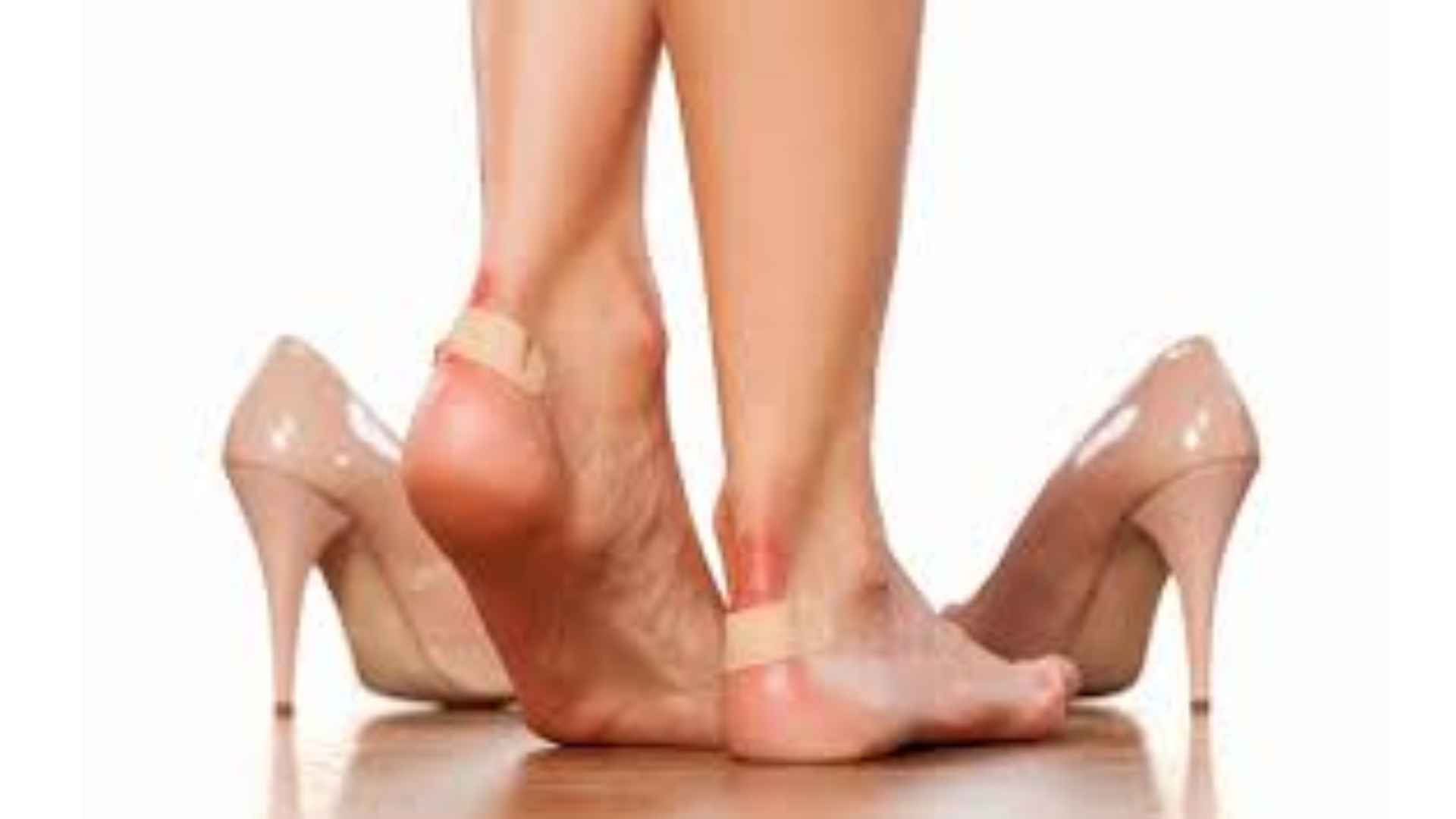
- Improper footwear without arch support
- Age-related changes in the heel bone
Symptoms:
- Sharp pain in the heel, especially in the morning (first step pain)
- Pain increases while standing, walking, or running
- Localized tenderness at the heel
- Sometimes swelling and warmth over the heel
Risk Factors:
- Age above 40 years
- Flat feet or high arches
- Occupations requiring prolonged standing or walking
- Athletes, especially runners
- Overweight or obese individuals
- Wearing worn-out or non-supportive shoes
Complications:
- If untreated, calcanean spur can lead to:
- Chronic heel pain
- Difficulty in walking or standing for long periods
- Changes in gait (walking style) due to pain
- Reduced mobility and quality of life
Diagnosis :
Diagnosis involves:
- History and Clinical Examination: Heel pain with tenderness on the sole.
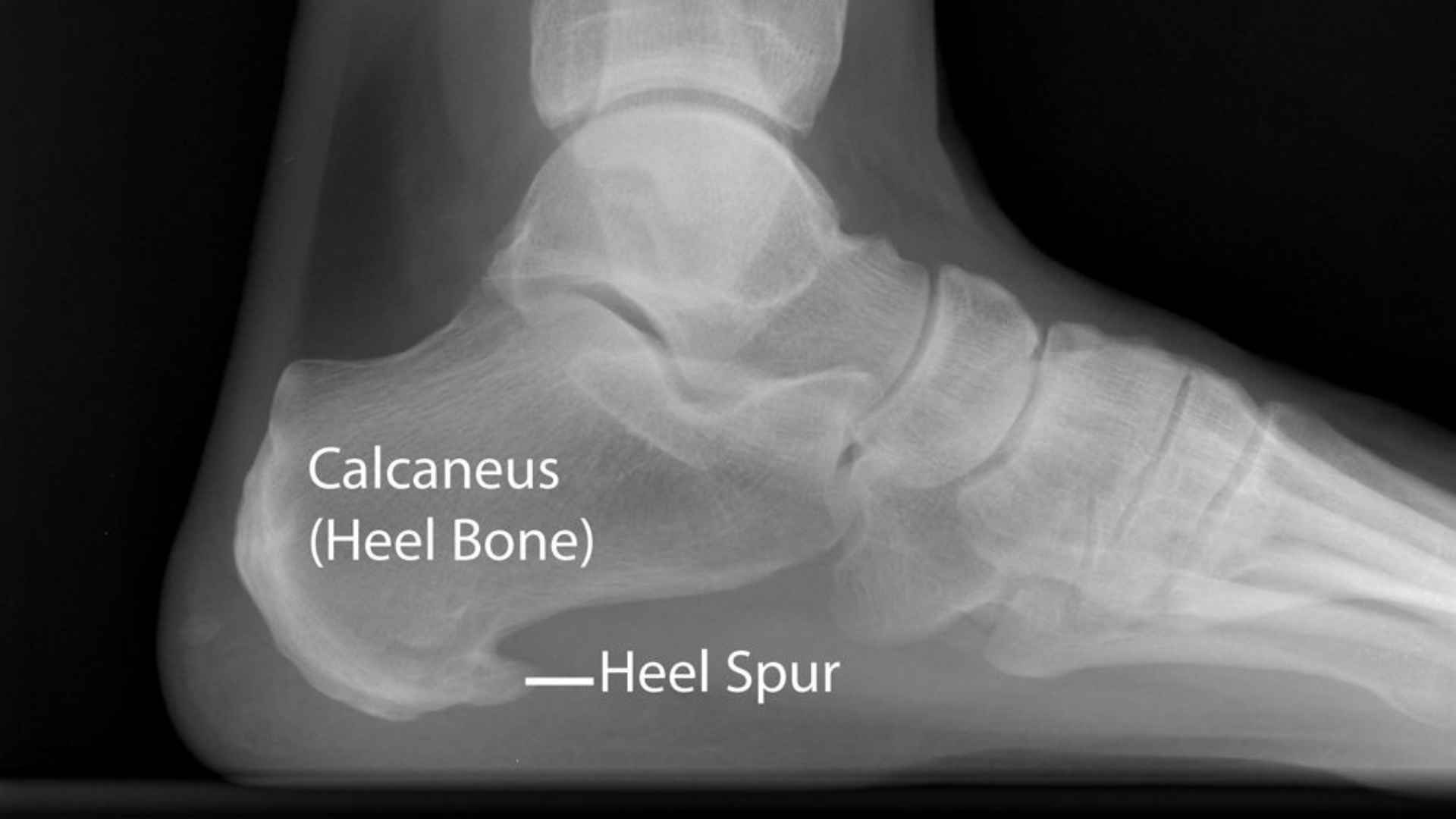
- X-ray of Heel: Confirms the presence of a bony spur at the base of the calcaneus.
- Ultrasound/MRI: May be used in cases where plantar fasciitis or soft tissue involvement needs assessment.
Benefits of Homoeopathic Treatment
1. Individualised Care: Homoeopathy recognizes that each person is unique. A homoeopath will assess your symptoms, medical history, and lifestyle to prescribe a personalised treatment plan tailored to your needs.
2. Gentle and Natural: Homoeopathic remedies are derived from natural substances and are known for their minimal side effects. They work in harmony with the body, promoting self-healing and overall well-being.
3. Holistic Approach: Homoeopathy takes into account not only the physical symptoms but also the emotional and mental aspects of an individual. It aims to restore balance at all levels, providing comprehensive care.
4. Long-Term Relief: By addressing the underlying causes of Hyperacidity, homoeopathy strives to achieve long-term relief and improved quality of life.
Homeopathy and Calcanean Spur :
Homeopathy aims to relieve pain, reduce inflammation, and address underlying causes without side effects. Commonly used remedies include:
- Calcarea Fluorica – For hard bony growths and heel pain.
- Ammonium Mur – For heel pain worse while walking.
- Rhus Toxicodendron – For stiffness and pain improving with movement.
- Aranea Diadema – For bone pains with sensitivity to weather changes.
- Mezereum – For burning pain in the heel region.
Consulting a Homeopath:
If you are seeking homoeopathic treatment for Calcanean spur , it is essential to consult with a qualified and experienced homoeopath. At Sanjivani Homeopathy Clinic, our team of skilled homoeopaths will conduct a thorough evaluation, considering your symptoms, medical history, and individual characteristics to develop a personalised treatment plan.
Sanjivani Homeopathy Clinic USP
- No homoeopathy Dietary Restrictions:
Allows patients to enjoy foods like onion, garlic, and coffee, ensuring a stress-free treatment journey.
- 24/7 Online Consultations:
Enables convenient access to doctors with detailed counseling, history management, and follow-ups.
- Highly Skilled Team:
Experienced BHMS and MD doctors, supported by multilingual and professional staff.
- Patient-Centric Care:
Simplifies treatment with modern, adaptable solutions and clear communication.
Click Here for Detailed "Sanjivani USP"
FAQ's
- What is homoeopathy ?
Homoeopathy is a holistic science which belives in the law of Similia Similibus Curenter i.e Like Cures Like .It was discovered by Dr Samuel Christian Hahnemannn in 1796.
- Is there any side effects of homoeopathy?
As homoeopathic medicines are made from natural substances this medicines have no side effects and are completely safe to consume
- Is there any diet restriction to take homoeopathic medicines?
There are no diet restrictions for homoeopathic medicines. One should only avoid eating or drinking any liquid other than water at least 30 minutes before and after taking homoeopathic medicines.
Click Here for "Frequently Asked Questions."
Conclusion
Calcanean spur is a common cause of heel pain, often related to lifestyle factors, strain, or plantar fasciitis. Though not life-threatening, it can significantly affect daily activities. With proper footwear, weight management, stretching exercises, and suitable homeopathic treatment, symptoms can be effectively managed, providing long-term relief and improved quality of life. Sanjivani homoeopathy can be a valuable complementary option in managing, Calcanean spur improviding relief from discomfort and supporting overall health, all without the need for restrictive diets. This approach allows for a more personalized, sustainable way to manage the condition, fostering lasting improvement and quality of life.
Disclaimer: The information provided in this blog is for educational purposes only and should not be considered medical advice. Please consult with a qualified healthcare professional before starting any treatment for acid peptic disease or any other medical condition.

