
Introduction
Amyotrophic Lateral Sclerosis (ALS), also known as Lou Gehrig's disease, is a rare and progressive neurodegenerative disorder that affects nerve cells (neurons) in the brain and spinal cord. It leads to the loss of voluntary muscle control and eventually results in severe disability. Despite ongoing research, ALS remains a life-threatening condition with no known cure, making early detection and supportive care crucial.
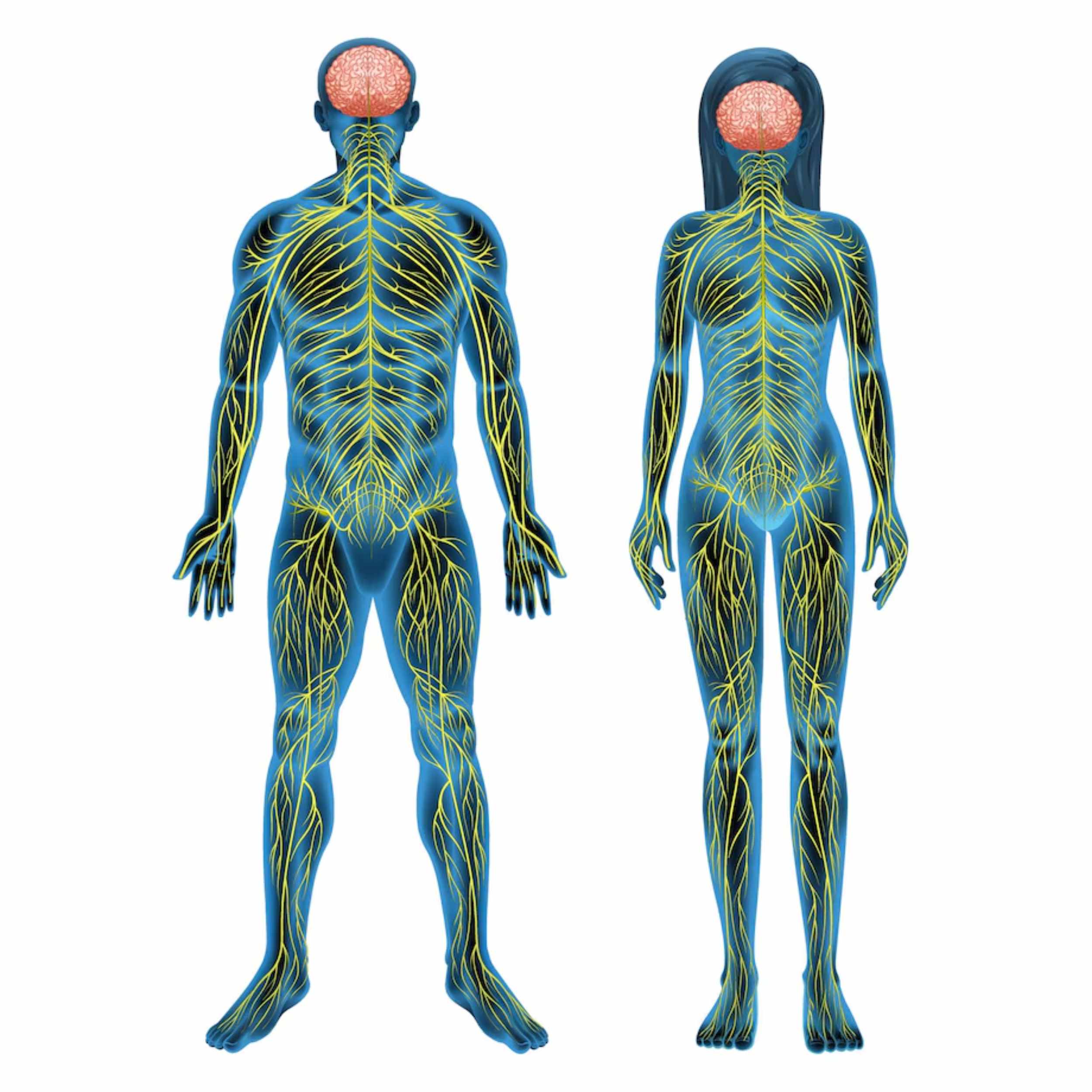
Understanding Amyotrophic Lateral Sclerosis (ALS):
ALS targets motor neurons, which are responsible for sending messages from the brain to muscles throughout the body. As these neurons gradually die, the brain loses its ability to initiate and control muscle movements. Over time, patients experience muscle weakness, twitching, difficulty speaking, swallowing, and eventually breathing.
There are two types of ALS:
Sporadic ALS – The most common form, occurring randomly without a known cause (90–95% of cases).
Familial ALS – Inherited through genetics (5–10% of cases).
Causes & Symptoms:
Causes:
- The exact cause of ALS is still unknown in most cases, but potential factors include:
- Genetic mutations (e.g., SOD1, C9orf72 genes)
- Imbalance in neurotransmitters
- Autoimmune response
- Oxidative stress
- Environmental factors (e.g., exposure to toxins)

Symptoms:
Symptoms often begin subtly and progress over time.
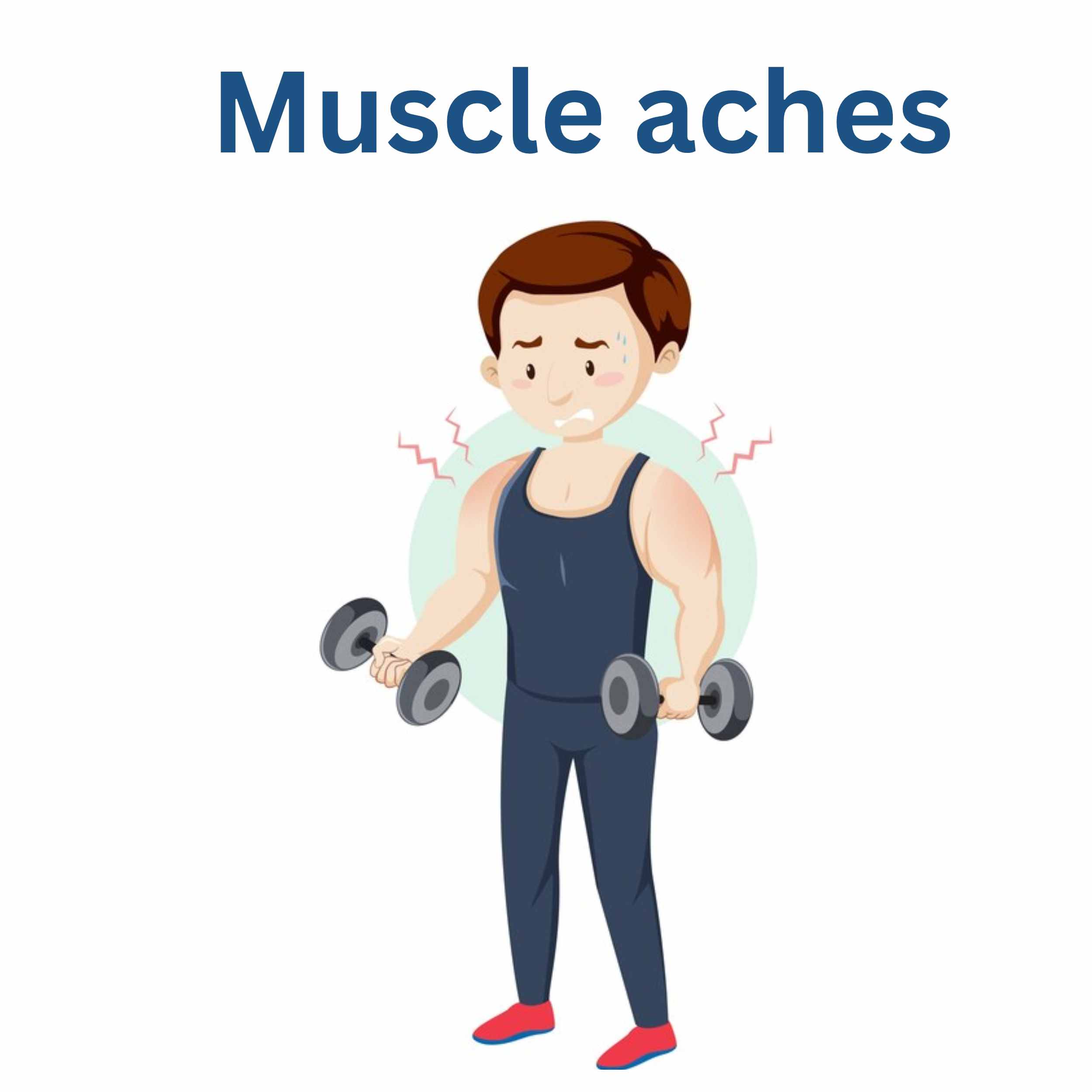
- Muscle weakness or stiffness (typically in arms or legs)
- Twitching (fasciculations)
- Slurred speech and difficulty swallowing
- Fatigue and weight loss
- Difficulty breathing in later stages
- Muscle cramps and coordination issues
Risk Factors:
While the exact triggers remain unknown, several factors may increase the risk:
- Age – Most common between 40 and 70 years
- Gender – Slightly more common in men
- Genetics – Family history in familial ALS
- Environmental exposure – Contact with heavy metals, pesticides, or military service
- Smoking – May increase risk in some individuals
Complications:
ALS affects not just mobility, but multiple systems in the body, leading to:
- Respiratory failure – A leading cause of death in ALS patients
- Pneumonia – Due to impaired swallowing and aspiration
- Malnutrition and dehydration – From difficulty swallowing
- Speech and communication issues
- Depression and emotional instability – Due to disease progression and stress
Diagnosis :
There is no single test for ALS, so diagnosis is often based on ruling out other conditions. Key diagnostic steps include:
- Neurological examination
- Electromyography (EMG) and Nerve conduction studies (NCS)
- MRI scan – To rule out other brain/spinal cord disorders
- Blood and urine tests – To exclude other diseases
- Genetic testing – For familial cases
- Lumbar puncture (spinal tap) – Occasionally used
Early diagnosis allows better management and support planning.
Benefits of Homoeopathic Treatment
1. Individualised Care: Homoeopathy recognizes that each person is unique. A homoeopath will assess your symptoms, medical history, and lifestyle to prescribe a personalised treatment plan tailored to your needs.
2. Gentle and Natural: Homoeopathic remedies are derived from natural substances and are known for their minimal side effects. They work in harmony with the body, promoting self-healing and overall well-being.
3. Holistic Approach: Homoeopathy takes into account not only the physical symptoms but also the emotional and mental aspects of an individual. It aims to restore balance at all levels, providing comprehensive care.
4. Long-Term Relief: By addressing the underlying causes of Hyperacidity, homoeopathy strives to achieve long-term relief and improved quality of life.
Homeopathy for Amyotrophic Lateral Sclerosis (ALS):
Homoeopathy aims to stimulate the body’s natural healing process. Homoeopathic remedies may help in managing symptoms, slowing down progression, and improving quality of life. Remedies are selected based on the individual's physical, mental, and emotional constitution.
Some commonly indicated remedies include:
- Plumbum Metallicum – For progressive muscular atrophy, paralysis, trembling
- Cuprum Metallicum – For muscle cramps, spasms, twitching
- Zincum Metallicum – For restlessness, muscular weakness, trembling
- Gelsemium – For fatigue, weakness, and trembling
- Lathyrus Sativus – For spastic paralysis, especially of lower limbs
Consulting a Homeopath
If you are seeking homoeopathic treatment for Amyotrophic Lateral Sclerosis, it is essential to consult with a qualified and experienced homoeopath. At Sanjivani Homeopathy Clinic, our team of skilled homoeopaths will conduct a thorough evaluation, considering your symptoms, medical history, and individual characteristics to develop a personalised treatment plan.
Sanjivani Homeopathy Clinic USP
- No homoeopathy Dietary Restrictions:
Allows patients to enjoy foods like onion, garlic, and coffee, ensuring a stress-free treatment journey.
- 24/7 Online Consultations:
Enables convenient access to doctors with detailed counseling, history management, and follow-ups.
- Highly Skilled Team:
Experienced BHMS and MD doctors, supported by multilingual and professional staff.
- Patient-Centric Care:
Simplifies treatment with modern, adaptable solutions and clear communication.
Click Here for Detailed "Sanjivani USP"
FAQ's
- What is homoeopathy ?
Homoeopathy is a holistic science which belives in the law of Similia Similibus Curenter i.e Like Cures Like .It was discovered by Dr Samuel Christian Hahnemannn in 1796.
- Is there any side effects of homoeopathy?
As homoeopathic medicines are made from natural substances this medicines have no side effects and are completely safe to consume
- Is there any diet restriction to take homoeopathic medicines?
There are no diet restrictions for homoeopathic medicines. One should only avoid eating or drinking any liquid other than water at least 30 minutes before and after taking homoeopathic medicines.
Click Here for "Frequently Asked Questions."
Conclusion
Homoeopathy offers a gentle, holistic approach to managing Amyotrophic Lateral Sclerosis (ALS) by focusing on improving overall well-being, reducing symptoms, and slowing disease progression. Rather than just suppressing symptoms, it addresses the patient’s physical, emotional, and mental state to enhance quality of life. Sanjivani Homeopathy provides personalized care that supports strength, comfort, and better daily functioning—making it a valuable complementary option for those living with ALS.
Disclaimer : The information provided in this blog is for educational purposes only and should not be considered medical advice. Please consult with a qualified healthcare professional before starting any treatment for Amyotrophic Lateral Sclerosis or any other medical condition.

