
Introduction
Amenorrhea is the medical term for the absence of menstruation — one or more missed menstrual periods. It is not a disease itself but a symptom of an underlying condition affecting the reproductive, hormonal, or systemic health of a woman. Amenorrhea can be primary (when menstruation has not started by age 15) or secondary (when menstruation stops for three months or more in a woman who previously had regular cycles).
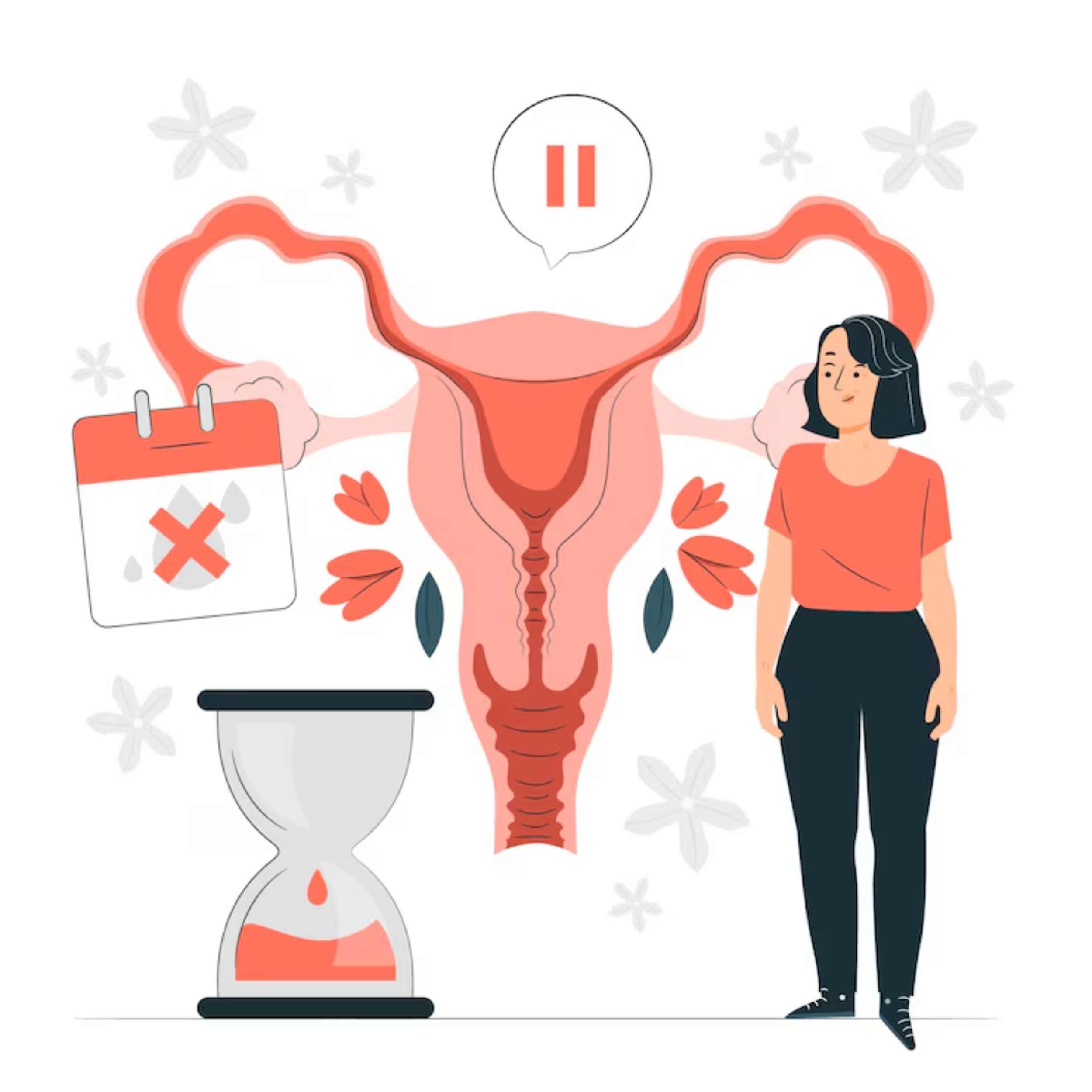
Understanding Amenorrhea :
Amenorrhea occurs when the normal hormonal cycle is disrupted. The menstrual cycle is regulated by a delicate balance of hormones produced by the hypothalamus, pituitary gland, ovaries, and uterus. Any disturbance in this axis can lead to a pause or complete stop in menstruation.
Causes & Symptoms:
Causes of Primary Amenorrhea:
- Genetic or chromosomal abnormalities (e.g., Turner syndrome)
- Congenital absence or malformation of reproductive organs
- Hormonal imbalances

Causes of Secondary Amenorrhea:
- Pregnancy (most common cause)
- Polycystic Ovary Syndrome (PCOS)
- Stress, excessive exercise, or low body weight
- Thyroid disorders
- Pituitary tumors
- Menopause (early or natural)
- Use of certain medications (like antidepressants or chemotherapy)
- Chronic illnesses

Symptoms Associated with Amenorrhea:
- Absence of menstruation
- Headaches or vision changes (if pituitary tumor is involved)
- Hair loss or excessive facial hair
- Acne
- Breast discharge (galactorrhea)
- Vaginal dryness
- Mood changes or hot flashes
Risk Factors:
- Family history of amenorrhea or hormonal issue
- Eating disorders (anorexia, bulimia)
- Excessive physical activity
- Obesity or underweight
- Chronic stress
- Medical conditions like PCOS or thyroid disease
Complications:
If untreated, amenorrhea can lead to:
- Infertility
- Osteoporosis (due to low estrogen levels)
- Cardiovascular issues
- Endometrial hyperplasia (thickening of uterine lining)
- Emotional distress, anxiety, or depression

Diagnosis :
Diagnosis involves identifying the underlying cause:
- Medical History & Physical Exam
- Pregnancy Test (to rule out pregnancy)
- Hormone Blood Tests – FSH, LH, prolactin, estrogen, thyroid function
- Pelvic Ultrasound – to visualize reproductive organs
- MRI or CT Scan – if pituitary tumor or brain-related issue is suspected
- Genetic Testing – in case of suspected chromosomal disorders
Benefits of Homoeopathic Treatment
1. Individualised Care: Homoeopathy recognizes that each person is unique. A homoeopath will assess your symptoms, medical history, and lifestyle to prescribe a personalised treatment plan tailored to your needs.
2. Gentle and Natural: Homoeopathic remedies are derived from natural substances and are known for their minimal side effects. They work in harmony with the body, promoting self-healing and overall well-being.
3. Holistic Approach: Homoeopathy takes into account not only the physical symptoms but also the emotional and mental aspects of an individual. It aims to restore balance at all levels, providing comprehensive care.
4. Long-Term Relief: By addressing the underlying causes of Hyperacidity, homoeopathy strives to achieve long-term relief and improved quality of life.
Homeopathy For Amenorrhea :
Role of Homeopathy:
Homeopathy offers a gentle, constitutional approach to amenorrhea by treating the root cause rather than just the symptom. It aims to balance the hormonal system, improve overall vitality, and restore the natural menstrual cycle without artificial hormone therapy.
Commonly Used Homeopathic Remedies:
- Pulsatilla: For delayed periods, especially in gentle, emotional, or timid girls; menses suppressed due to emotions or cold exposure.
- Sepia: When amenorrhea is linked to hormonal imbalance with irritability, fatigue, and aversion to family or duties.
- Natrum Mur: In girls or women who are introverted and emotionally sensitive; suppressed menses after grief.
- Lachesis: For suppressed menses with hot flashes, headaches, and talkativeness.
- Cimicifuga: For menstrual irregularities with mood swings, especially in young girls or after childbirth.
- Calcarea Carb: In overweight girls with late puberty and excessive sweating or fatigue.
Consulting a Homeopath
If you are seeking homoeopathic treatment for Amenorrhea, it is essential to consult with a qualified and experienced homoeopath. At Sanjivani Homeopathy Clinic, our team of skilled homoeopaths will conduct a thorough evaluation, considering your symptoms, medical history, and individual characteristics to develop a personalised treatment plan.
Sanjivani Homeopathy Clinic USP
- No homoeopathy Dietary Restrictions:
Allows patients to enjoy foods like onion, garlic, and coffee, ensuring a stress-free treatment journey.
- 24/7 Online Consultations:
Enables convenient access to doctors with detailed counseling, history management, and follow-ups.
- Highly Skilled Team:
Experienced BHMS and MD doctors, supported by multilingual and professional staff.
- Patient-Centric Care:
Simplifies treatment with modern, adaptable solutions and clear communication.
Click Here for Detailed "Sanjivani USP"
FAQ's
- What is homoeopathy ?
Homoeopathy is a holistic science which belives in the law of Similia Similibus Curenter i.e Like Cures Like .It was discovered by Dr Samuel Christian Hahnemannn in 1796.
- Is there any side effects of homoeopathy?
As homoeopathic medicines are made from natural substances this medicines have no side effects and are completely safe to consume
- Is there any diet restriction to take homoeopathic medicines?
There are no diet restrictions for homoeopathic medicines. One should only avoid eating or drinking any liquid other than water at least 30 minutes before and after taking homoeopathic medicines.
Click Here for "Frequently Asked Questions."
Conclusion
Homoeopathic remedies offer a holistic and individualized approach to managing Amenorrhea by not just addressing the absence of menstruation but also targeting the underlying hormonal, emotional, and constitutional imbalances. By taking into account the unique physical and mental makeup of each patient, homoeopathy aims to stimulate the body’s natural healing processes and restore the rhythm of the menstrual cycle. Unlike conventional treatments that often rely on hormonal therapy or invasive procedures, homoeopathy works gently to correct the root cause—whether it be stress, lifestyle imbalance, or endocrine dysfunction.
Sanjivani Homoeopathy provides a safe and effective complementary option for women dealing with Amenorrhea, empowering them to regain their hormonal balance without side effects or dependency on synthetic hormones. This personalized approach not only improves reproductive health but also enhances overall well-being, offering a natural, long-term solution and better quality of life.
Disclaimer : The information provided in this blog is for educational purposes only and should not be considered medical advice. Please consult with a qualified healthcare professional before starting any treatment for amenorrhea or any other medical condition.

