
Introduction
Antiphospholipid Syndrome (APS), also known as Hughes Syndrome, is an autoimmune disorder in which the body’s immune system mistakenly produces antibodies against phospholipids—a type of fat found in all living cells and cell membranes. This leads to an increased risk of abnormal blood clotting in arteries and veins, which can result in serious health problems such as deep vein thrombosis (DVT), stroke, heart attack, and pregnancy-related complications.
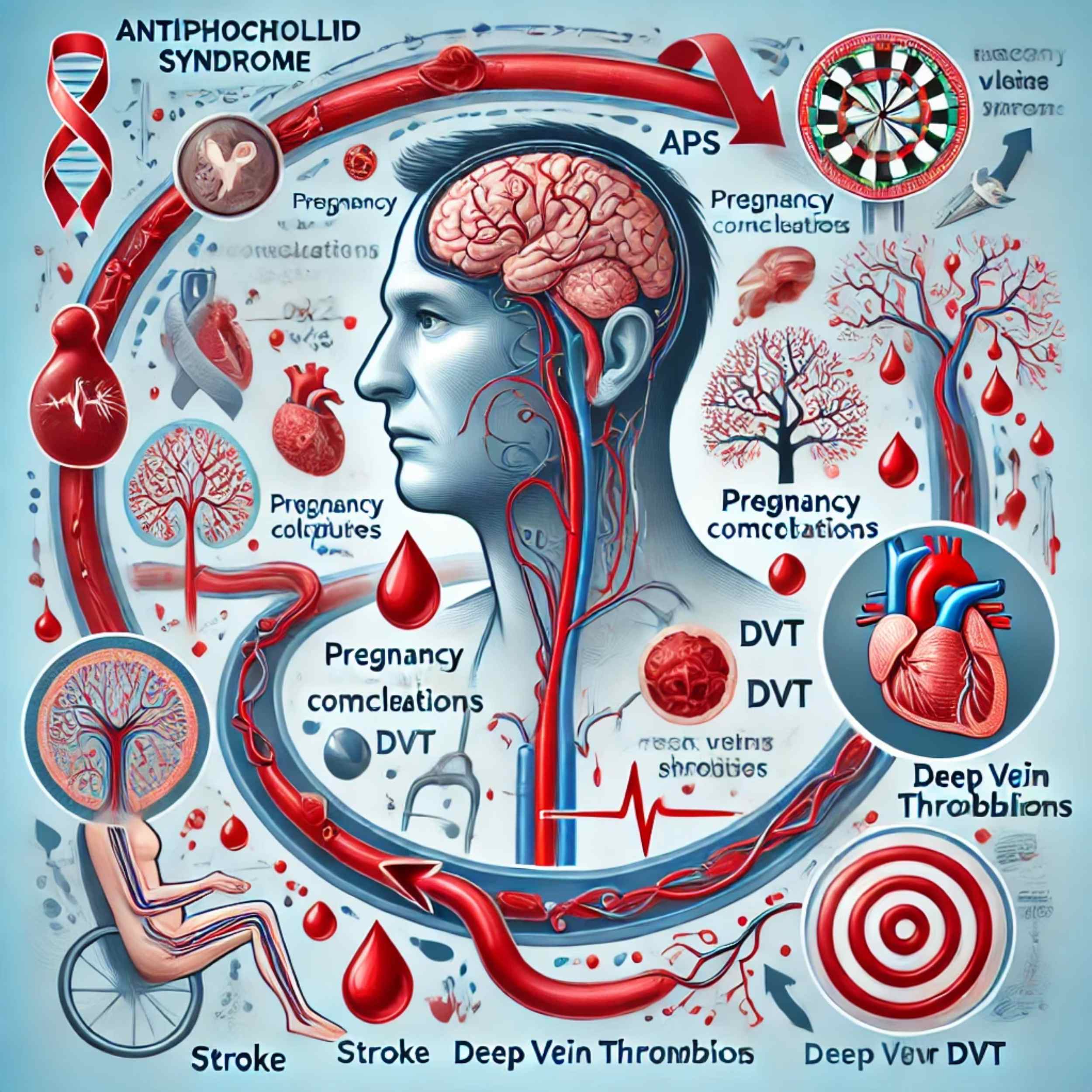
Understanding Antiphospholipid Syndrome (APS):
In APS, the immune system produces antiphospholipid antibodies (aPL) that mistakenly attack normal phospholipid-binding proteins in the blood. This abnormal immune response increases clotting activity and inflammation, which can affect multiple organs. APS may occur on its own (primary APS) or alongside other autoimmune disorders like lupus (secondary APS).
Causes & Symptoms:
Causes:
The exact cause of APS is unknown, but it's associated with:
- Genetic predisposition
- Autoimmune conditions (especially lupus)
- Certain infections (like HIV, hepatitis C)
- Medications (e.g., certain antibiotics or anti-seizure drugs)
Symptoms:
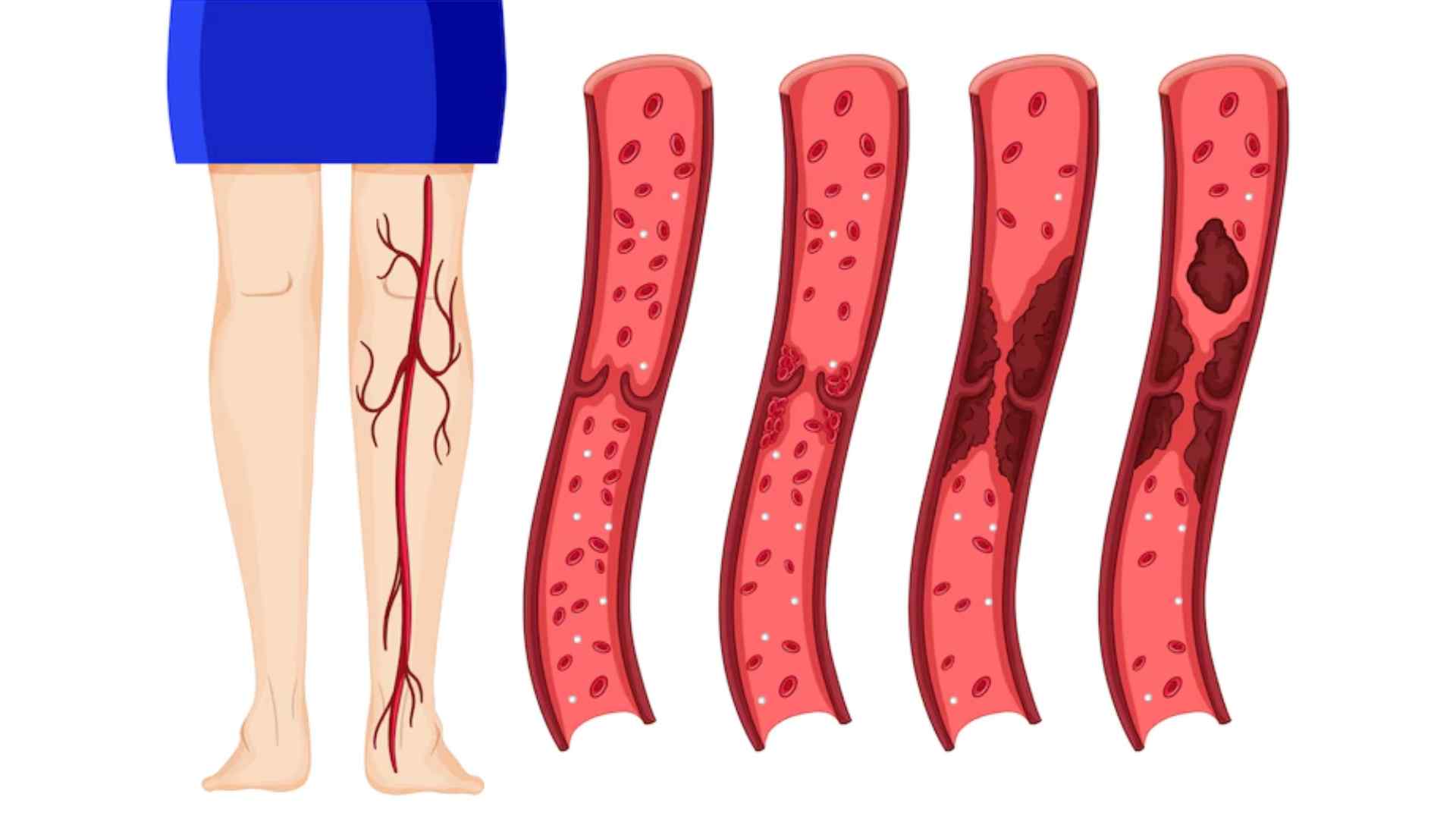
- Blood clots in legs (DVT) or lungs (pulmonary embolism)
- Strokes or transient ischemic attacks (TIAs)
- Repeated miscarriages or stillbirths
- Headaches or migraines
- Seizures
- Skin rashes (livedo reticularis)
- Low platelet count (thrombocytopenia)
Risk Factors:
- Autoimmune diseases (like lupus)
- Family history of APS or clotting disorders
- Prolonged immobility or surgery
- Smoking
- Pregnancy
- Use of oral contraceptives or hormone therapy
- Infections or certain medications
Complications:
If left untreated, APS can lead to severe complications such as:
- Autoimmune diseases (like lupus)
- Family history of APS or clotting disorders
- Prolonged immobility or surgery
- Smoking
- Pregnancy
- Use of oral contraceptives or hormone therapy
- Infections or certain medications
Diagnosis :
Diagnosis involves:
- Blood tests to detect antiphospholipid antibodies (lupus anticoagulant, anticardiolipin antibodies, and beta-2 glycoprotein I antibodies)
- Tests must be repeated at least 12 weeks apart to confirm persistent presence
- Imaging tests may be used to detect clots in organs
- A full evaluation of medical history, especially related to pregnancy loss or clotting events
Benefits of Homoeopathic Treatment
1. Individualised Care: Homoeopathy recognizes that each person is unique. A homoeopath will assess your symptoms, medical history, and lifestyle to prescribe a personalised treatment plan tailored to your needs.
2. Gentle and Natural: Homoeopathic remedies are derived from natural substances and are known for their minimal side effects. They work in harmony with the body, promoting self-healing and overall well-being.
3. Holistic Approach: Homoeopathy takes into account not only the physical symptoms but also the emotional and mental aspects of an individual. It aims to restore balance at all levels, providing comprehensive care.
4. Long-Term Relief: By addressing the underlying causes of Hyperacidity, homoeopathy strives to achieve long-term relief and improved quality of life.
Homeopathy for Antiphospholipid Syndrome:
Homeopathy offers a supportive and holistic approach to managing APS by focusing on the patient’s constitutional symptoms, immune regulation, and emotional well-being. While homeopathy cannot replace anticoagulant therapy when urgently needed, it can complement conventional treatment, reduce recurrence of clots, and help manage underlying autoimmune activity.
Common Homeopathic Remedies:
- Lachesis – For clotting tendency, especially with heat intolerance and left-sided symptoms.
- Apis Mellifica – For swelling, inflammation, and allergic tendencies.
- Phosphorus – For bleeding issues, easy bruising, and fatigue.
- Arnica Montana – For effects of trauma or clotting with sore, bruised sensations.
- Sepia – For hormonal imbalances and repeated pregnancy losses.
Consulting a Homeopath
If you are seeking homoeopathic treatment for Antiphospholipid Syndrome, it is essential to consult with a qualified and experienced homoeopath. At Sanjivani Homeopathy Clinic, our team of skilled homoeopaths will conduct a thorough evaluation, considering your symptoms, medical history, and individual characteristics to develop a personalised treatment plan.
Sanjivani Homeopathy Clinic USP
- No homoeopathy Dietary Restrictions:
Allows patients to enjoy foods like onion, garlic, and coffee, ensuring a stress-free treatment journey.
- 24/7 Online Consultations:
Enables convenient access to doctors with detailed counseling, history management, and follow-ups.
- Highly Skilled Team:
Experienced BHMS and MD doctors, supported by multilingual and professional staff.
- Patient-Centric Care:
Simplifies treatment with modern, adaptable solutions and clear communication.
Click Here for Detailed "Sanjivani USP"
FAQ's
- What is homoeopathy ?
Homoeopathy is a holistic science which belives in the law of Similia Similibus Curenter i.e Like Cures Like .It was discovered by Dr Samuel Christian Hahnemannn in 1796.
- Is there any side effects of homoeopathy?
As homoeopathic medicines are made from natural substances this medicines have no side effects and are completely safe to consume
- Is there any diet restriction to take homoeopathic medicines?
There are no diet restrictions for homoeopathic medicines. One should only avoid eating or drinking any liquid other than water at least 30 minutes before and after taking homoeopathic medicines.
Click Here for "Frequently Asked Questions."
Conclusion
Homeopathy offers a gentle and holistic approach to managing Antiphospholipid Syndrome by addressing both the symptoms and the underlying immune imbalance. At Sanjivani Homeopathy, treatment is personalized to support the body's natural healing, reduce the risk of clots, and improve overall well-being. It can be a safe and effective complementary therapy alongside conventional care, helping to manage APS without side effects or long-term dependency.
Disclaimer : The information provided in this blog is for educational purposes only and should not be considered medical advice. Please consult with a qualified healthcare professional before starting any treatment for Antiphospholipid Syndrome or any other medical condition.

