
Introduction
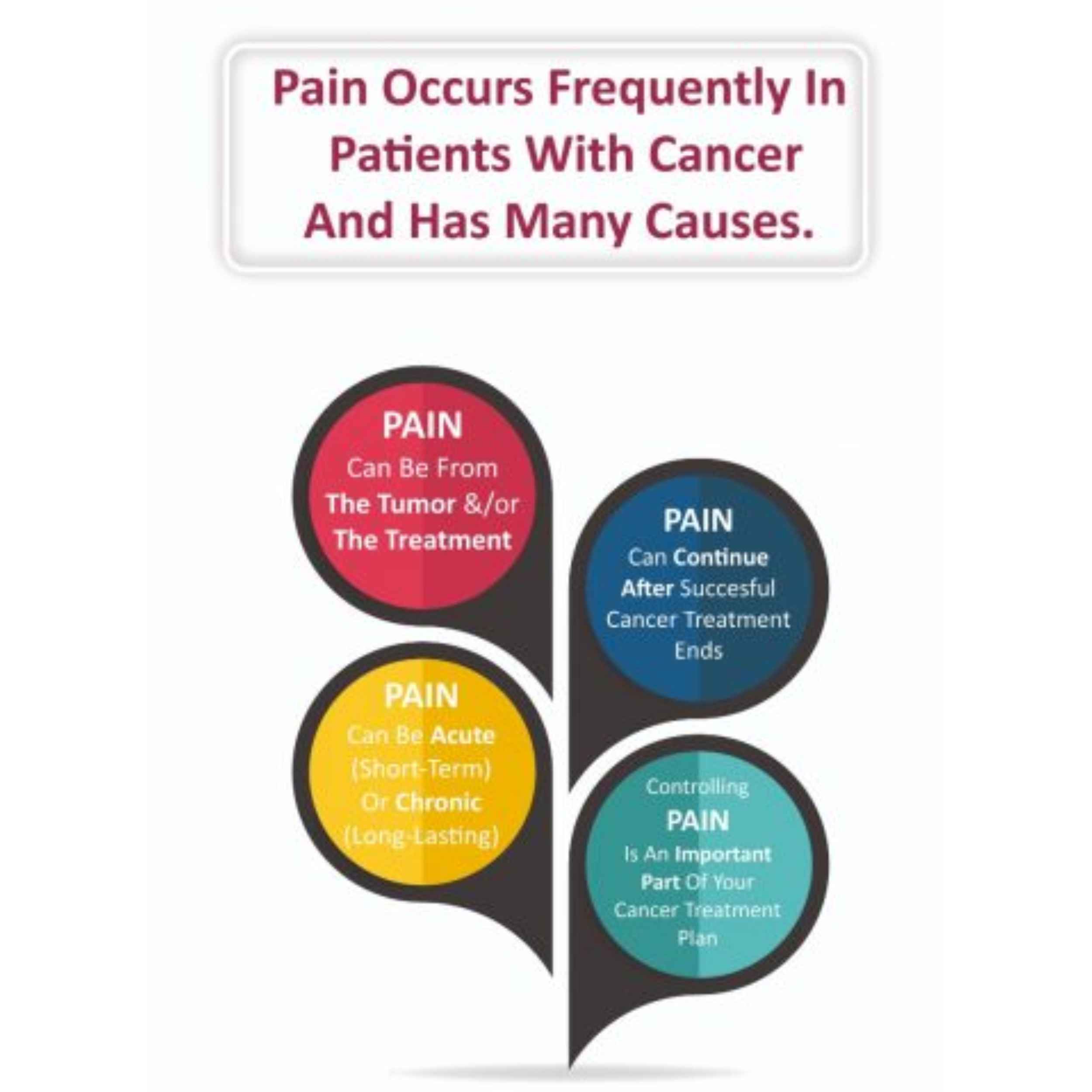
Cancer pain is one of the most common and distressing symptoms experienced by patients with cancer. It can result from the disease itself, its spread, or the treatments used to manage it. Proper pain management is essential for improving quality of life in cancer patients.
Understanding Cancer pain:
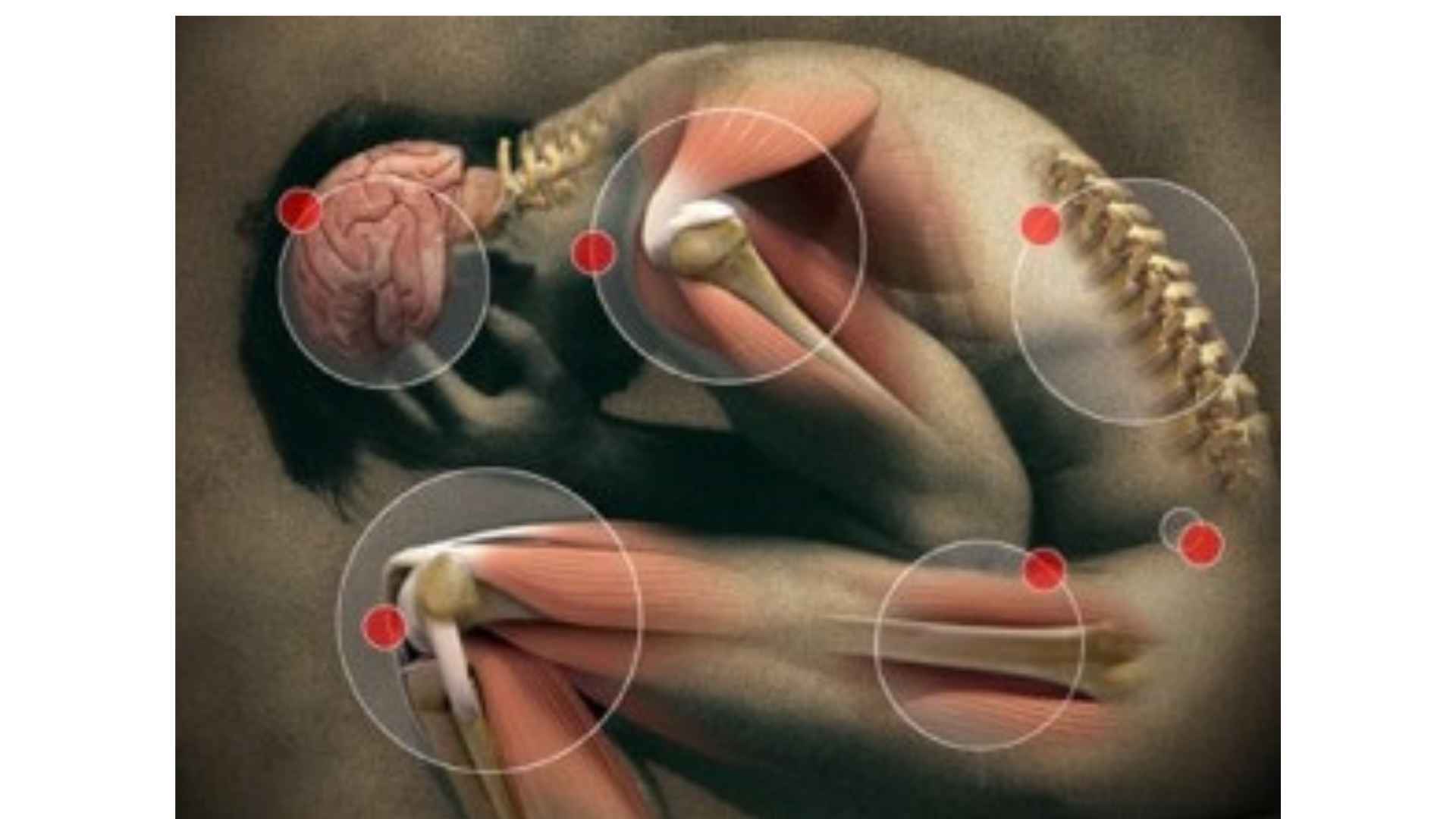
Cancer pain can vary in intensity, duration, and type. It may be constant or intermittent, mild or severe, localized or widespread. Pain perception also differs from person to person depending on physical, emotional, and psychological factors.
Types
- Acute Pain – Sudden, short-term pain due to surgery, diagnostic procedures, or cancer-related injury.
- Chronic Pain – Persistent pain lasting for weeks or months, often caused by tumor growth or metastasis.
- Nociceptive Pain – Due to tissue damage (bone, muscle, organ involvement).
- Neuropathic Pain – Caused by nerve damage due to tumor compression or chemotherapy.
- Breakthrough Pain – Sudden flare-ups of pain despite ongoing pain medication.
Causes & Symptoms:
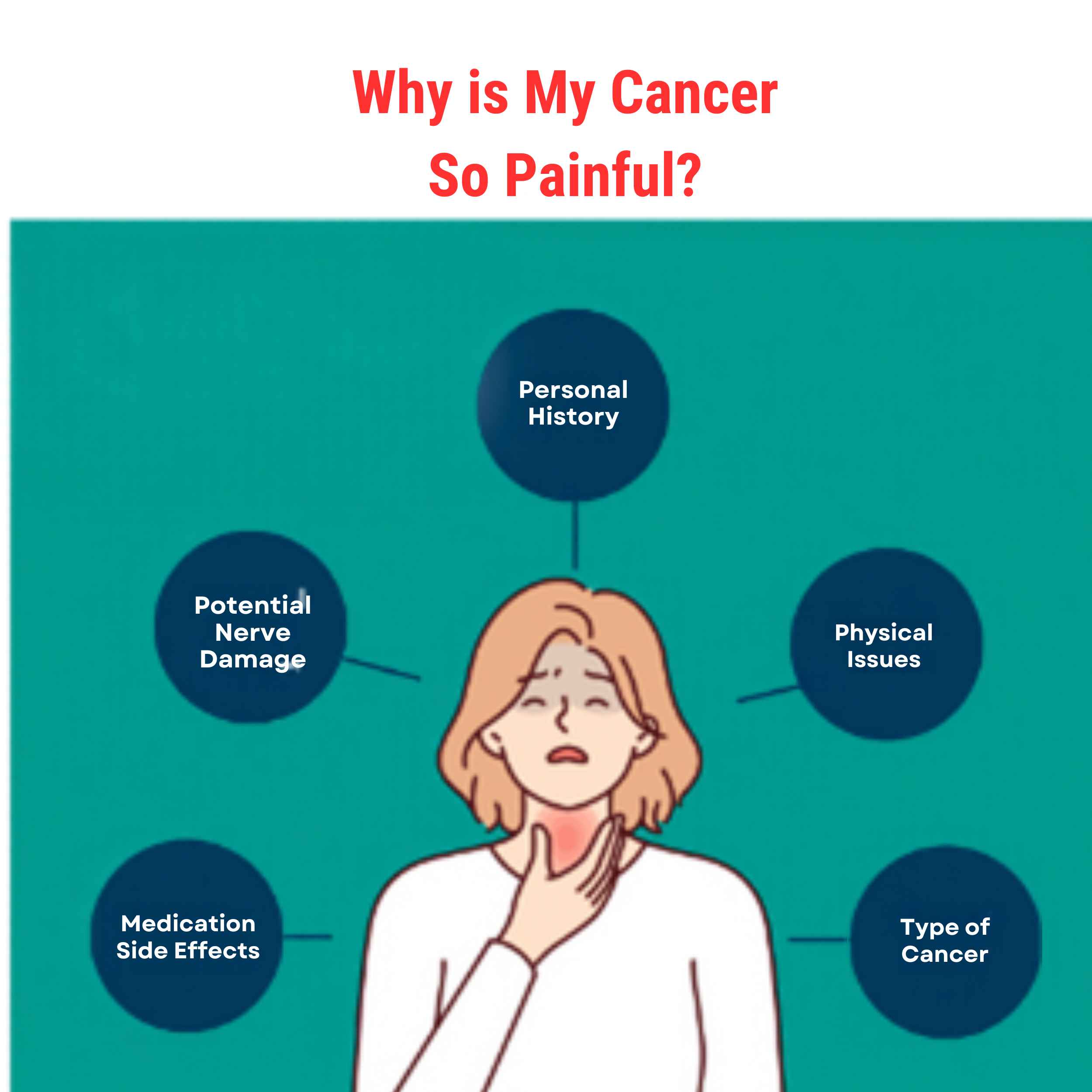
Causes:
- Tumor pressing on bones, nerves, or organs
- Metastasis (spread of cancer to bones or other tissues)
- Cancer treatments (chemotherapy, radiation, surgery)
- Infections or inflammation
Symptoms:
- Persistent or intermittent pain
- Burning, stabbing, or throbbing sensations
- Increased pain at night or with movement
- Weakness, numbness, or tingling (if nerves are affected)
Complications:
- Reduced mobility and daily activity
- Sleep disturbances
- Emotional issues – anxiety, depression, irritability
- Weakness and fatigue
- Poor appetite and weight loss
- Lowered quality of life
Diagnosis :
Diagnosis involves:
- Clinical history – Nature, duration, and severity of pain
- Physical examination – To identify tender or affected areas
- Imaging (X-ray, MRI, CT, PET scan) – To detect tumor growth or metastasis
- Blood tests – To identify complications like infections or bone involvement
- Pain assessment scales – To evaluate pain intensity (e.g., Visual Analogue Scale)
Benefits of Homoeopathic Treatment
1. Individualised Care: Homoeopathy recognizes that each person is unique. A homoeopath will assess your symptoms, medical history, and lifestyle to prescribe a personalised treatment plan tailored to your needs.
2. Gentle and Natural: Homoeopathic remedies are derived from natural substances and are known for their minimal side effects. They work in harmony with the body, promoting self-healing and overall well-being.
3. Holistic Approach: Homoeopathy takes into account not only the physical symptoms but also the emotional and mental aspects of an individual. It aims to restore balance at all levels, providing comprehensive care.
4. Long-Term Relief: By addressing the underlying causes of Hyperacidity, homoeopathy strives to achieve long-term relief and improved quality of life.
Homeopathy and Cancer Pain :
Homeopathy aims to provide gentle, safe, and supportive management of cancer pain alongside conventional treatment. Remedies are selected based on the individual’s physical, mental, and emotional symptoms.
Commonly indicated remedies include:
- Arsenicum album – Burning pain with restlessness and anxiety.
- Phosphorus – Pain with weakness, bleeding tendency, and emotional sensitivity.
- Belladonna – Sudden, intense, throbbing pain.
- Ruta graveolens – Bone pain and soreness.
- Hypericum perforatum – Nerve pain after surgery or trauma.
- Conium maculatum – Glandular swelling with stinging pain.
Consulting a Homeopath:
Consulting a professional Sanjivani homoeopath is essential for an accurate diagnosis and personalised treatment plan. Sanjivani Homoeopaths take a holistic approach, considering the patient's overall health, lifestyle, and specific triggers. They select remedies based on individual symptoms.
Sanjivani Homeopathy Clinic USP
- No homoeopathy Dietary Restrictions:
Allows patients to enjoy foods like onion, garlic, and coffee, ensuring a stress-free treatment journey.
- 24/7 Online Consultations:
Enables convenient access to doctors with detailed counseling, history management, and follow-ups.
- Highly Skilled Team:
Experienced BHMS and MD doctors, supported by multilingual and professional staff.
- Patient-Centric Care:
Simplifies treatment with modern, adaptable solutions and clear communication.
Click Here for Detailed "Sanjivani USP"
FAQ's
- What is homoeopathy ?
Homoeopathy is a holistic science which belives in the law of Similia Similibus Curenter i.e Like Cures Like .It was discovered by Dr Samuel Christian Hahnemannn in 1796.
- Is there any side effects of homoeopathy?
As homoeopathic medicines are made from natural substances this medicines have no side effects and are completely safe to consume
- Is there any diet restriction to take homoeopathic medicines?
There are no diet restrictions for homoeopathic medicines. One should only avoid eating or drinking any liquid other than water at least 30 minutes before and after taking homoeopathic medicines.
Click Here for "Frequently Asked Questions."
Conclusion
Cancer pain is a serious and challenging problem that significantly impacts patients’ physical and emotional well-being. Early identification, accurate diagnosis, and a holistic approach to treatment are crucial. Homeopathy, as a supportive therapy, can help in managing pain, improving comfort, and enhancing overall quality of life when used alongside conventional medical care.
Disclaimer: The information provided in this blog is for educational purposes only and should not be considered medical advice. Please consult with a qualified healthcare professional before starting any treatment for cancer pain or any other medical condition.

