
Introduction
Astrocytoma is a type of brain tumor that originates in astrocytes, the star-shaped cells found in the brain and spinal cord. These cells are part of the glial tissue, which supports and protects neurons. Astrocytomas fall under the broader category of gliomas and can range from slow-growing (low-grade) to aggressive (high-grade) forms. The severity and treatment vary based on the tumor's grade, location, and size. Astrocytomas can affect both children and adults, but their presentation and progression differ across age groups.
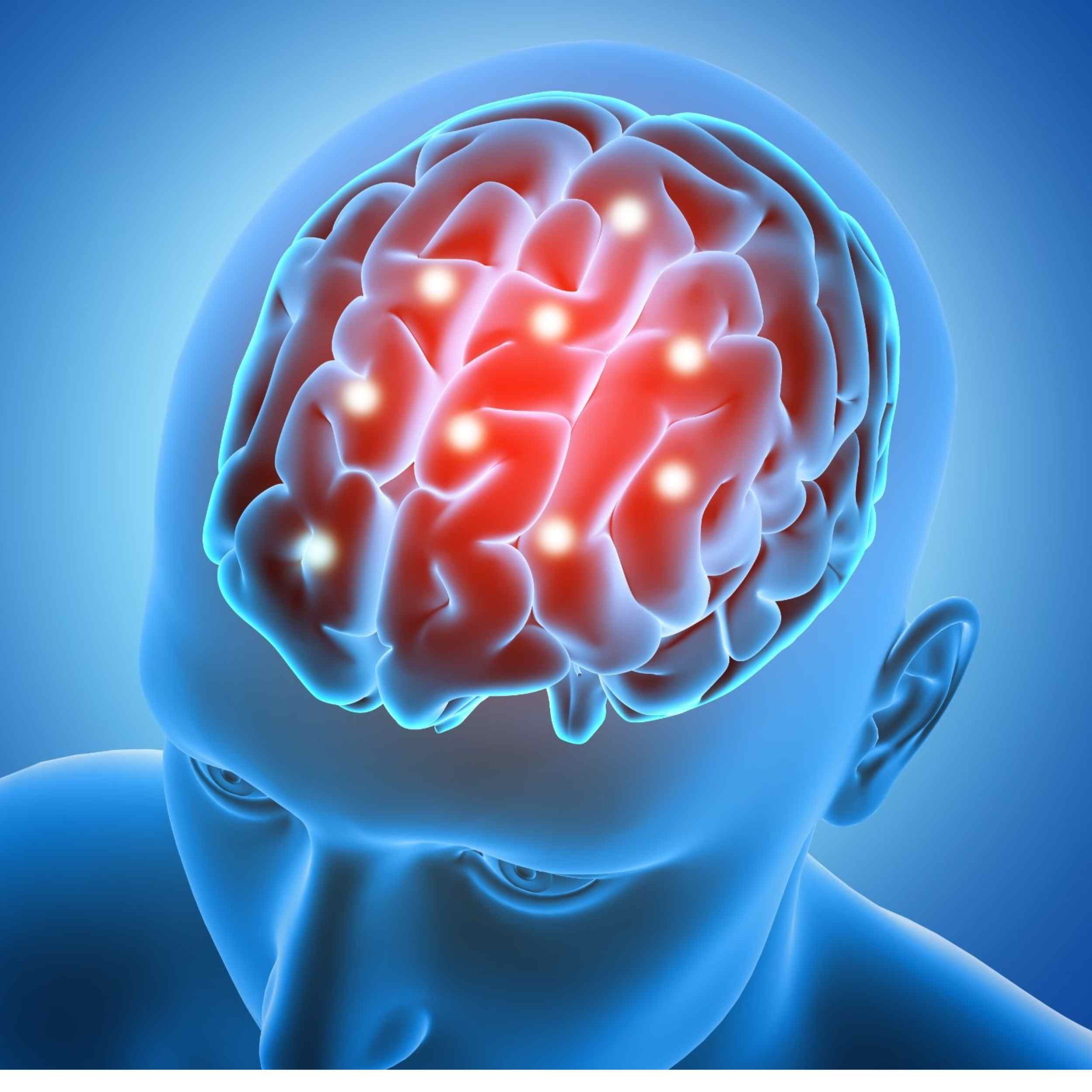
Understanding Astrocytoma :
Astrocytomas develop when astrocytes undergo abnormal growth and multiplication. These tumors can occur anywhere in the central nervous system but are most commonly found in the brain. Based on their growth rate and malignancy, astrocytomas are classified by the World Health Organization (WHO) into four grades:
Grade I (Pilocytic Astrocytoma) – Benign, slow-growing, usually in children.
Grade II (Diffuse Astrocytoma) – Slow-growing but can progress to higher grades.
Grade III (Anaplastic Astrocytoma) – Malignant, faster-growing.
Grade IV (Glioblastoma Multiforme) – Highly aggressive and most deadly.
Astrocytomas can infiltrate surrounding tissues, making complete surgical removal challenging in higher grades.
Causes & Symptoms:
Causes:
The exact cause of astrocytoma is not fully understood, but several factors may contribute, including:
- Genetic mutations or inherited genetic conditions (e.g., Li-Fraumeni syndrome, neurofibromatosis type 1)
- Environmental exposures (e.g., radiation)
- Cellular damage from oxidative stress or inflammation
Symptoms:
Symptoms depend on the tumor’s size, location, and rate of growth. Common symptoms include:
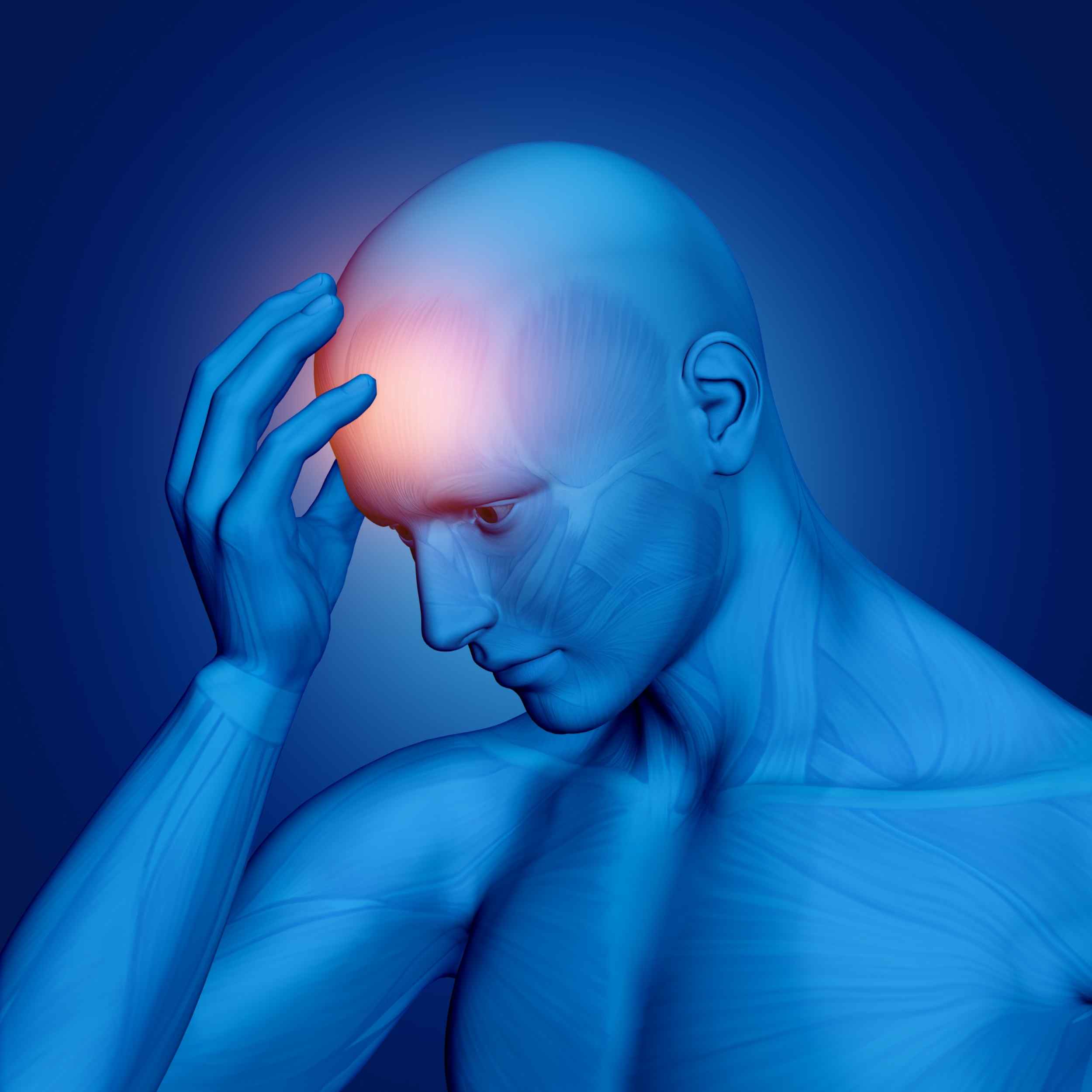
- Persistent headaches
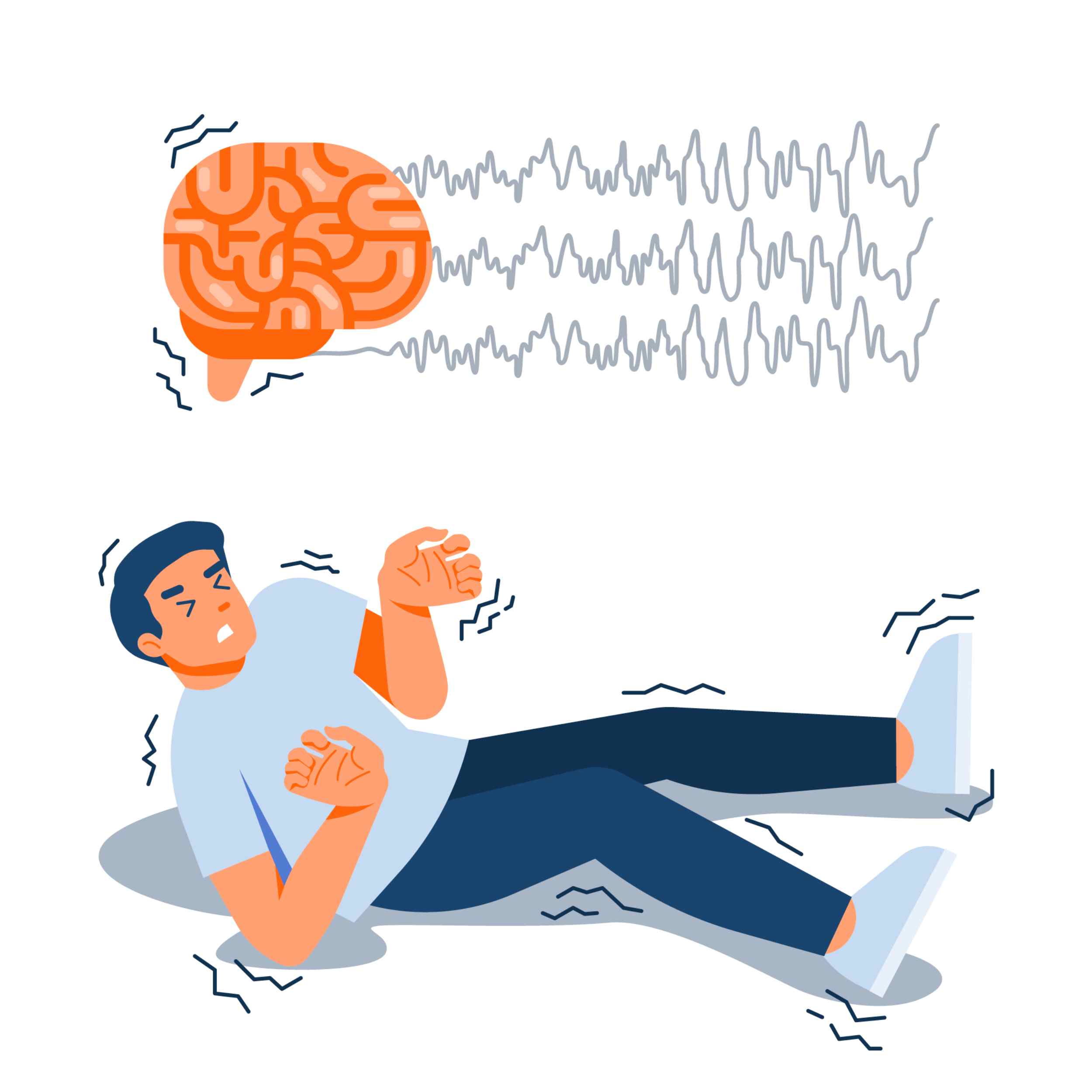
- Seizures
- Nausea and vomiting
- Changes in personality or behavior
- Cognitive or memory problems
- Vision or speech difficulties
- Weakness or numbness in parts of the body
Risk Factors:
While anyone can develop astrocytoma, certain factors may increase the risk:
- Age: Some types occur more often in children, others in adults.
- Gender: Males are slightly more affected than females.
- Family History: Genetic syndromes or a family history of brain tumors.
- Radiation Exposure: Previous exposure to ionizing radiation, particularly to the head.
- Immune System Disorders: Individuals with compromised immunity may be at higher risk.
Complications:
Astrocytomas can lead to several complications, including:
- Neurological Damage: Pressure or infiltration of brain tissue can impair functions.
- Hydrocephalus: Tumors may block cerebrospinal fluid flow, causing swelling in the brain.
- Seizures: A common and recurring issue in many patients.
- Recurrence: Even after treatment, astrocytomas may return or progress to higher grades.
- Cognitive Impairment: Especially in high-grade tumors or post-treatment effects.
- Reduced Life Expectancy: Particularly in high-grade tumors like glioblastoma.
Diagnosis :
A comprehensive diagnosis involves:
- Neurological Exam: To assess balance, vision, reflexes, etc.
- Imaging Tests: MRI is the gold standard. CT scans may also be used.
- Biopsy: A tissue sample taken during surgery or via needle to confirm tumor type and grade.
- Molecular Testing: Helps determine genetic mutations for personalized treatment planning.
- Lumbar Puncture: Occasionally done to check for cancer cells in cerebrospinal fluid.
Benefits of Homoeopathic Treatment
1. Individualised Care: Homoeopathy recognizes that each person is unique. A homoeopath will assess your symptoms, medical history, and lifestyle to prescribe a personalised treatment plan tailored to your needs.
2. Gentle and Natural: Homoeopathic remedies are derived from natural substances and are known for their minimal side effects. They work in harmony with the body, promoting self-healing and overall well-being.
3. Holistic Approach: Homoeopathy takes into account not only the physical symptoms but also the emotional and mental aspects of an individual. It aims to restore balance at all levels, providing comprehensive care.
4. Long-Term Relief: By addressing the underlying causes of Hyperacidity, homoeopathy strives to achieve long-term relief and improved quality of life.
Homeopathy for Astrocytoma :
Homeopathy, a system of alternative medicine, offers supportive care for astrocytoma, particularly in managing symptoms, improving quality of life, and reducing side effects of conventional treatments like chemotherapy or radiation.
Commonly used remedies:
- Conium maculatum – For vertigo, weakness, and hard glandular swellings.
- Calcarea phosphorica – For brain tumors in children and general debility.
- Phosphorus – For visual disturbances and nervous exhaustion.
- Belladonna – For acute headache and intracranial pressure symptoms.
- Ruta graveolens – Often used post-surgery for tissue healing.
Consulting a Homeopath:
If you are seeking homoeopathic treatment for Astrocytoma, it is essential to consult with a qualified and experienced homoeopath. At Sanjivani Homeopathy Clinic, our team of skilled homoeopaths will conduct a thorough evaluation, considering your symptoms, medical history, and individual characteristics to develop a personalised treatment plan.
Sanjivani Homeopathy Clinic USP
- No homoeopathy Dietary Restrictions:
Allows patients to enjoy foods like onion, garlic, and coffee, ensuring a stress-free treatment journey.
- 24/7 Online Consultations:
Enables convenient access to doctors with detailed counseling, history management, and follow-ups.
- Highly Skilled Team:
Experienced BHMS and MD doctors, supported by multilingual and professional staff.
- Patient-Centric Care:
Simplifies treatment with modern, adaptable solutions and clear communication.
Click Here for Detailed "Sanjivani USP"
FAQ's
- What is homoeopathy ?
Homoeopathy is a holistic science which belives in the law of Similia Similibus Curenter i.e Like Cures Like .It was discovered by Dr Samuel Christian Hahnemannn in 1796.
- Is there any side effects of homoeopathy?
As homoeopathic medicines are made from natural substances this medicines have no side effects and are completely safe to consume
- Is there any diet restriction to take homoeopathic medicines?
There are no diet restrictions for homoeopathic medicines. One should only avoid eating or drinking any liquid other than water at least 30 minutes before and after taking homoeopathic medicines.
Click Here for "Frequently Asked Questions."
Conclusion
Astrocytoma is a complex and varied type of brain tumor that can range from manageable to life-threatening. Early detection and accurate grading are crucial for appropriate treatment planning. While conventional treatment includes surgery, radiation, and chemotherapy, supportive care through homeopathy and other integrative therapies may enhance well-being. It’s vital for patients and families to work closely with a multidisciplinary medical team to ensure the best possible outcome. Ongoing research offers hope for better therapies and improved survival rates in the future.
Disclaimer : The information provided in this blog is for educational purposes only and should not be considered medical advice. Please consult with a qualified healthcare professional before starting any treatment for astrocytoma or any other medical condition.

