
Introduction
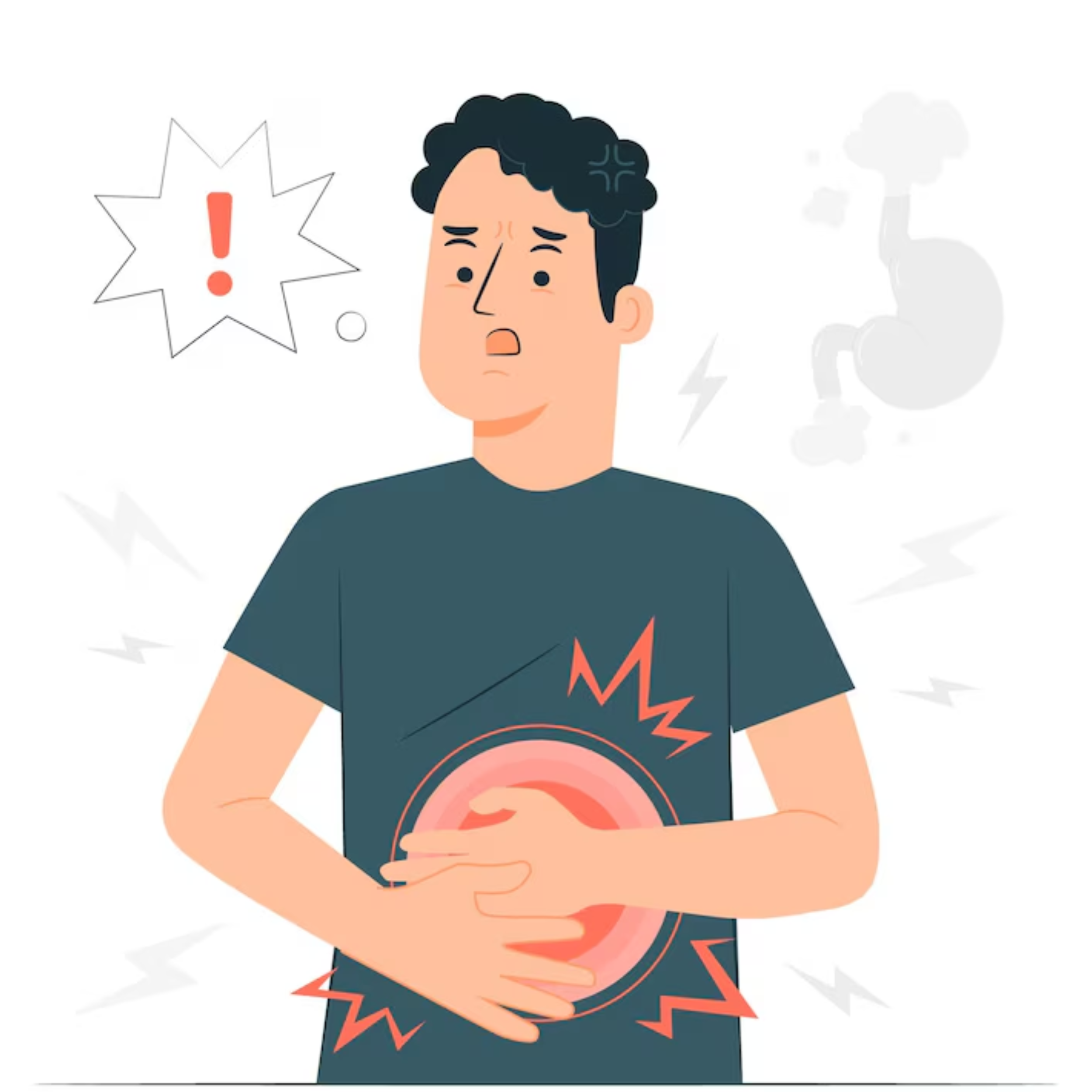
Acid peptic disease (APD) refers to a group of disorders characterized by damage to the gastrointestinal lining due to the excessive secretion of gastric acid and pepsin. This acid damage can lead to the formation of ulcers in the stomach or duodenum, commonly known as peptic ulcers. APD primarily includes conditions like gastritis, peptic ulcers, and gastroesophageal reflux disease (GERD). These conditions are widely prevalent and can significantly affect a person’s quality of life, but with proper treatment and lifestyle changes, they are manageable.
Understanding Acid Peptic Disease:
Acid peptic disease occurs when the stomach's protective mechanisms fail to protect the lining of the gastrointestinal tract from the aggressive actions of gastric acid. Normally, the stomach is protected by a layer of mucus, bicarbonate, and other defences, but when these mechanisms are impaired or when acid production is excessive, it leads to inflammation and ulcers. Peptic ulcers can occur in the stomach (gastric ulcers) or the duodenum (duodenal ulcers), with duodenal ulcers being more common. GERD, a condition where acid flows back into the esophagus, can also be considered a form of acid peptic disease.
Causes & Symptoms:
Causes:
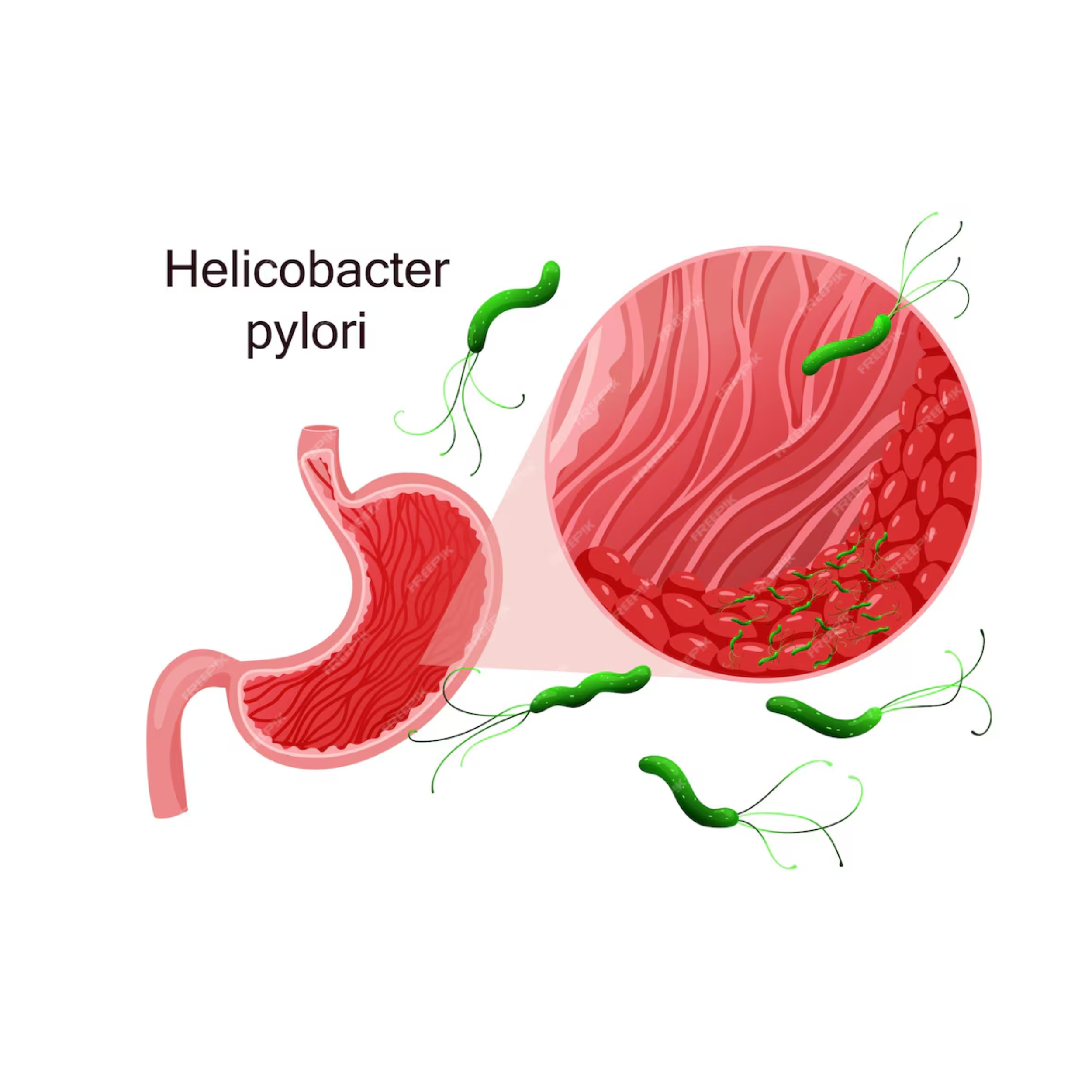
- Helicobacter pylori Infection: This bacterium is one of the primary causes of peptic ulcers. It weakens the stomach's mucosal lining, allowing acid to damage the tissue.
- Excessive Use of Nonsteroidal Anti-Inflammatory Drugs (NSAIDs): Regular or long-term use of NSAIDs like aspirin or ibuprofen can irritate the stomach lining, making it vulnerable to acid.
- Excessive Alcohol Consumption: Alcohol can increase acid production and damage the mucosal lining of the stomach and esophagus.

- Stress: While stress doesn't directly cause ulcers, it can increase acid production, which may aggravate existing ulcers.

- Smoking: Smoking reduces the production of bicarbonate, a substance that helps neutralize stomach acid, thereby promoting the formation of ulcers.
- Genetics: Family history can play a role in susceptibility to acid peptic diseases.
Symptoms:
- Burning stomach pain: This is the most common symptom, often described as a gnawing or hunger-like pain.

- Nausea or vomiting: Some individuals may experience nausea or even vomiting, especially when the ulcer irritates the stomach lining.

- Bloating: A feeling of fullness or bloating is common after meals.
- Acid reflux: A sour taste in the mouth, heartburn, and regurgitation of stomach contents.
- Loss of appetite: This often occurs due to the discomfort of eating, especially with gastric ulcers.
- Dark stools or vomiting blood: These could indicate bleeding ulcers and require immediate medical attention.
Risk Factors:
Several factors increase the likelihood of developing acid peptic disease, including:
- Age: While acid peptic disease can affect people of all ages, it is more common in older adults due to the natural decline in mucosal protection.
- Family History: A genetic predisposition can increase the risk, particularly for those with a family history of ulcers or gastrointestinal issues.
- Lifestyle Factors: Excessive alcohol consumption, smoking, and a diet high in spicy or fatty foods can increase the risk.
- Medications: Long-term use of NSAIDs, corticosteroids, or other drugs that irritate the stomach lining can increase susceptibility.
- Chronic stress: High levels of stress can exacerbate acid production in the stomach, leading to inflammation or ulcers.
Complications:
If left untreated, acid peptic disease can lead to several complications, including:
- Gastric bleeding: Ulcers can erode blood vessels, causing bleeding that may lead to vomiting blood or passing dark, tarry stools.
- Perforation: A serious complication where an ulcer creates a hole in the stomach or duodenal wall, leading to infection and peritonitis (infection of the abdominal cavity).
- Gastric obstruction: Ulcers can cause swelling or scarring in the stomach or duodenum, leading to blockage that prevents food from moving through the digestive tract.
- Chronic pain: Recurrent or persistent pain can significantly affect a person’s quality of life.
- Increased risk of cancer: In rare cases, long-standing, untreated ulcers, especially those caused by Helicobacter pylori infection, can increase the risk of developing gastric cancer.
Diagnosis :
To diagnose acid peptic disease, doctors typically perform:
Physical Examination: The doctor may press on the abdomen to check for tenderness or signs of bloating.
Endoscopy: A thin tube with a camera is inserted into the stomach through the mouth to look for ulcers, inflammation, or bleeding.
Helicobacter pylori Tests: Tests such as blood tests, stool tests, or breath tests can detect the presence of H. pylori bacteria.
Barium Swallow X-ray: In some cases, a series of X-rays after swallowing a contrast medium may be used to visualize the upper gastrointestinal tract.
Blood Tests: To check for anemia (which could indicate internal bleeding) or signs of infection.
Benefits of Homoeopathic Treatment
1. Individualised Care: Homoeopathy recognizes that each person is unique. A homoeopath will assess your symptoms, medical history, and lifestyle to prescribe a personalised treatment plan tailored to your needs.
2. Gentle and Natural: Homoeopathic remedies are derived from natural substances and are known for their minimal side effects. They work in harmony with the body, promoting self-healing and overall well-being.
3. Holistic Approach: Homoeopathy takes into account not only the physical symptoms but also the emotional and mental aspects of an individual. It aims to restore balance at all levels, providing comprehensive care.
4. Long-Term Relief: By addressing the underlying causes of Hyperacidity, homoeopathy strives to achieve long-term relief and improved quality of life.
Homeopathy for Acid Peptic Disease:
To diagnose acid peptic disease, doctors typically perform:
Homeopathy is a complementary treatment approach that aims to stimulate the body’s natural healing processes. Several homeopathic remedies may help alleviate the symptoms of acid peptic disease, though these should be used under professional guidance. Some of the remedies include:
Nux Vomica: Often recommended for individuals who have acid reflux, heartburn, or indigestion, especially after overeating or alcohol consumption.
Arsenicum Album: Used for individuals with burning pain in the stomach, nausea, and a feeling of restlessness.
Carbo Veg: This remedy is beneficial for those experiencing bloating, indigestion, and a feeling of heaviness in the stomach.
Natrum Phos: Often used to address acid reflux and heartburn, especially if the individual is prone to excessive acidity.
Phosphorus: Helpful for individuals with ulcers that lead to burning pain and the feeling of intense thirst.
Consulting a Homeopath
If you are seeking homoeopathic treatment for Acid peptic disease, it is essential to consult with a qualified and experienced homoeopath. At Sanjivani Homeopathy Clinic, our team of skilled homoeopaths will conduct a thorough evaluation, considering your symptoms, medical history, and individual characteristics to develop a personalised treatment plan.
Sanjivani Homeopathy Clinic USP
- No homoeopathy Dietary Restrictions:
Allows patients to enjoy foods like onion, garlic, and coffee, ensuring a stress-free treatment journey.
- 24/7 Online Consultations:
Enables convenient access to doctors with detailed counseling, history management, and follow-ups.
- Highly Skilled Team:
Experienced BHMS and MD doctors, supported by multilingual and professional staff.
- Patient-Centric Care:
Simplifies treatment with modern, adaptable solutions and clear communication.
Click Here for Detailed "Sanjivani USP"
FAQ's
- What is homoeopathy ?
Homoeopathy is a holistic science which belives in the law of Similia Similibus Curenter i.e Like Cures Like .It was discovered by Dr Samuel Christian Hahnemannn in 1796.
- Is there any side effects of homoeopathy?
As homoeopathic medicines are made from natural substances this medicines have no side effects and are completely safe to consume
- Is there any diet restriction to take homoeopathic medicines?
There are no diet restrictions for homoeopathic medicines. One should only avoid eating or drinking any liquid other than water at least 30 minutes before and after taking homoeopathic medicines.
Click Here for "Frequently Asked Questions."
Conclusion
Homoeopathic remedies offer a holistic approach to managing acid peptic disease by not only addressing the symptoms but also focusing on the root causes of the condition. By considering the individual's unique constitution, lifestyle, and emotional state, homoeopathy aims to stimulate the body's innate healing abilities, helping to restore balance in the digestive system. Unlike conventional treatments, which often focus on symptom suppression, homoeopathy seeks to promote long-term digestive health and well-being. Sanjivani homoeopathy can be a valuable complementary option in managing acid peptic disease, providing relief from discomfort and supporting overall gastrointestinal health, all without the need for restrictive diets. This approach allows for a more personalized, sustainable way to manage the condition, fostering lasting improvement and quality of life.
Disclaimer : The information provided in this blog is for educational purposes only and should not be considered medical advice. Please consult with a qualified healthcare professional before starting any treatment for acid peptic disease or any other medical condition.

