
Introduction
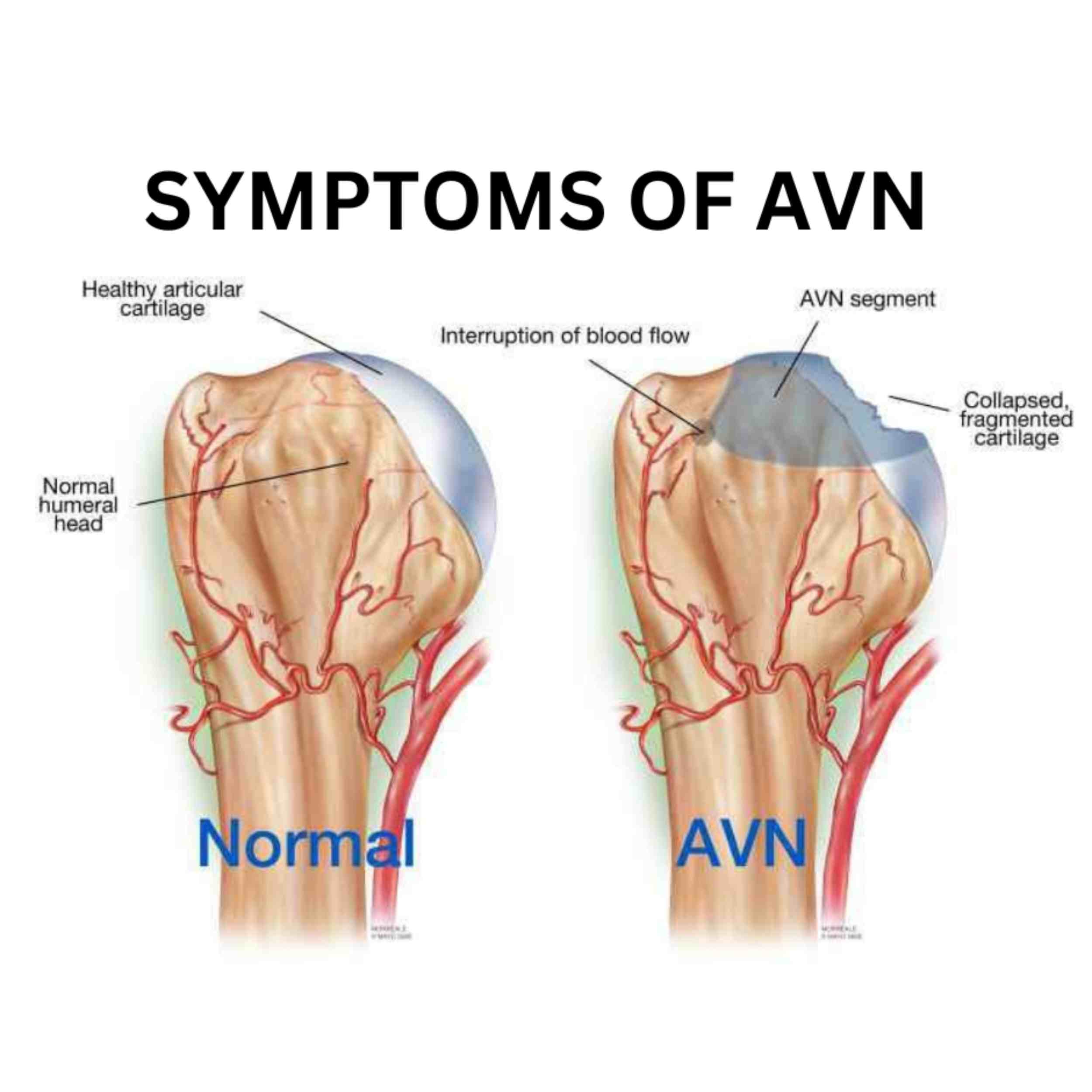
Avascular Necrosis (AVN) of the femur is a condition in which the blood supply to the femoral head (the upper part of the thigh bone that fits into the hip joint) is disrupted. Due to lack of blood flow, bone tissue gradually dies, leading to collapse of the femoral head and arthritis of the hip joint if untreated.
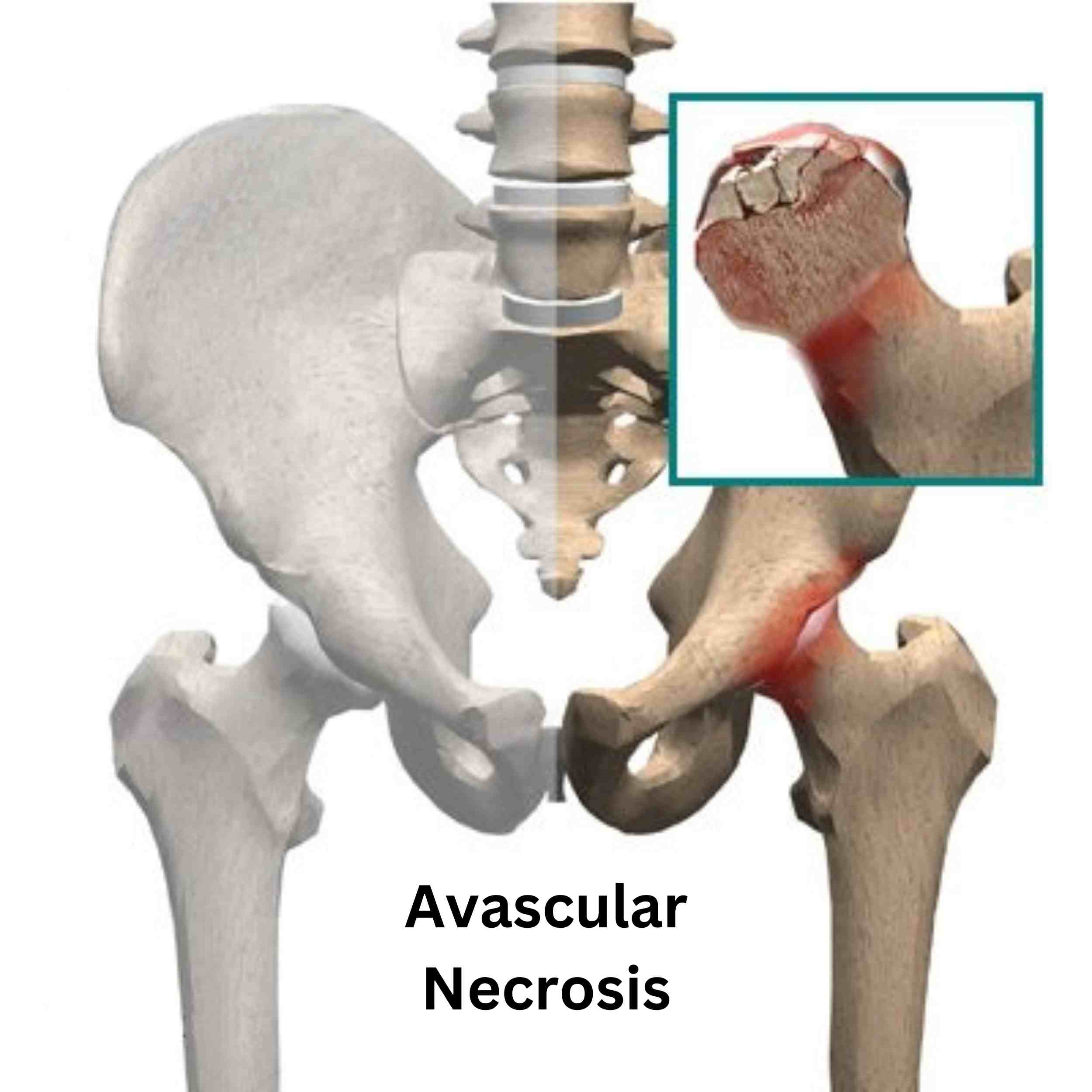
Understanding Avascular Necrosis (AVN):
The femoral head requires a continuous blood supply to remain healthy. When circulation is reduced or blocked, the bone becomes weak and loses its strength. Over time, this results in joint pain, stiffness, and restricted mobility. AVN is also known as osteonecrosis, ischemic necrosis, or aseptic necrosis.
Types
- Traumatic AVN – occurs after hip fractures, dislocation, or injuries that damage blood vessels.
- Non-traumatic AVN – develops without injury, often associated with medical conditions or long-term medication use.
Causes & Symptoms:
Causes:
- Injury or fracture of the femur
- Long-term steroid use
- Excessive alcohol consumption
- Sickle cell anemia and other blood disorders
- Radiation or chemotherapy
- Idiopathic (unknown cause)
Symptoms:
- Pain in the hip, groin, thigh, or buttock
- Pain increases with walking or weight-bearing
- Stiffness and reduced movement of the hip joint
- In later stages, pain even at rest
Complications:
- Collapse of femoral head
- Severe osteoarthritis of the hip joint
- Chronic pain and disability
- Need for hip replacement surgery if untreated
Diagnosis :
Diagnosis involves:
- X-ray: Shows bone changes in advanced stages
- MRI scan: Detects early AVN before X-ray changes
- CT scan: Provides detailed bone structure
- Bone scan: Assesses blood flow and bone activity
Benefits of Homoeopathic Treatment
1. Individualised Care: Homoeopathy recognizes that each person is unique. A homoeopath will assess your symptoms, medical history, and lifestyle to prescribe a personalised treatment plan tailored to your needs.
2. Gentle and Natural: Homoeopathic remedies are derived from natural substances and are known for their minimal side effects. They work in harmony with the body, promoting self-healing and overall well-being.
3. Holistic Approach: Homoeopathy takes into account not only the physical symptoms but also the emotional and mental aspects of an individual. It aims to restore balance at all levels, providing comprehensive care.
4. Long-Term Relief: By addressing the underlying causes of Hyperacidity, homoeopathy strives to achieve long-term relief and improved quality of life.
Homeopathy for Avascular Necrosis (AVN):
Homeopathy aims to improve blood circulation, reduce pain, and prevent further bone damage. Remedies are selected based on individual symptoms and constitution. Some useful medicines include:
- Symphytum officinale: Helps in bone regeneration and healing.
- Calcarea phosphorica: Strengthens weak bones and aids recovery.
- Silicea: For slow healing of bone conditions.
- Arnica montana: Relieves pain, soreness, and effects of injury.
- Phosphorus: For AVN due to steroid use or blood-related issues.
Homeopathy works best in early to moderate stages, along with lifestyle modifications like physiotherapy, avoiding alcohol/steroids, and weight management.
Consulting a Homeopath:
Consulting a professional Sanjivani homoeopath is essential for an accurate diagnosis and personalised treatment plan. Sanjivani Homoeopaths take a holistic approach, considering the patient's overall health, lifestyle, and specific asthma triggers. They select remedies based on individual symptoms and constitutional types, aiming to provide long-term relief.
Sanjivani Homeopathy Clinic USP
- No homoeopathy Dietary Restrictions:
Allows patients to enjoy foods like onion, garlic, and coffee, ensuring a stress-free treatment journey.
- 24/7 Online Consultations:
Enables convenient access to doctors with detailed counseling, history management, and follow-ups.
- Highly Skilled Team:
Experienced BHMS and MD doctors, supported by multilingual and professional staff.
- Patient-Centric Care:
Simplifies treatment with modern, adaptable solutions and clear communication.
Click Here for Detailed "Sanjivani USP"
FAQ's
- What is homoeopathy ?
Homoeopathy is a holistic science which belives in the law of Similia Similibus Curenter i.e Like Cures Like .It was discovered by Dr Samuel Christian Hahnemannn in 1796.
- Is there any side effects of homoeopathy?
As homoeopathic medicines are made from natural substances this medicines have no side effects and are completely safe to consume
- Is there any diet restriction to take homoeopathic medicines?
There are no diet restrictions for homoeopathic medicines. One should only avoid eating or drinking any liquid other than water at least 30 minutes before and after taking homoeopathic medicines.
Click Here for "Frequently Asked Questions."
Conclusion
Avascular Necrosis of the femur is a progressive condition that can severely impact mobility and quality of life if not managed properly. Early diagnosis is crucial to prevent collapse of the femoral head. Homeopathic treatment, along with proper care, can help reduce pain, improve bone health, and delay or avoid surgery in many cases.
Disclaimer: The information provided in this blog is for educational purposes only and should not be considered medical advice. Please consult with a qualified healthcare professional before starting any treatment for avascular necrosis of femur or any other medical condition.

