
Introduction
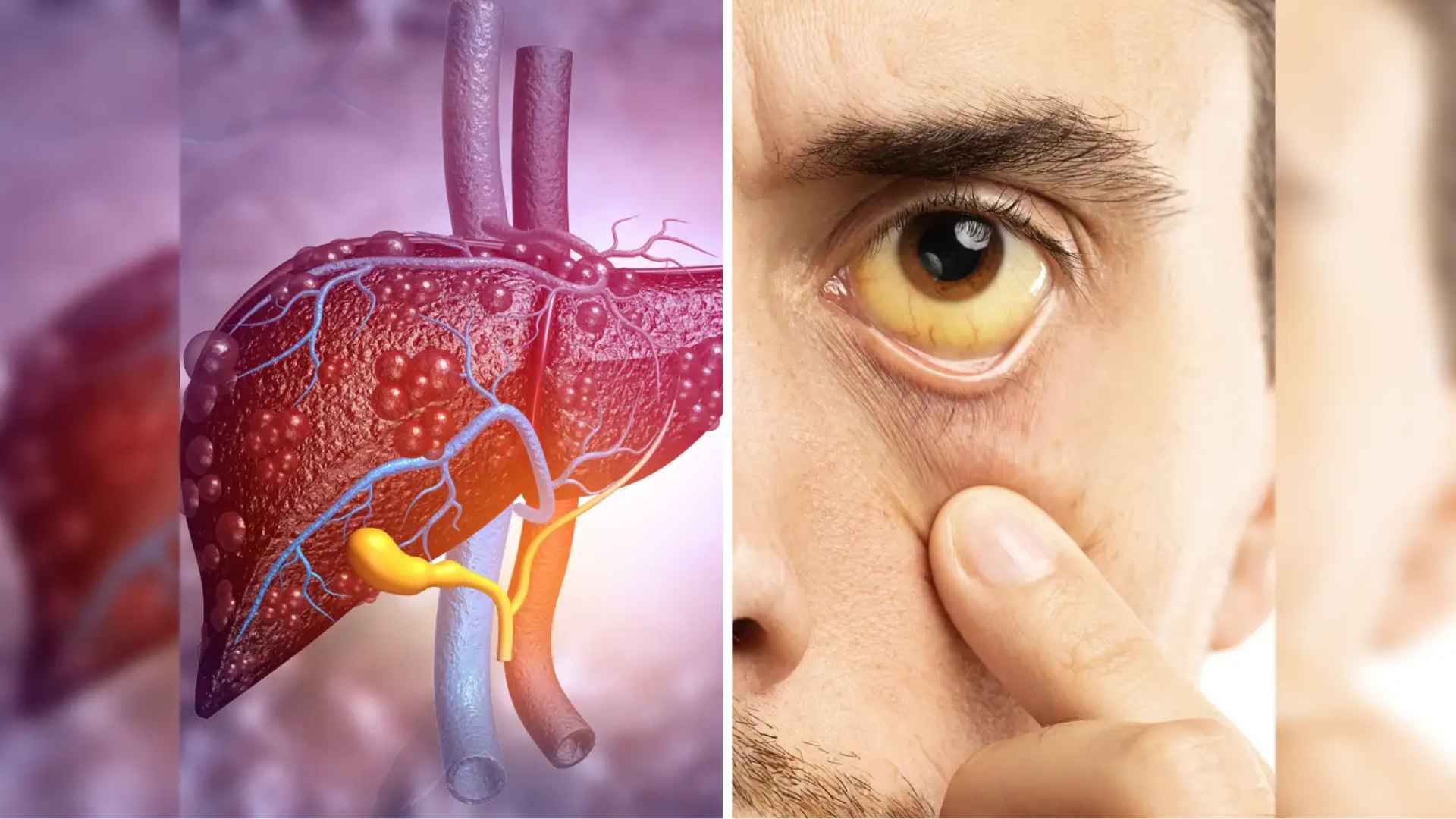
Autoimmune Hepatitis (AIH) is a chronic liver disease in which the body’s immune system mistakenly attacks healthy liver cells, leading to inflammation and possible liver damage. If left untreated, it can progress to cirrhosis and liver failure.
Understanding Autoimmune Hepatitis :
Normally, the immune system protects the body from harmful bacteria, viruses, and toxins. In AIH, the immune system becomes overactive and targets the liver. The exact reason for this self-attack is not completely understood, but it’s believed to be due to a combination of genetic and environmental factors.
Types of Autoimmune Hepatitis
- Type 1 AIH – The most common form, can occur at any age, more frequent in women.
- Type 2 AIH – Less common, usually affects children or young adults, and can be more severe.
Causes & Symptoms:
Causes:
- Genetic predisposition
- Environmental triggers (infections, medications, toxins)
- Hormonal influences
Symptoms:
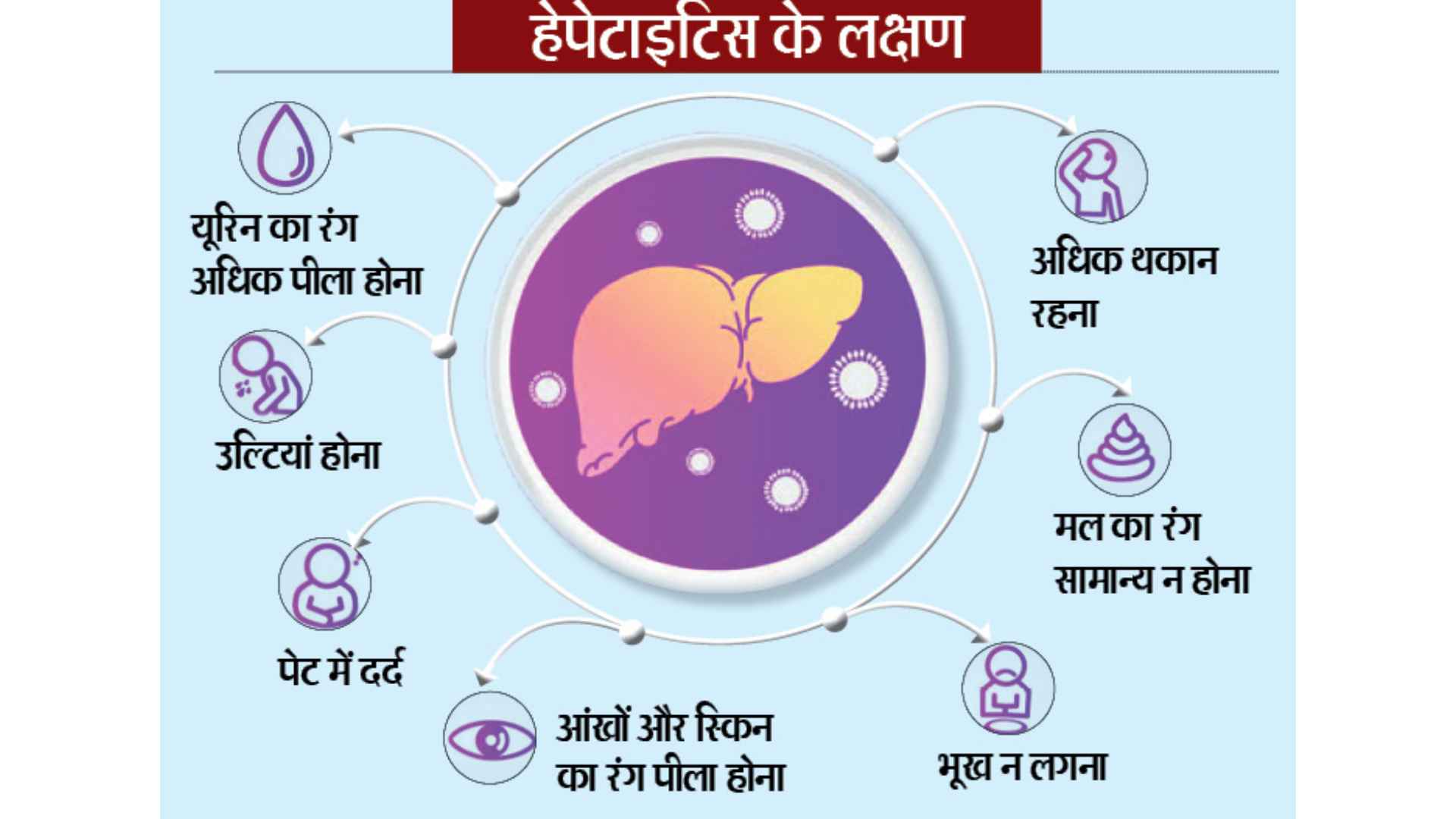
- Fatigue
- Abdominal discomfort (mainly in the upper right side)
- Jaundice (yellowing of eyes and skin)
- Joint pain
- Nausea
- Loss of appetite
- In advanced cases: swelling in legs or abdomen
Complications:
- If untreated, AIH can lead to:
- Cirrhosis (scarring of the liver)
- Liver failure
- Portal hypertension (increased pressure in the liver’s blood vessels)
- Increased risk of liver cancer
Diagnosis :
Diagnosis is made through:
- Blood tests (liver function tests, autoantibody tests)
- Imaging (ultrasound, CT scan) to rule out other liver diseases
- Liver biopsy to confirm inflammation and liver cell damage
Benefits of Homoeopathic Treatment
1. Individualised Care: Homoeopathy recognizes that each person is unique. A homoeopath will assess your symptoms, medical history, and lifestyle to prescribe a personalised treatment plan tailored to your needs.
2. Gentle and Natural: Homoeopathic remedies are derived from natural substances and are known for their minimal side effects. They work in harmony with the body, promoting self-healing and overall well-being.
3. Holistic Approach: Homoeopathy takes into account not only the physical symptoms but also the emotional and mental aspects of an individual. It aims to restore balance at all levels, providing comprehensive care.
4. Long-Term Relief: By addressing the underlying causes of Hyperacidity, homoeopathy strives to achieve long-term relief and improved quality of life.
Homeopathy and Autoimmune Hepatitis :
Homeopathy aims to strengthen the immune system, reduce inflammation, and improve liver function naturally. Remedies are selected based on the patient’s symptoms, constitution, and overall health. Along with lifestyle changes and proper diet, homeopathy can help manage AIH and improve quality of life.
Homoeopathic Medicines
1. Chelidonium majus
Key indications:
- Liver enlargement and congestion
- Pain in the right upper abdomen, sometimes extending to the right shoulder blade
- Jaundice
- Bitter taste in the mouth
- Yellow-coated tongue
- Digestive complaints associated with liver disorders
2. Carduus marianus
Key indications:
- Liver inflammation and congestion
- Fatty liver
- Jaundice
- Tenderness over the liver
- Nausea with liver complaints
- Associated gallbladder symptoms
3. Lycopodium clavatum
Key indications:
- Chronic liver disorders
- Bloating and excessive gas, especially after meals
- Right-sided abdominal complaints
- Poor digestion
- Symptoms worse between 4–8 PM
4. Nux vomica
Key indications:
- Liver complaints associated with sedentary lifestyle
- Digestive disturbances
- Nausea
- Constipation
- Sensitivity to rich food, alcohol, coffee, or spicy foods
- Irritable temperament
5. Phosphorus
Key indications:
- Degenerative liver conditions
- Fatty degeneration of the liver
- Easy bleeding tendency
- Marked weakness and fatigue
- Burning sensations
- Increased thirst for cold drinks
6. Mercurius solubilis
Key indications:
- Liver tenderness
- Jaundice
- Profuse perspiration
- Excessive salivation
- Symptoms worse at night
- General glandular involvement
7. China officinalis (Cinchona)
Key indications:
- Weakness after prolonged illness
- Anemia
- Flatulence and abdominal distension
- Exhaustion
- Slow recovery after liver disease
8. Sulphur
Key indications:
- Chronic liver disorders
- Skin itching associated with liver disease
- Heat sensation
- Burning of palms and soles
- Used constitutionally in chronic cases when indicated by the overall symptom picture
9. Natrum sulphuricum
Key indications:
- Liver disorders aggravated by damp weather
- Bilious complaints
- Jaundice
- Bitter taste
- Loose stools in the morning
10. Bryonia alba
Key indications:
- Liver inflammation with stitching pain
- Pain aggravated by the slightest movement
- Dry mouth with intense thirst
- Constipation
- Irritability
Consulting a Homeopath:
Consulting a professional Sanjivani homoeopath is essential for an accurate diagnosis and personalised treatment plan. Sanjivani Homoeopaths take a holistic approach, considering the patient's overall health, lifestyle, and specific asthma triggers. They select remedies based on individual symptoms and constitutional types, aiming to provide long-term relief and prevent future asthma attacks.
Sanjivani Homeopathy Clinic USP
- No homoeopathy Dietary Restrictions:
Allows patients to enjoy foods like onion, garlic, and coffee, ensuring a stress-free treatment journey.
- 24/7 Online Consultations:
Enables convenient access to doctors with detailed counseling, history management, and follow-ups.
- Highly Skilled Team:
Experienced BHMS and MD doctors, supported by multilingual and professional staff.
- Patient-Centric Care:
Simplifies treatment with modern, adaptable solutions and clear communication.
Click Here for Detailed "Sanjivani USP"
FAQ's
- What is homoeopathy ?
Homoeopathy is a holistic science which belives in the law of Similia Similibus Curenter i.e Like Cures Like .It was discovered by Dr Samuel Christian Hahnemannn in 1796.
- Is there any side effects of homoeopathy?
As homoeopathic medicines are made from natural substances this medicines have no side effects and are completely safe to consume
- Is there any diet restriction to take homoeopathic medicines?
There are no diet restrictions for homoeopathic medicines. One should only avoid eating or drinking any liquid other than water at least 30 minutes before and after taking homoeopathic medicines.
Click Here for "Frequently Asked Questions."
Conclusion
Autoimmune Hepatitis is a serious but manageable condition if diagnosed early and treated properly. Regular monitoring, healthy lifestyle choices, and personalized treatment (including homeopathy) can help prevent complications and maintain liver health.
Disclaimer: The information provided in this blog is for educational purposes only and should not be considered medical advice. Please consult with a qualified healthcare professional before starting any treatment for Autoimmune hepatitis or any other medical condition.

