
Introduction
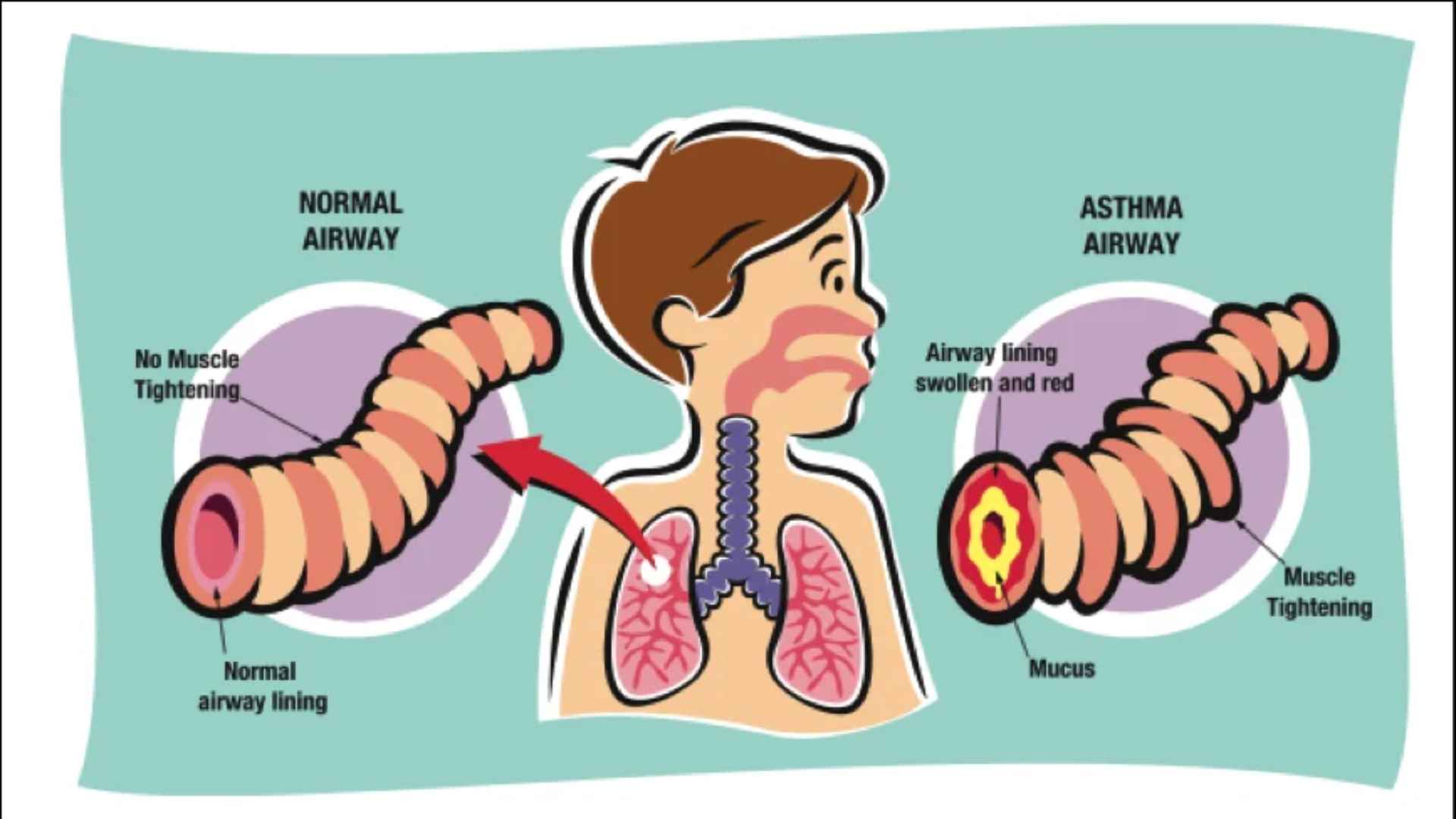
Asthma is a chronic respiratory condition that affects the airways (bronchi), causing them to become inflamed, narrowed, and overly sensitive. In children, asthma is one of the most common chronic illnesses and may significantly impact daily activities, school attendance, and quality of life if not managed properly.
Understanding :
Asthma in children is characterized by episodes of wheezing, breathlessness, chest tightness, and coughing, especially at night or early in the morning. The severity may range from mild to severe and can be triggered by allergens, infections, weather changes, or exercise.
Causes & Symptoms:
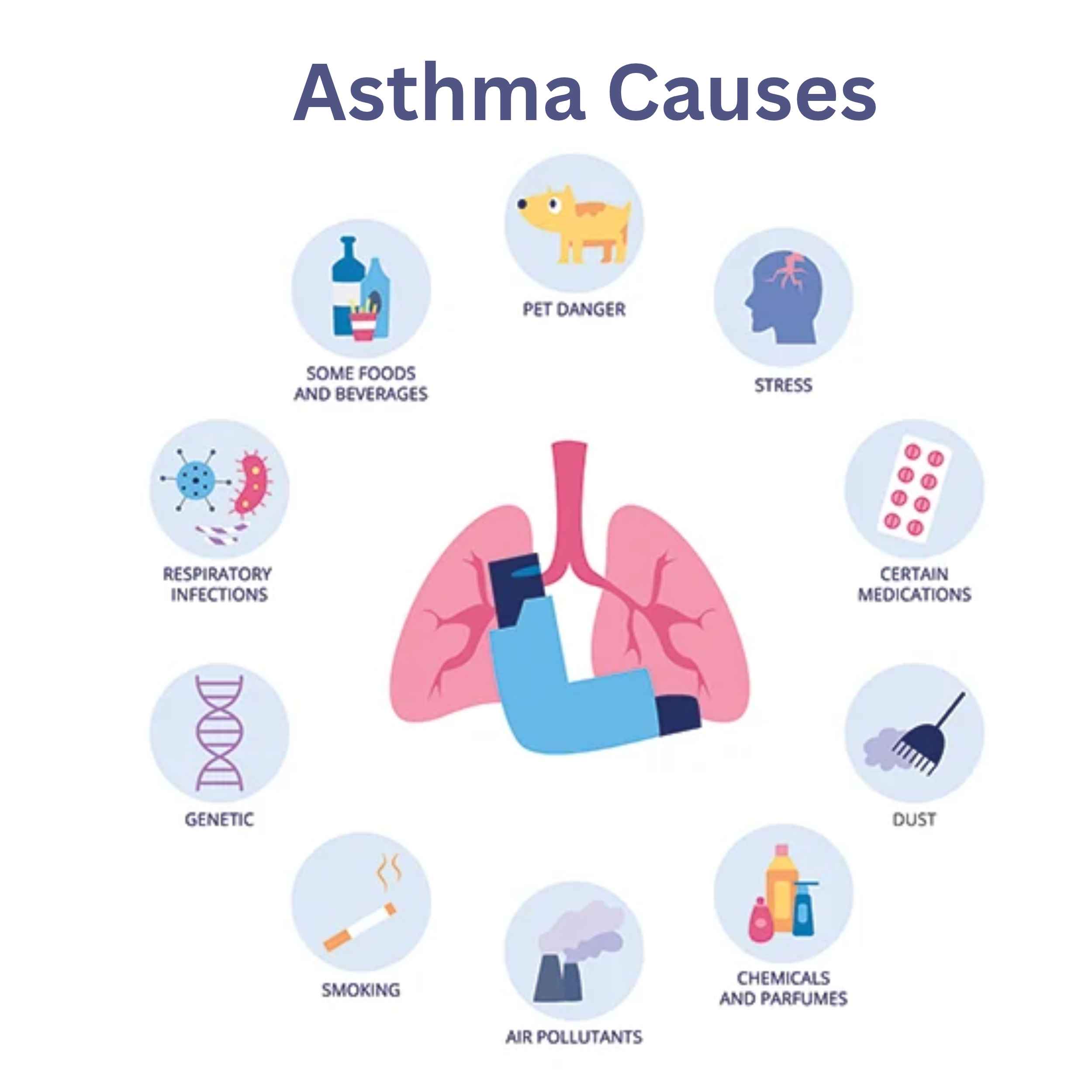
Causes:
- Allergens: Dust, pollen, mold, pet dander.
- Respiratory infections (colds, flu).
- Environmental irritants: Smoke, pollution, strong odors.
- Physical activity (exercise-induced asthma).
- Weather changes (cold air, humidity).
- Emotional stress.
Symptoms:
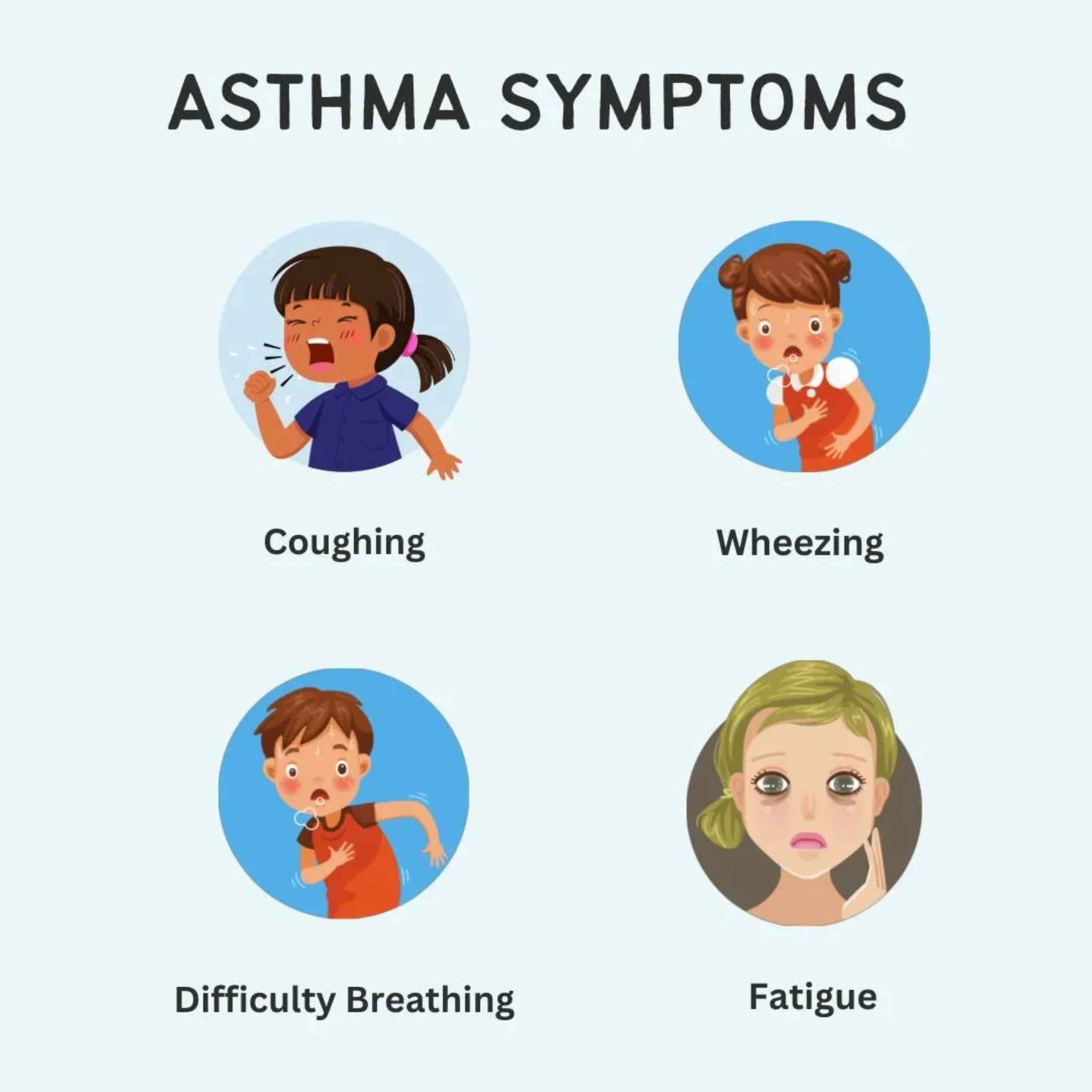
- Frequent coughing (especially at night).
- Wheezing (whistling sound while breathing).
- Shortness of breath or rapid breathing.
- Chest tightness or pain.
- Tiredness and difficulty sleeping due to breathing problems.
Risk Factors :
- Family history of asthma, allergies, or eczema.
- Premature birth or low birth weight.
- Exposure to tobacco smoke (during pregnancy or childhood).
- Living in polluted or urban environments.
- Frequent respiratory infections.
Complications:
- Frequent hospital visits and emergency care.
- Absenteeism from school and reduced physical activity.
- Sleep disturbances affecting growth and development.
- Severe asthma attacks that can be life-threatening.
- Long-term lung function impairment if not controlled.
Diagnosis :
- Medical history and symptom review.
- Physical examination (listening to breathing).
- Lung function tests (spirometry, peak flow meter – for children usually above 5 years).
- Allergy testing to identify triggers.
Benefits of Homoeopathic Treatment
1. Individualised Care: Homoeopathy recognizes that each person is unique. A homoeopath will assess your symptoms, medical history, and lifestyle to prescribe a personalised treatment plan tailored to your needs.
2. Gentle and Natural: Homoeopathic remedies are derived from natural substances and are known for their minimal side effects. They work in harmony with the body, promoting self-healing and overall well-being.
3. Holistic Approach: Homoeopathy takes into account not only the physical symptoms but also the emotional and mental aspects of an individual. It aims to restore balance at all levels, providing comprehensive care.
4. Long-Term Relief: By addressing the underlying causes of Hyperacidity, homoeopathy strives to achieve long-term relief and improved quality of life.
Homeopathy and Child asthma:
Homeopathy aims at treating asthma by addressing the root cause, improving immunity, and reducing frequency and severity of attacks. Remedies are prescribed after considering the child’s physical, emotional, and environmental factors.
Commonly used remedies:
- Arsenicum Album: Wheezing, restlessness, asthma worse at night.
- Sambucus Nigra: Noisy breathing, sudden night attacks in children.
- Spongia Tosta: Dry, barking cough with breathing difficulty.
- Ipecacuanha: Constant cough with wheezing, nausea, and phlegm.
- Natrum Sulphuricum: Asthma triggered by damp or rainy weather.
Consulting a Homeopath:
If you are seeking homoeopathic treatment for Child asthma, it is essential to consult with a qualified and experienced homoeopath. At Sanjivani Homeopathy Clinic, our team of skilled homoeopaths will conduct a thorough evaluation, considering your symptoms, medical history, and individual characteristics to develop a personalised treatment plan.
Sanjivani Homeopathy Clinic USP
- No homoeopathy Dietary Restrictions:
Allows patients to enjoy foods like onion, garlic, and coffee, ensuring a stress-free treatment journey.
- 24/7 Online Consultations:
Enables convenient access to doctors with detailed counseling, history management, and follow-ups.
- Highly Skilled Team:
Experienced BHMS and MD doctors, supported by multilingual and professional staff.
- Patient-Centric Care:
Simplifies treatment with modern, adaptable solutions and clear communication.
Click Here for Detailed "Sanjivani USP"
FAQ's
- What is homoeopathy ?
Homoeopathy is a holistic science which belives in the law of Similia Similibus Curenter i.e Like Cures Like .It was discovered by Dr Samuel Christian Hahnemannn in 1796.
- Is there any side effects of homoeopathy?
As homoeopathic medicines are made from natural substances this medicines have no side effects and are completely safe to consume
- Is there any diet restriction to take homoeopathic medicines?
There are no diet restrictions for homoeopathic medicines. One should only avoid eating or drinking any liquid other than water at least 30 minutes before and after taking homoeopathic medicines.
Click Here for "Frequently Asked Questions."
Conclusion
Child asthma is a manageable condition with the right care, trigger avoidance, and holistic treatment. Early diagnosis, lifestyle adjustments, and appropriate treatment—whether conventional or homeopathic—can significantly improve a child’s quality of life. With proper guidance, most children with asthma can lead active, healthy lives.
Disclaimer: The information provided in this blog is for educational purposes only and should not be considered medical advice. Please consult with a qualified healthcare professional before starting any treatment for Child asthma or any other medical condition.

