
Introduction
Bacterial Vaginosis (BV) is a common vaginal condition caused by an imbalance in the normal bacterial flora of the vagina. Normally, Lactobacillus bacteria dominate and help maintain an acidic vaginal environment. In BV, harmful bacteria overgrow, leading to infection.
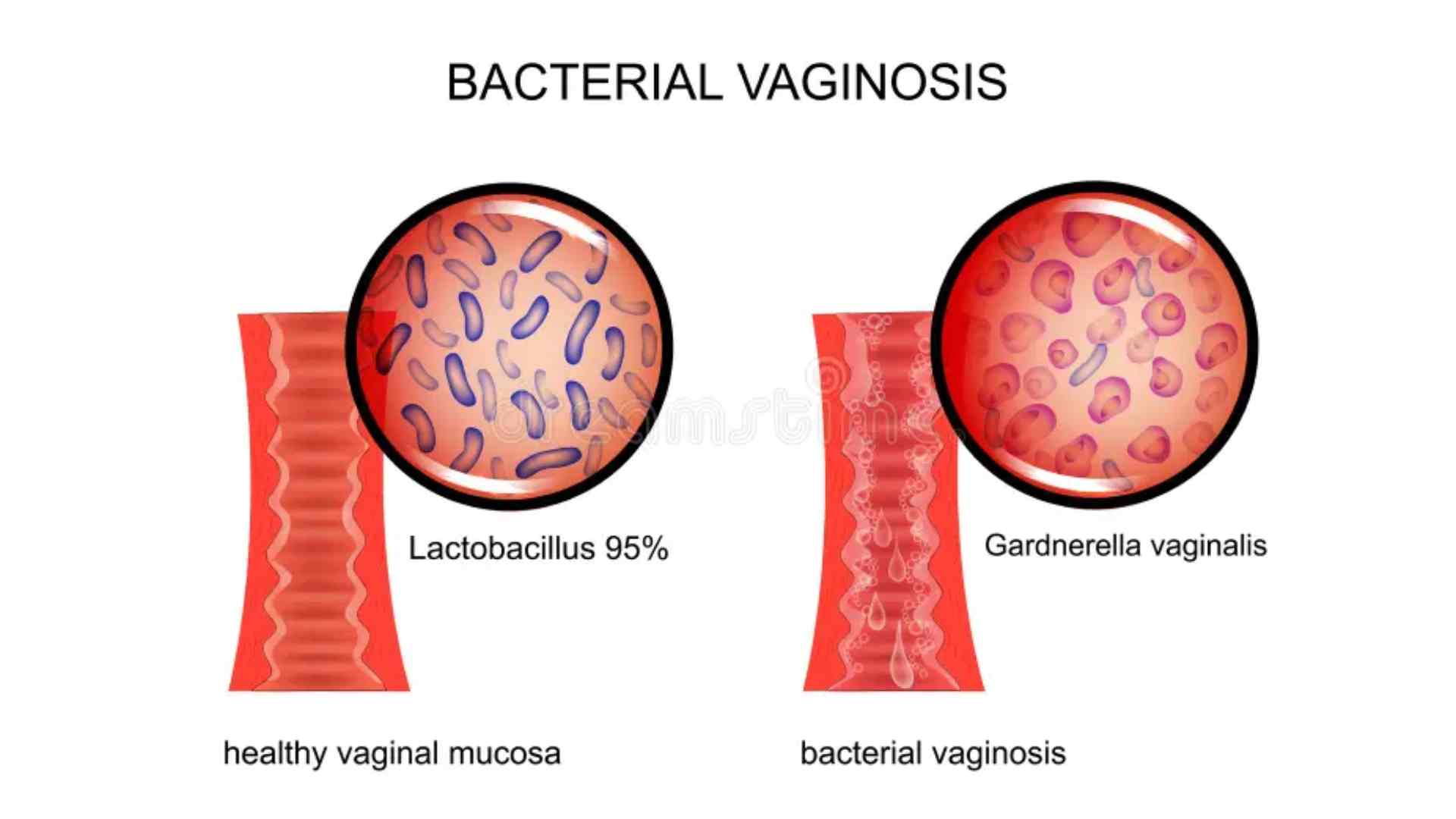
Understanding Bacterial Vaginosis (BV) :
BV is not considered a sexually transmitted infection (STI), but sexual activity can increase the risk.
It is the most common cause of abnormal vaginal discharge in women of reproductive age.
It occurs when the protective bacteria decrease, and anaerobic bacteria such as Gardnerella vaginalis overgrow.
Types
Bacterial Vaginosis does not have formal “types” like other conditions, but it can be classified based on:
- Acute BV – sudden symptoms with noticeable discharge.
- Recurrent BV – symptoms return frequently even after treatment.
- Asymptomatic BV – no noticeable symptoms, but imbalance is present.
Causes & Symptoms:
Causes:
- Reduction in normal lactobacilli.
- Overgrowth of anaerobic bacteria.
- Risk factors: multiple sexual partners, douching, smoking, intrauterine devices (IUDs).
Symptoms:
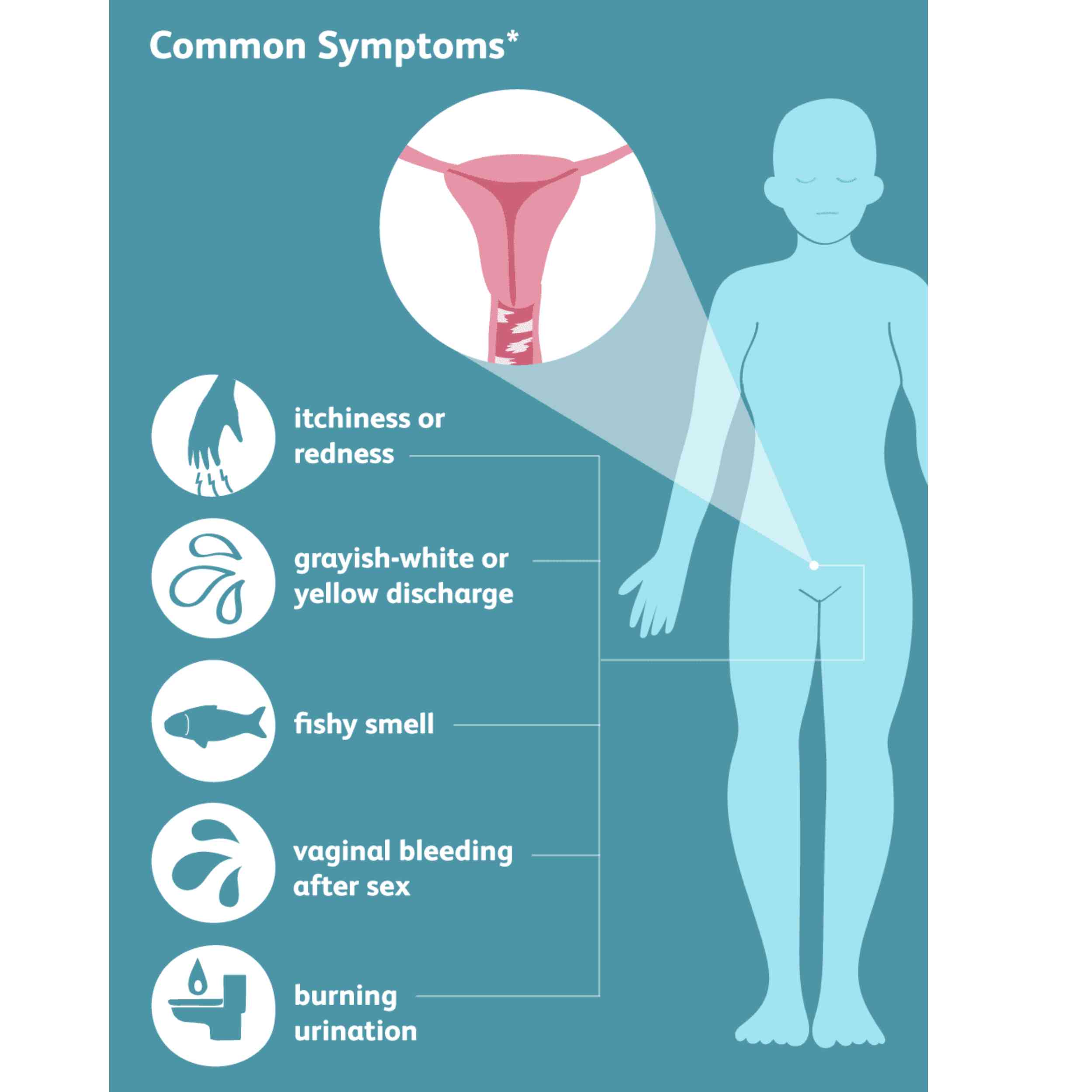
- Thin, grayish-white vaginal discharge.
- Foul, fishy odor (especially after intercourse).
- Vaginal itching or irritation (less common).
- Burning sensation during urination.
- Some women may have no symptoms.
Complications:
If untreated, BV can lead to:
- Increased risk of sexually transmitted infections (HIV, herpes, gonorrhea, chlamydia).
- Pelvic Inflammatory Disease (PID).
- Pregnancy complications (preterm delivery, low birth weight).
- Increased risk of post-surgical infections (after hysterectomy, abortion, etc.).
Diagnosis :
Diagnosis involves:
- History and physical examination.
- Microscopic examination of vaginal discharge (clue cells).
- Whiff test – strong fishy odor after adding potassium hydroxide (KOH) to the sample.
- pH test – vaginal pH above 4.5 suggests BV.
Benefits of Homoeopathic Treatment
1. Individualised Care: Homoeopathy recognizes that each person is unique. A homoeopath will assess your symptoms, medical history, and lifestyle to prescribe a personalised treatment plan tailored to your needs.
2. Gentle and Natural: Homoeopathic remedies are derived from natural substances and are known for their minimal side effects. They work in harmony with the body, promoting self-healing and overall well-being.
3. Holistic Approach: Homoeopathy takes into account not only the physical symptoms but also the emotional and mental aspects of an individual. It aims to restore balance at all levels, providing comprehensive care.
4. Long-Term Relief: By addressing the underlying causes of Hyperacidity, homoeopathy strives to achieve long-term relief and improved quality of life.
Homeopathy for Bacterial Vaginosis (BV):
Homoeopathy offers a holistic approach to BV by correcting the internal imbalance and improving immunity. Remedies are selected based on individual symptoms, constitution, and overall health. Some commonly indicated remedies include:
- Sepia – for offensive, fishy discharge with itching.
- Kreosotum – for foul-smelling, irritating discharge causing soreness.
- Pulsatilla – for thick, bland discharge, often with hormonal imbalance.
- Merc. sol. – for greenish, offensive discharge with burning.
Consulting a Homeopath:
Consulting a professional Sanjivani homoeopath is essential for an accurate diagnosis and personalised treatment plan. Sanjivani Homoeopaths take a holistic approach, considering the patient's overall health, lifestyle, and specific asthma triggers. They select remedies based on individual symptoms and constitutional types, aiming to provide long-term relief.
Sanjivani Homeopathy Clinic USP
- No homoeopathy Dietary Restrictions:
Allows patients to enjoy foods like onion, garlic, and coffee, ensuring a stress-free treatment journey.
- 24/7 Online Consultations:
Enables convenient access to doctors with detailed counseling, history management, and follow-ups.
- Highly Skilled Team:
Experienced BHMS and MD doctors, supported by multilingual and professional staff.
- Patient-Centric Care:
Simplifies treatment with modern, adaptable solutions and clear communication.
Click Here for Detailed "Sanjivani USP"
FAQ's
- What is homoeopathy ?
Homoeopathy is a holistic science which belives in the law of Similia Similibus Curenter i.e Like Cures Like .It was discovered by Dr Samuel Christian Hahnemannn in 1796.
- Is there any side effects of homoeopathy?
As homoeopathic medicines are made from natural substances this medicines have no side effects and are completely safe to consume
- Is there any diet restriction to take homoeopathic medicines?
There are no diet restrictions for homoeopathic medicines. One should only avoid eating or drinking any liquid other than water at least 30 minutes before and after taking homoeopathic medicines.
Click Here for "Frequently Asked Questions."
Conclusion
Bacterial Vaginosis is a common but manageable vaginal condition caused by an imbalance of natural flora. While conventional treatment involves antibiotics, recurrence is common. Homoeopathy provides a safe, natural, and holistic approach by addressing the root cause, improving vaginal health, and preventing recurrence.
Disclaimer: The information provided in this blog is for educational purposes only and should not be considered medical advice. Please consult with a qualified healthcare professional before starting any treatment for bacterial vaginosis or any other medical condition.

