
Introduction
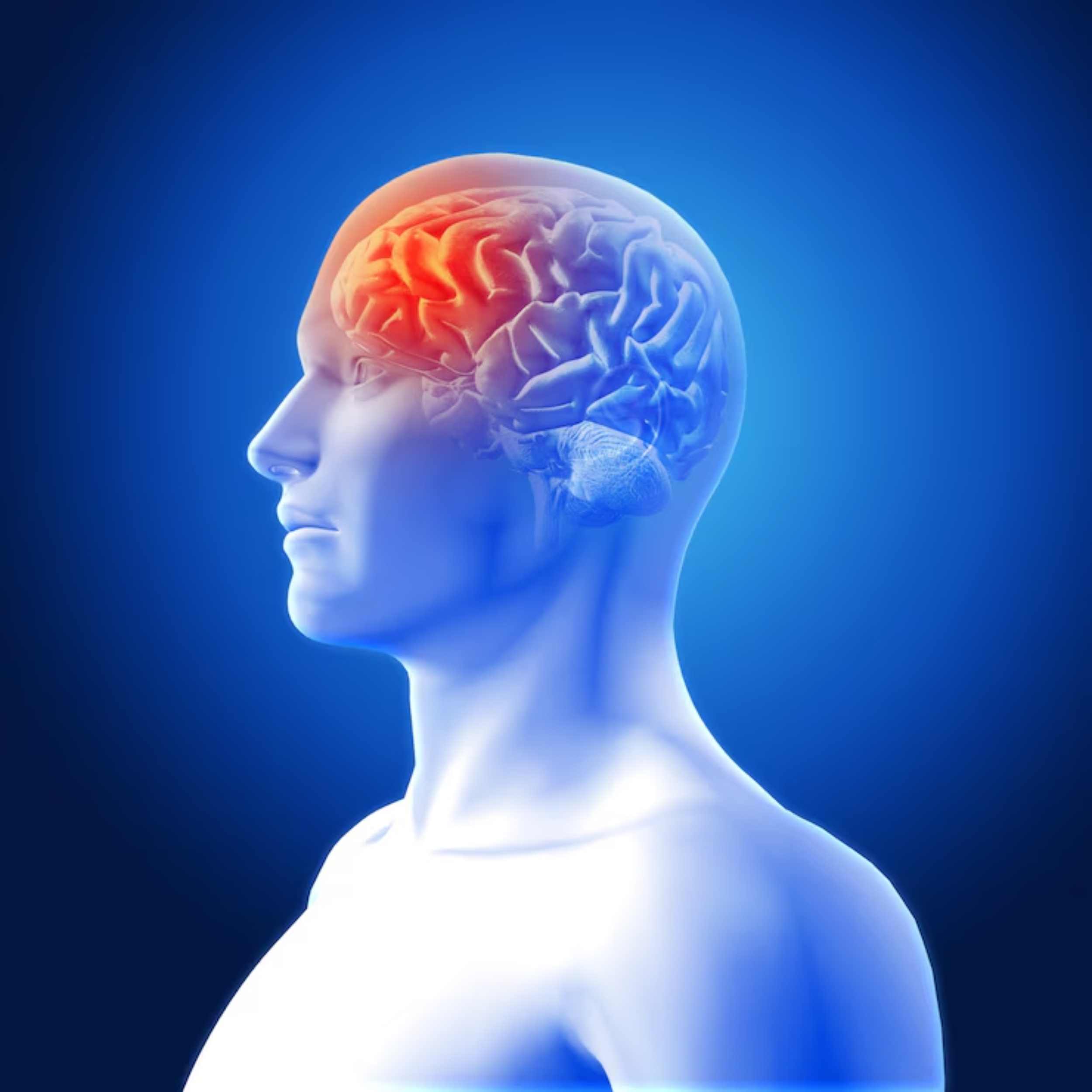
Agyria-Pachygyria Complex is a rare neurological condition characterized by abnormal brain development, specifically affecting the brain's surface (cortex). This condition is part of a broader group of disorders called lissencephaly, which translates to "smooth brain." It results in varying degrees of intellectual disability, developmental delay, and seizures. The name itself reflects the core abnormalities: agyria (absence of gyri—brain folds) and pachygyria (abnormally thick and fewer gyri).
Understanding Agyria-Pachygyria Complex:
The brain normally develops folds (gyri) and grooves (sulci) during fetal development, which are essential for cognitive function. In Agyria-Pachygyria Complex, this process is disrupted due to improper neuronal migration. This means that brain cells (neurons) do not move to their correct positions, leading to a smoother or improperly folded brain surface.
The severity of the disorder varies depending on how much of the brain is affected and the degree of the malformation:
- Agyria is the more severe form with a completely smooth brain surface.
- Pachygyria represents a milder form, with some folds present but fewer and broader than normal.
Causes & Symptoms:
Causes:
Agyria-Pachygyria Complex is primarily caused by genetic mutations. The most commonly implicated genes include:
- LIS1 (PAFAH1B1)
- DCX (Doublecortin)
- TUBA1A
- ARX (Aristaless-related homeobox)
These mutations affect the proteins responsible for guiding neurons during early brain development.
Symptoms:
Symptoms usually appear in early infancy or childhood and may include:
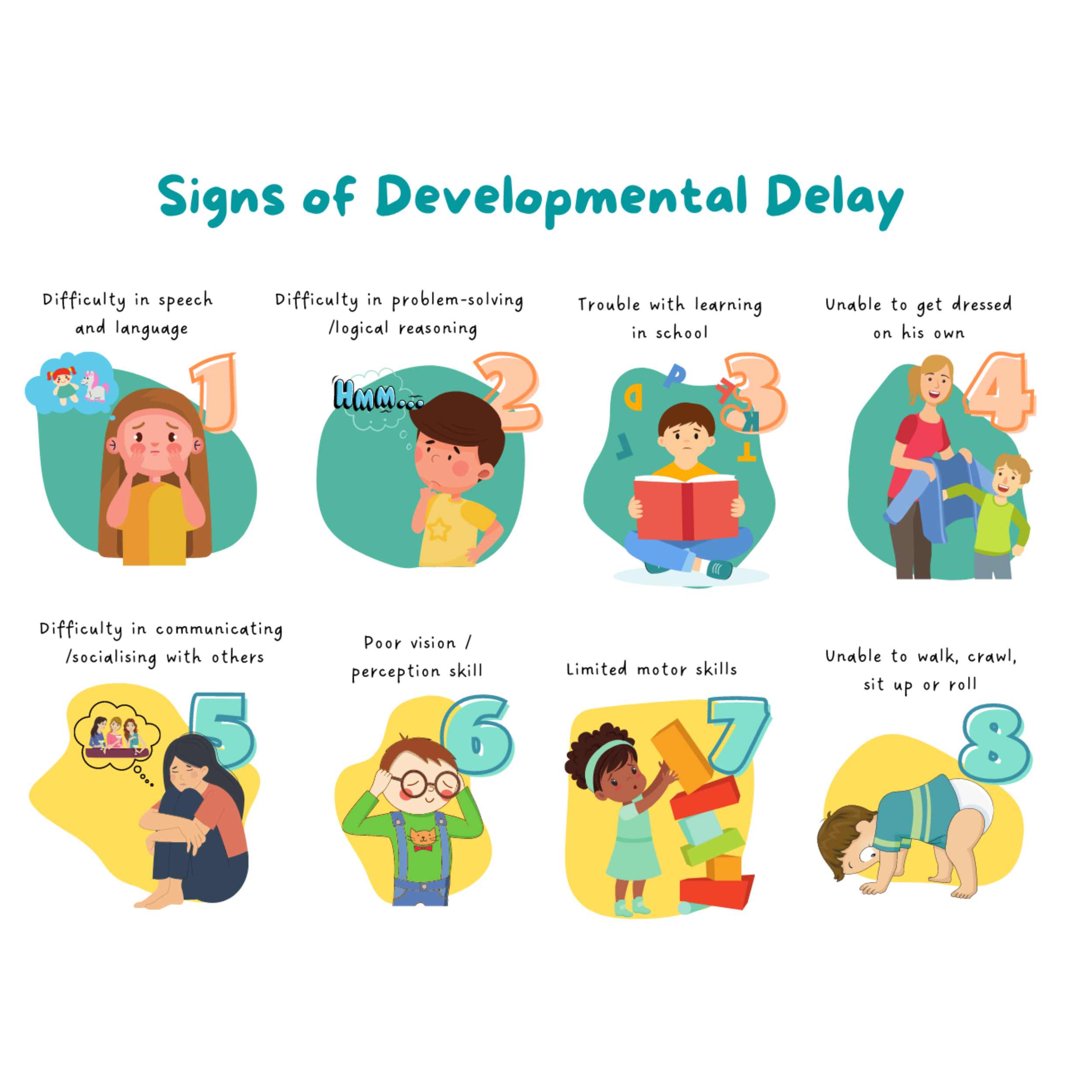
- Severe developmental delay or intellectual disability
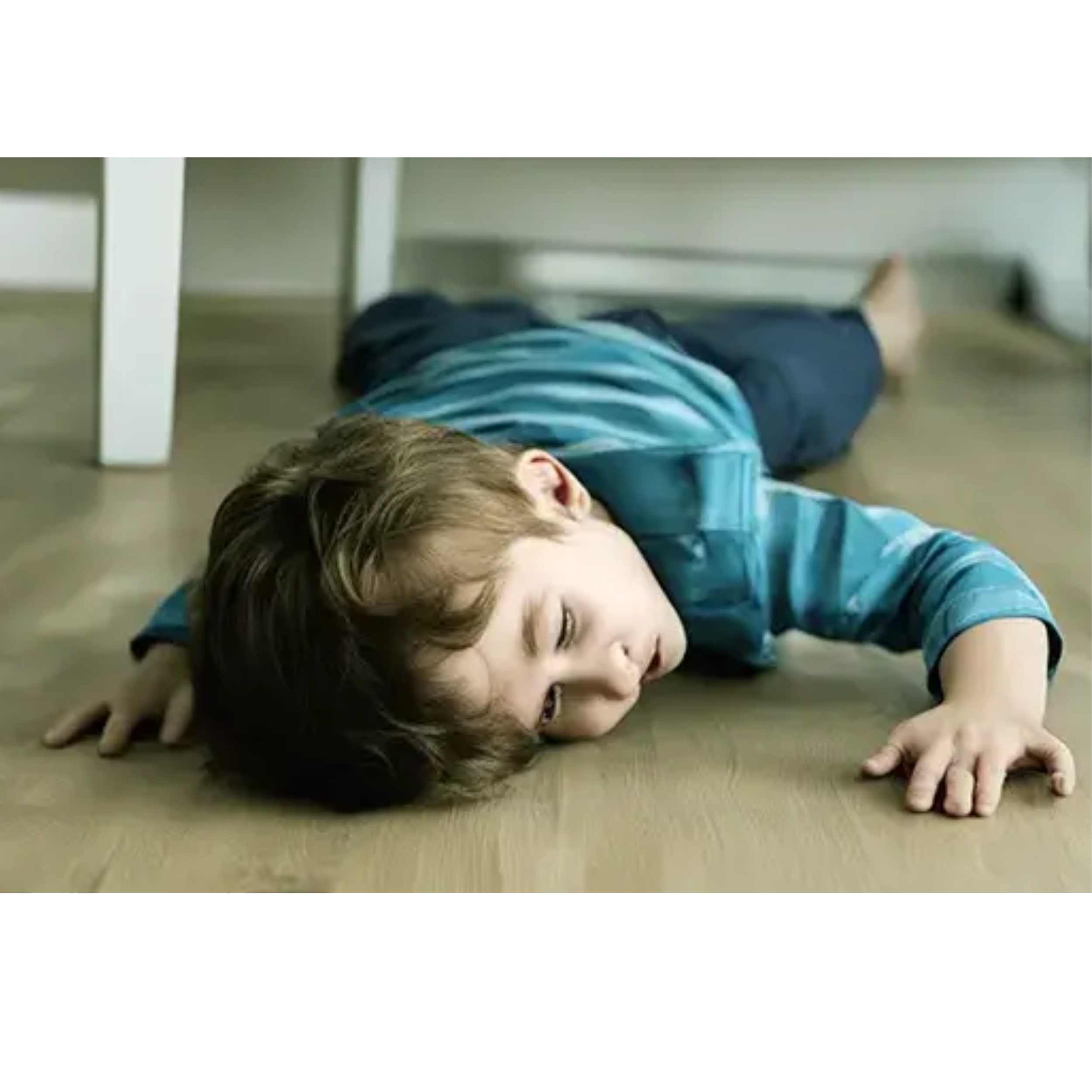
- Poor muscle tone (hypotonia) or spasticity
- Difficulty with feeding and swallowing
- Seizures (often hard to control)
- Microcephaly (small head size)
- Delayed or absent speech and motor skills
- Vision or hearing impairment in some cases
Risk Factors:
Several factors may increase the risk of Agyria-Pachygyria Complex, including:
- Genetic predisposition: Family history of lissencephaly or known genetic mutations.
- Maternal infections during pregnancy, such as cytomegalovirus (CMV), although this more often causes similar malformations rather than true lissencephaly.
- Prenatal exposure to certain toxins, drugs, or radiation may interfere with brain development.
Complications:
The complications associated with Agyria-Pachygyria Complex can be profound and lifelong. They include:
- Severe epilepsy, often resistant to medication
- Feeding difficulties, requiring tube feeding in some cases
- Chronic respiratory problems
- Physical disabilities, such as inability to walk or control movement
- Shortened life expectancy in severe forms
- Failure to thrive and recurrent infections due to weakened immunity or impaired feeding
Diagnosis :
Diagnosis is typically made through a combination of clinical evaluation and imaging studies:
- MRI (Magnetic Resonance Imaging): The most definitive tool, showing the abnormal brain structure.
- CT scans: Less detailed than MRI but can also show structural abnormalities.
- Genetic testing: Helps identify specific gene mutations responsible for the condition.
- EEG (Electroencephalogram): Used to assess seizure activity.
- Developmental assessments: To evaluate cognitive, motor, and speech delays.
Benefits of Homoeopathic Treatment
1. Individualised Care: Homoeopathy recognizes that each person is unique. A homoeopath will assess your symptoms, medical history, and lifestyle to prescribe a personalised treatment plan tailored to your needs.
2. Gentle and Natural: Homoeopathic remedies are derived from natural substances and are known for their minimal side effects. They work in harmony with the body, promoting self-healing and overall well-being.
3. Holistic Approach: Homoeopathy takes into account not only the physical symptoms but also the emotional and mental aspects of an individual. It aims to restore balance at all levels, providing comprehensive care.
4. Long-Term Relief: By addressing the underlying causes of Hyperacidity, homoeopathy strives to achieve long-term relief and improved quality of life.
Homeopathy for Agyria-Pachygyria Complex:
Calcarea carbonica: For developmental delay, sluggishness, and poor muscle tone.
Baryta carbonica: Often used in children with delayed mental and physical growth.
Silicea: May be prescribed for children with failure to thrive and delayed milestones.
Stramonium: For neurological symptoms, especially if seizures or night terrors are present.
Consulting a Homeopath
If you are seeking homoeopathic treatment for Agyria-Pachygyria Complex, it is essential to consult with a qualified and experienced homoeopath. At Sanjivani Homeopathy Clinic, our team of skilled homoeopaths will conduct a thorough evaluation, considering your symptoms, medical history, and individual characteristics to develop a personalised treatment plan.
Sanjivani Homeopathy Clinic USP
- No homoeopathy Dietary Restrictions:
Allows patients to enjoy foods like onion, garlic, and coffee, ensuring a stress-free treatment journey.
- 24/7 Online Consultations:
Enables convenient access to doctors with detailed counseling, history management, and follow-ups.
- Highly Skilled Team:
Experienced BHMS and MD doctors, supported by multilingual and professional staff.
- Patient-Centric Care:
Simplifies treatment with modern, adaptable solutions and clear communication.
Click Here for Detailed "Sanjivani USP"
FAQ's
- What is homoeopathy ?
Homoeopathy is a holistic science which belives in the law of Similia Similibus Curenter i.e Like Cures Like .It was discovered by Dr Samuel Christian Hahnemannn in 1796.
- Is there any side effects of homoeopathy?
As homoeopathic medicines are made from natural substances this medicines have no side effects and are completely safe to consume
- Is there any diet restriction to take homoeopathic medicines?
There are no diet restrictions for homoeopathic medicines. One should only avoid eating or drinking any liquid other than water at least 30 minutes before and after taking homoeopathic medicines.
Click Here for "Frequently Asked Questions."
Conclusion
Agyria-Pachygyria Complex is a rare brain development disorder with no cure, but symptoms like delayed milestones and seizures can be managed. Homeopathy offers a gentle, individualized approach to support overall well-being. While it cannot reverse brain changes, it may help improve quality of life, reduce discomfort, and support the child’s development when used along with conventional care.
Disclaimer : The information provided in this blog is for educational purposes only and should not be considered medical advice. Please consult with a qualified healthcare professional before starting any treatment for Agyria-Pachygyria Complex or any other medical condition.

