
Introduction
Bursitis is the inflammation of a bursa — a small, fluid-filled sac that cushions the bones, tendons, and muscles near joints. It helps reduce friction and allows smooth movement. When a bursa becomes inflamed, it causes pain, stiffness, and swelling in the affected joint.
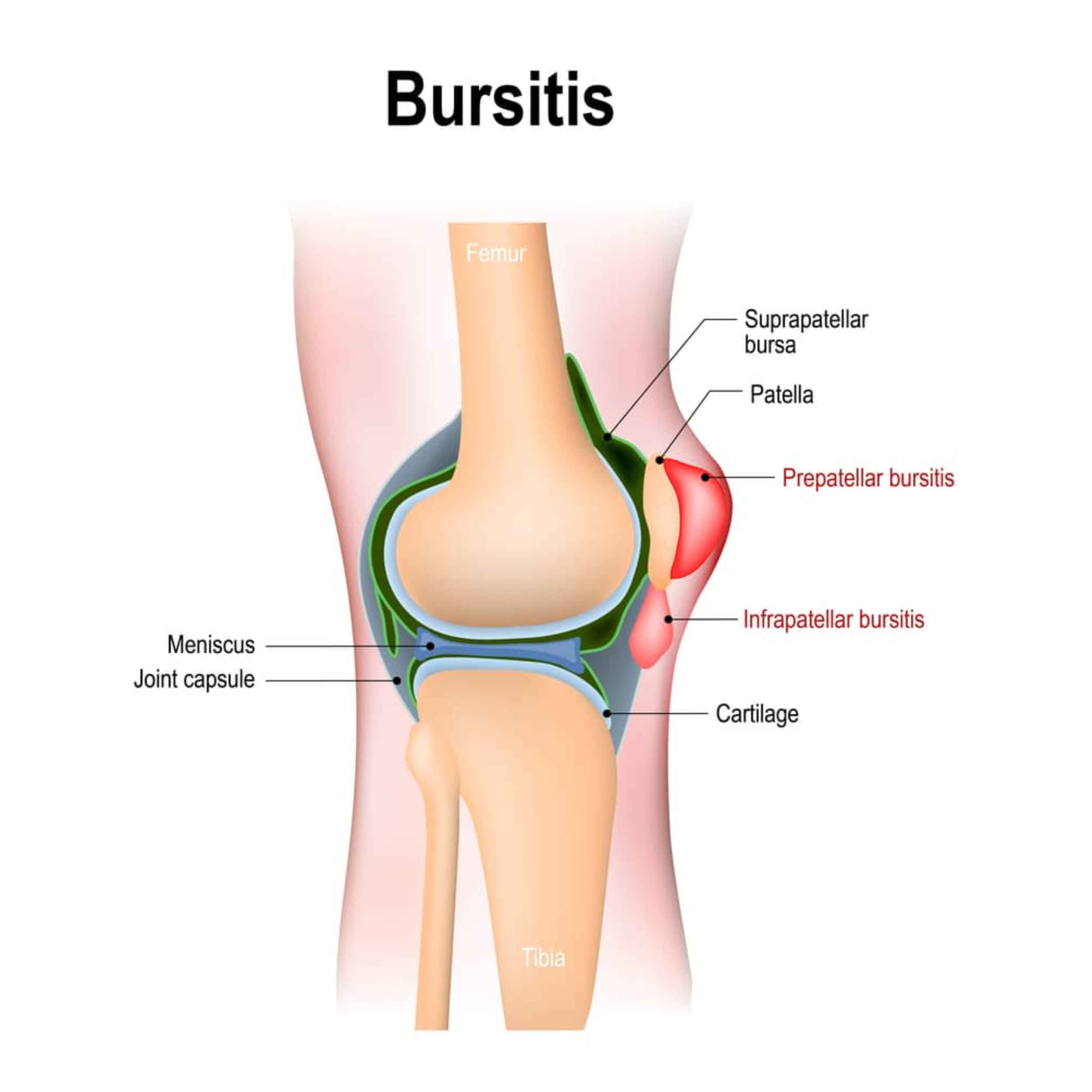
Understanding Bursitis :
Bursae are located in various joints such as the shoulder, elbow, hip, and knee
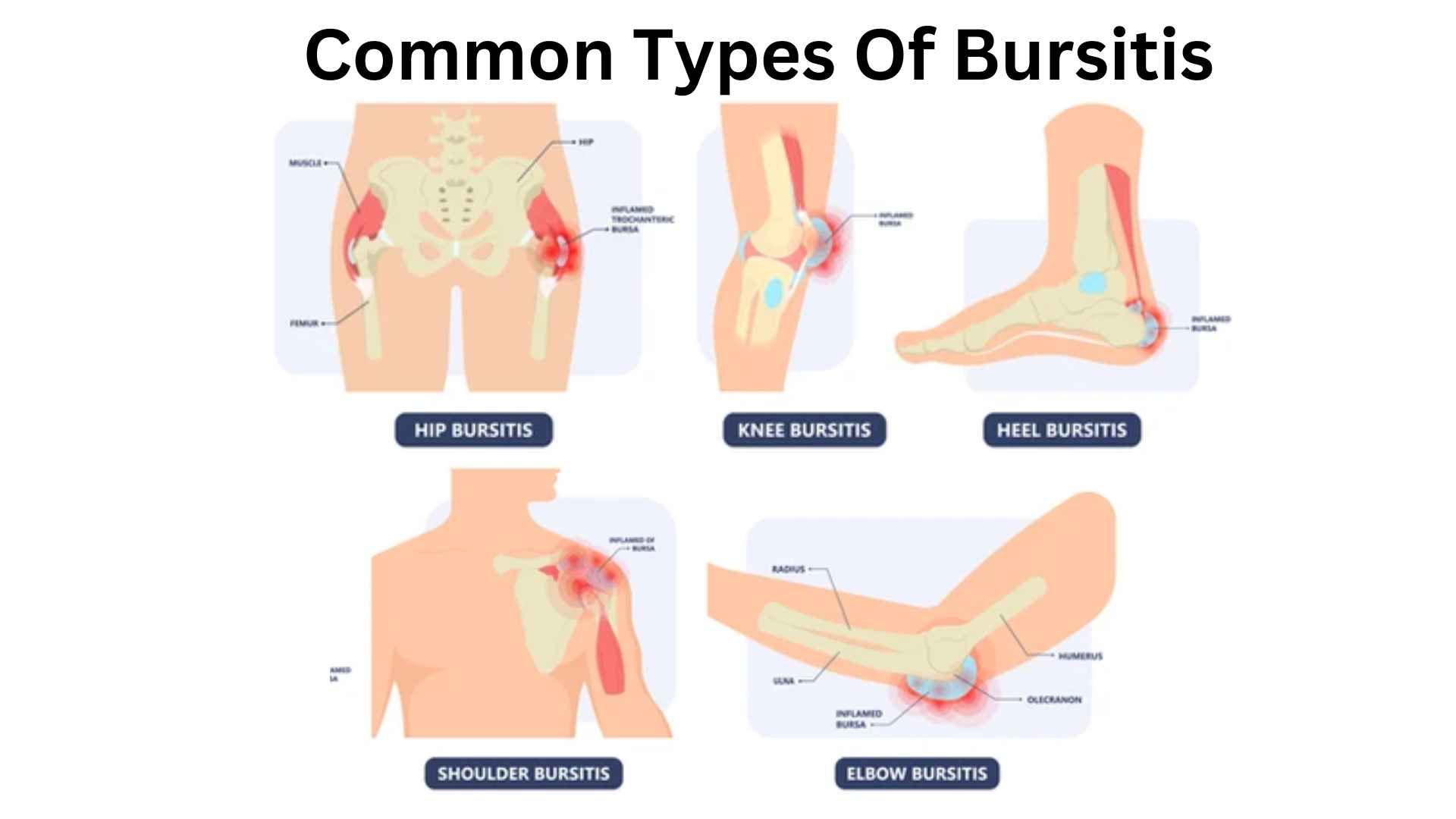
- Bursitis usually develops due to repetitive motion, overuse, injury, or infection.
- It can be acute (sudden onset) or chronic (long-lasting).
- Though not life-threatening, bursitis can severely affect mobility and quality of life.
Causes & Symptoms:
Causes:
- Repetitive movements or overuse of joints.
- Direct injury or trauma to the joint.
- Prolonged pressure on the joint (e.g., kneeling or leaning on elbows).
- Infection of the bursa (septic bursitis).
- Associated conditions like arthritis, gout, or diabetes.
Symptoms:
- Pain in the affected joint worsens with movement.
- Swelling, warmth, or redness.
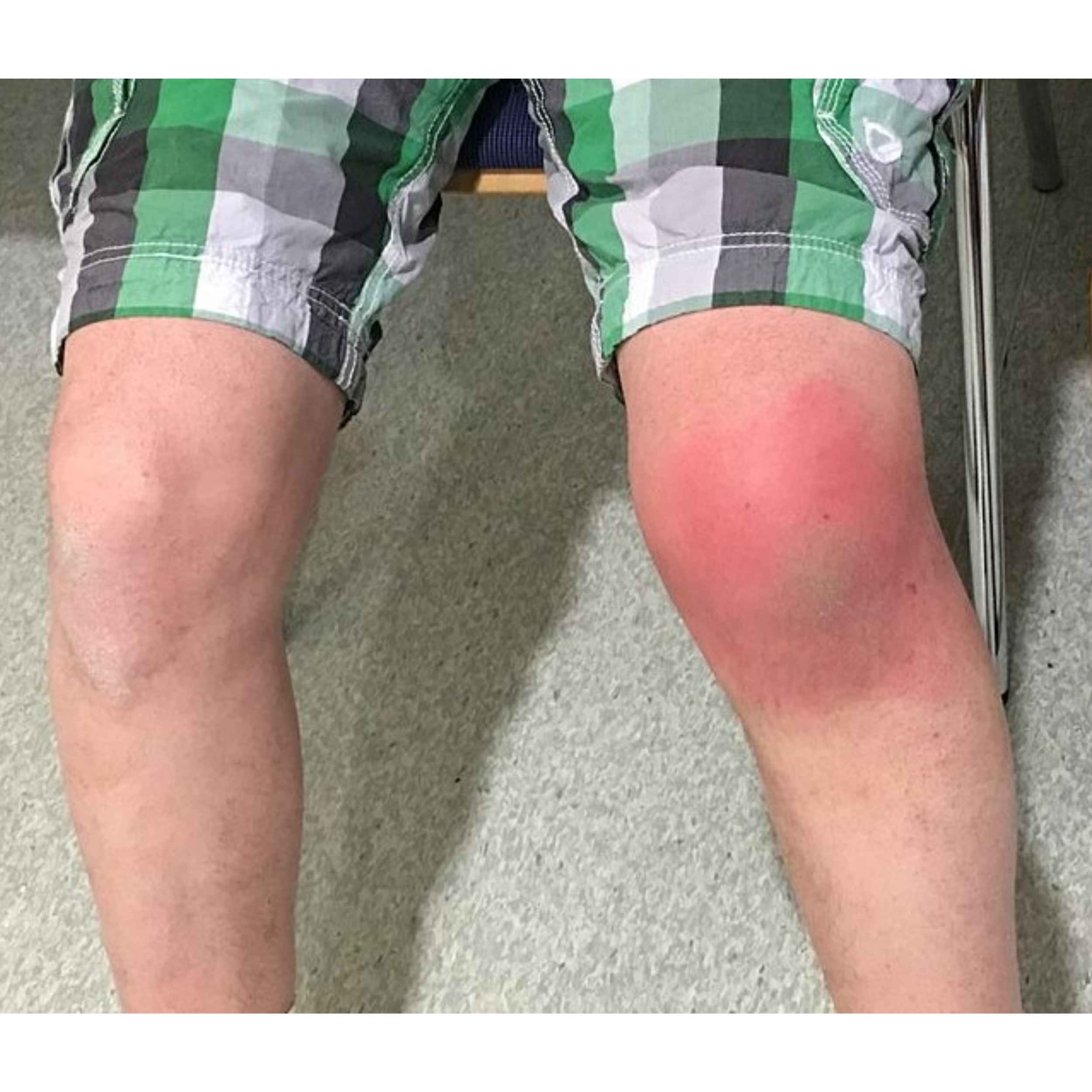
- Stiffness or restricted joint movement.
- Tenderness when pressure is applied.
Risk Factors:
- Age (older adults are more prone).
- Occupations or hobbies involving repetitive motion (carpenters, musicians, athletes).
- Prolonged kneeling or leaning on joints.
- Existing joint diseases such as rheumatoid arthritis or gout.
- Poor posture or body mechanics.
Complications
- Chronic pain and reduced mobility.
- Recurrence of bursitis if the cause persists.
- Septic bursitis (if infection spreads), which may require urgent treatment.
- Calcific deposits in chronic cases, causing long-term stiffness.
Diagnosis :
Diagnosis involves:
- Clinical Examination: Doctor checks for swelling, tenderness, and range of motion.
- Medical History: Understanding daily activities, occupation, and past injuries.
- Lab Tests: Fluid aspiration from bursa (to check for infection or crystals in gout)
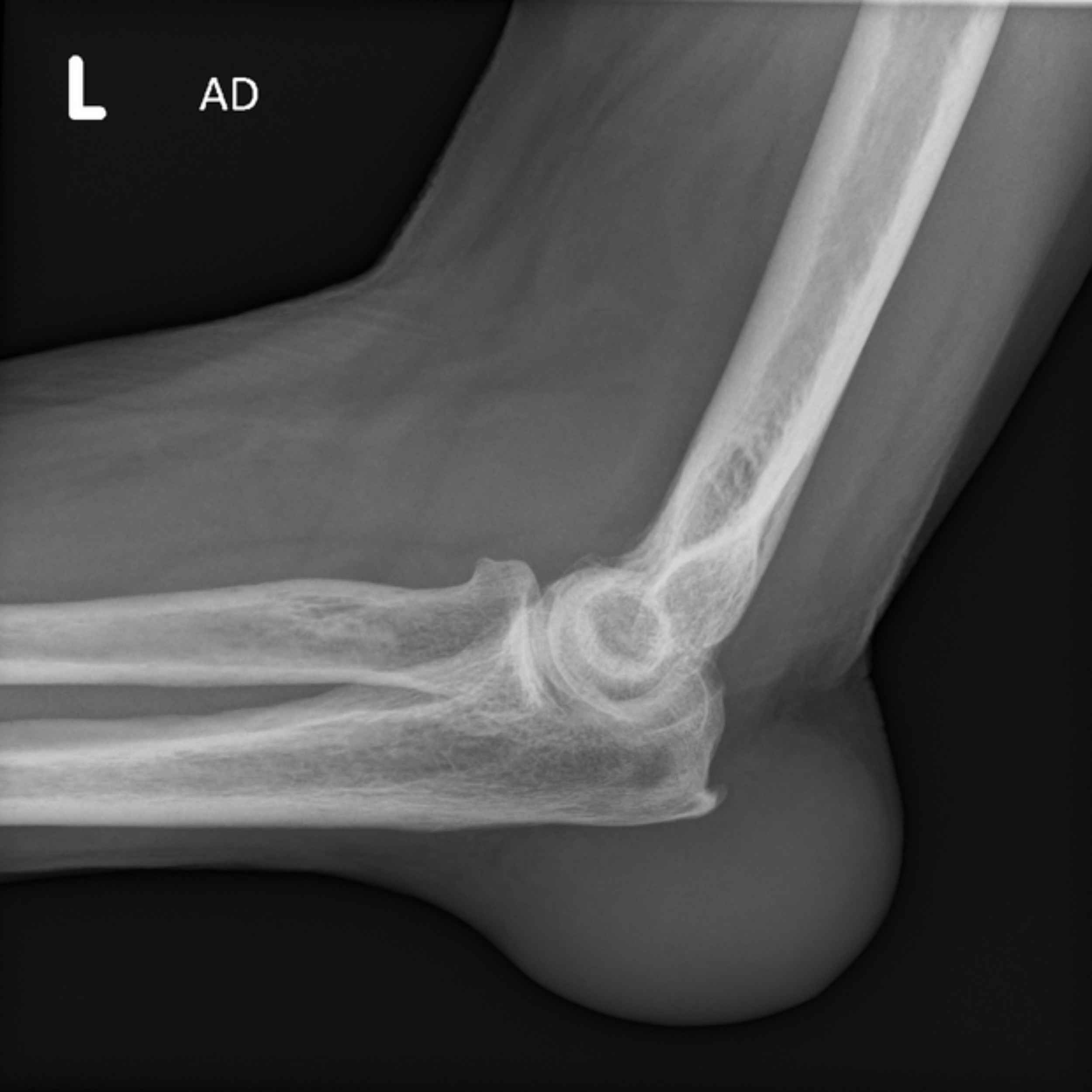
- Imaging: X-ray, ultrasound, or MRI to rule out other joint conditions.
Benefits of Homoeopathic Treatment
1. Individualised Care: Homoeopathy recognizes that each person is unique. A homoeopath will assess your symptoms, medical history, and lifestyle to prescribe a personalised treatment plan tailored to your needs.
2. Gentle and Natural: Homoeopathic remedies are derived from natural substances and are known for their minimal side effects. They work in harmony with the body, promoting self-healing and overall well-being.
3. Holistic Approach: Homoeopathy takes into account not only the physical symptoms but also the emotional and mental aspects of an individual. It aims to restore balance at all levels, providing comprehensive care.
4. Long-Term Relief: By addressing the underlying causes of Hyperacidity, homoeopathy strives to achieve long-term relief and improved quality of life.
Homeopathy and Bursitis :
Homeopathy aims to reduce inflammation, pain, and recurrence by treating the root cause. Some commonly used remedies (selection depends on individual symptoms):
- Bryonia Alba: For bursitis with sharp pain, worse on movement, better with rest.
- Rhus Toxicodendron: For stiffness and pain that improves with movement but worsens in cold or damp weather.
- Apis Mellifica: For bursitis with redness, swelling, and burning-stinging pain.
- Arnica Montana: For bursitis due to trauma or injury with sore, bruised feeling.
- Belladonna: For sudden onset with redness, heat, and throbbing pain.
Consulting a Homeopath:
If you are seeking homoeopathic treatment for bursitis, it is essential to consult with a qualified and experienced homoeopath. At Sanjivani Homeopathy Clinic, our team of skilled homoeopaths will conduct a thorough evaluation, considering your symptoms, medical history, and individual characteristics to develop a personalised treatment plan.
Sanjivani Homeopathy Clinic USP
No homoeopathy Dietary Restrictions:
Allows patients to enjoy foods like onion, garlic, and coffee, ensuring a stress-free treatment journey.
24/7 Online Consultations:
Enables convenient access to doctors with detailed counseling, history management, and follow-ups.
Highly Skilled Team:
Experienced BHMS and MD doctors, supported by multilingual and professional staff.
Patient-Centric Care:
Simplifies treatment with modern, adaptable solutions and clear communication.
Click Here for Detailed "Sanjivani USP"
FAQ's
What is homoeopathy ?
Homoeopathy is a holistic science which belives in the law of Similia Similibus Curenter i.e Like Cures Like .It was discovered by Dr Samuel Christian Hahnemannn in 1796.
Is there any side effects of homoeopathy?
As homoeopathic medicines are made from natural substances this medicines have no side effects and are completely safe to consume
Is there any diet restriction to take homoeopathic medicines?
There are no diet restrictions for homoeopathic medicines. One should only avoid eating or drinking any liquid other than water at least 30 minutes before and after taking homoeopathic medicines.
Click Here for "Frequently Asked Questions."
Conclusion
Bursitis is a painful yet manageable condition. With early diagnosis, lifestyle modifications, and proper treatment, recovery is usually quick. Homeopathy offers a safe and natural option to reduce pain, inflammation, and recurrence without side effects. Sanjivani homoeopathy can be a valuable complementary option in managing bursitis , providing relief from discomfort and supporting overall health, all without the need for restrictive diets. This approach allows for a more personalized, sustainable way to manage the condition, fostering lasting improvement and quality of life.
Disclaimer: The information provided in this blog is for educational purposes only and should not be considered medical advice. Please consult with a qualified healthcare professional before starting any treatment for bursitis or any other medical condition.

