
Introduction
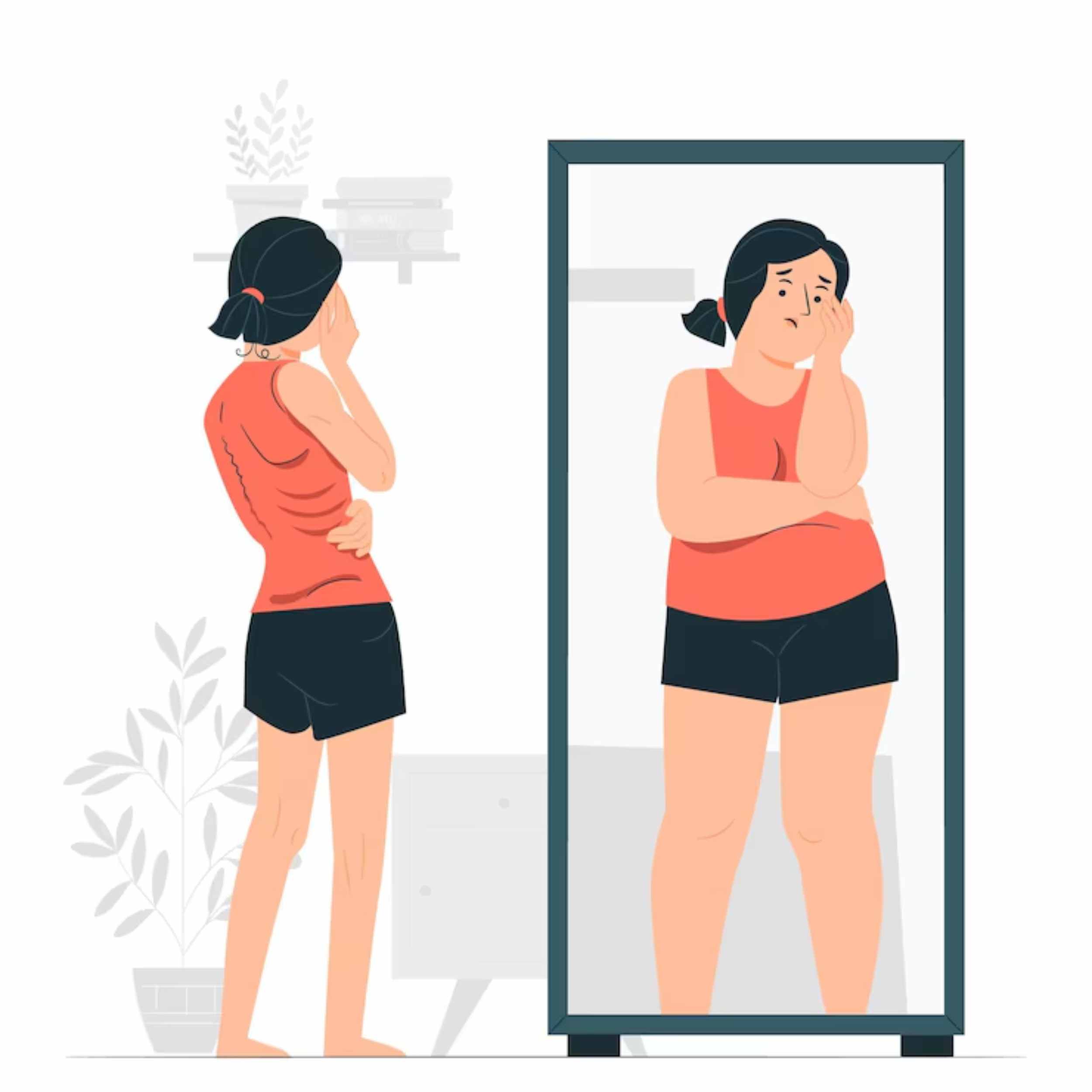
Anorexia, medically referred to as Anorexia Nervosa, is a serious eating disorder characterized by self-starvation and excessive weight loss. It is not just about food; it's a complex psychological condition involving a distorted body image and an intense fear of gaining weight. Although it mostly affects adolescent girls and young women, anorexia can affect individuals of all ages, genders, and backgrounds.
Understanding Anorexia:
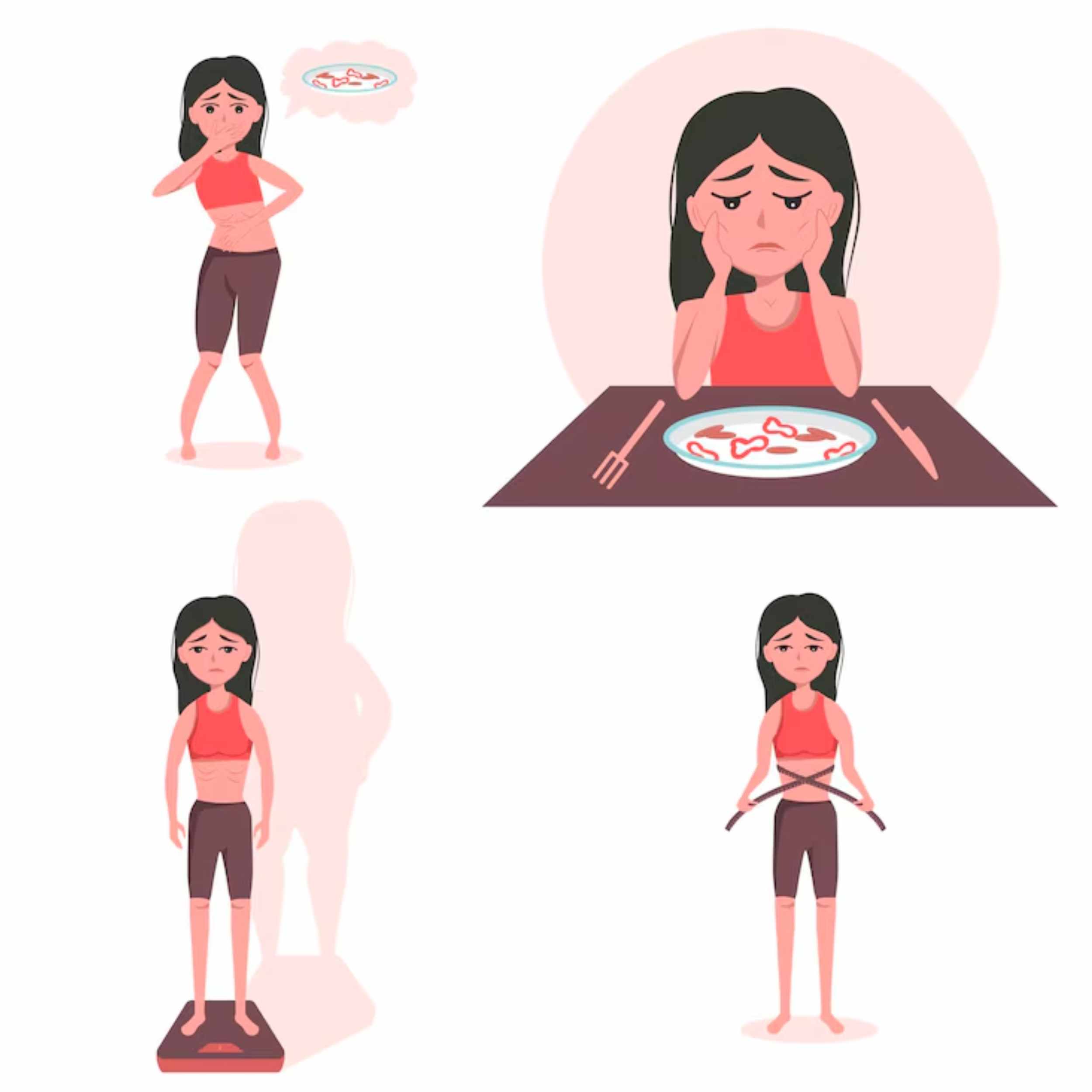
Anorexia involves extreme restriction of food intake, often accompanied by excessive exercise, use of laxatives, or other methods to lose weight. People with anorexia often perceive themselves as overweight, even when they are underweight. This disorder is often associated with perfectionism, low self-esteem, and a need for control.
Anorexia has two main types:
Restricting type – where weight loss is achieved through dieting, fasting, or excessive exercise.
Binge-eating/purging type – involves eating large amounts of food followed by purging (vomiting, laxatives, etc.).
Causes & Symptoms:
Causes :
Anorexia is multi-factorial, involving a mix of:
- Genetic predisposition
- Psychological issues (low self-worth, anxiety, perfectionism)
- Sociocultural pressures (media, societal standards of beauty)
- Family environment or trauma

Symptoms:
- Drastic weight loss
- Preoccupation with food, dieting, calories
- Distorted body image
- Skipping meals or making excuses not to eat
- Wearing baggy clothes to hide weight loss
- Fatigue, dizziness, insomnia
- Dry skin, brittle nails, hair thinning
- Amenorrhea (absence of menstruation)

Risk Factors:
- Being female, especially in adolescence
- Family history of eating disorders or mental illness
- Personality traits: perfectionism, obsessive-compulsive tendencies
- Exposure to media glorifying thinness
- Peer pressure and bullying
- Participation in activities that emphasize appearance (e.g., ballet, gymnastics, modeling)
Complications:
If untreated, anorexia can cause life-threatening issues, including:
- Heart problems (irregular heartbeat, heart failure)
- Bone thinning (osteoporosis)
- Kidney or liver failure
- Infertility
- Electrolyte imbalances
- Severe malnutrition
- Depression, anxiety, self-harm, or suicidal thoughts
- In extreme cases, it can be fatal
Diagnosis :
Diagnosis is based on:
- Medical history and physical exam
- Psychological evaluation
- BMI calculation and weight monitoring
- Blood tests to check for organ function, electrolytes, and nutritional deficiencies
- Screening tools like EDE-Q (Eating Disorder Examination Questionnaire)
- Early detection is crucial to avoid long-term damage.
Benefits of Homoeopathic Treatment
1. Individualised Care: Homoeopathy recognizes that each person is unique. A homoeopath will assess your symptoms, medical history, and lifestyle to prescribe a personalised treatment plan tailored to your needs.
2. Gentle and Natural: Homoeopathic remedies are derived from natural substances and are known for their minimal side effects. They work in harmony with the body, promoting self-healing and overall well-being.
3. Holistic Approach: Homoeopathy takes into account not only the physical symptoms but also the emotional and mental aspects of an individual. It aims to restore balance at all levels, providing comprehensive care.
4. Long-Term Relief: By addressing the underlying causes of Hyperacidity, homoeopathy strives to achieve long-term relief and improved quality of life.
Homeopathy for Anorexia :
Homeopathy addresses both the physical symptoms and the underlying emotional causes of anorexia. It offers individualized remedies that stimulate the body’s natural healing response. Here are a few commonly used homeopathic medicines:
- Ignatia Amara – for patients with anorexia due to grief, disappointment, or emotional trauma. Sudden mood swings and deep sadness may be present.
- Natrum Muriaticum – for individuals who suppress emotions, are introverted, and often suffer silently. They might crave salt but avoid food.
- China Officinalis – for patients with weakness and exhaustion from loss of fluids or after long periods of malnutrition.
- Calcarea Carb – useful when anorexia is associated with fear of becoming fat despite being underweight, sluggish metabolism, and chilliness.
- Phosphoric Acid – for extreme mental and physical weakness, loss of appetite after grief or mental strain.
Consulting a Homeopath:
If you are seeking homoeopathic treatment for Anorexia, it is essential to consult with a qualified and experienced homoeopath. At Sanjivani Homeopathy Clinic, our team of skilled homoeopaths will conduct a thorough evaluation, considering your symptoms, medical history, and individual characteristics to develop a personalised treatment plan.
Sanjivani Homeopathy Clinic USP
- No homoeopathy Dietary Restrictions:
Allows patients to enjoy foods like onion, garlic, and coffee, ensuring a stress-free treatment journey.
- 24/7 Online Consultations:
Enables convenient access to doctors with detailed counseling, history management, and follow-ups.
- Highly Skilled Team:
Experienced BHMS and MD doctors, supported by multilingual and professional staff.
- Patient-Centric Care:
Simplifies treatment with modern, adaptable solutions and clear communication.
Click Here for Detailed "Sanjivani USP"
FAQ's
- What is homoeopathy ?
Homoeopathy is a holistic science which belives in the law of Similia Similibus Curenter i.e Like Cures Like .It was discovered by Dr Samuel Christian Hahnemannn in 1796.
- Is there any side effects of homoeopathy?
As homoeopathic medicines are made from natural substances this medicines have no side effects and are completely safe to consume
- Is there any diet restriction to take homoeopathic medicines?
There are no diet restrictions for homoeopathic medicines. One should only avoid eating or drinking any liquid other than water at least 30 minutes before and after taking homoeopathic medicines.
Click Here for "Frequently Asked Questions."
Conclusion
Homeopathy offers a gentle, holistic approach to treating anorexia by addressing both emotional and physical aspects. At Sanjivani Homeopathy, treatment focuses on the root causes—like stress, trauma, or self-image—while improving appetite and overall well-being. Without harsh medications or strict diets, this personalized care supports lasting recovery and helps restore a healthy mind-body balance.
Disclaimer : The information provided in this blog is for educational purposes only and should not be considered medical advice. Please consult with a qualified healthcare professional before starting any treatment for anorexia or any other medical condition.

