
Introduction
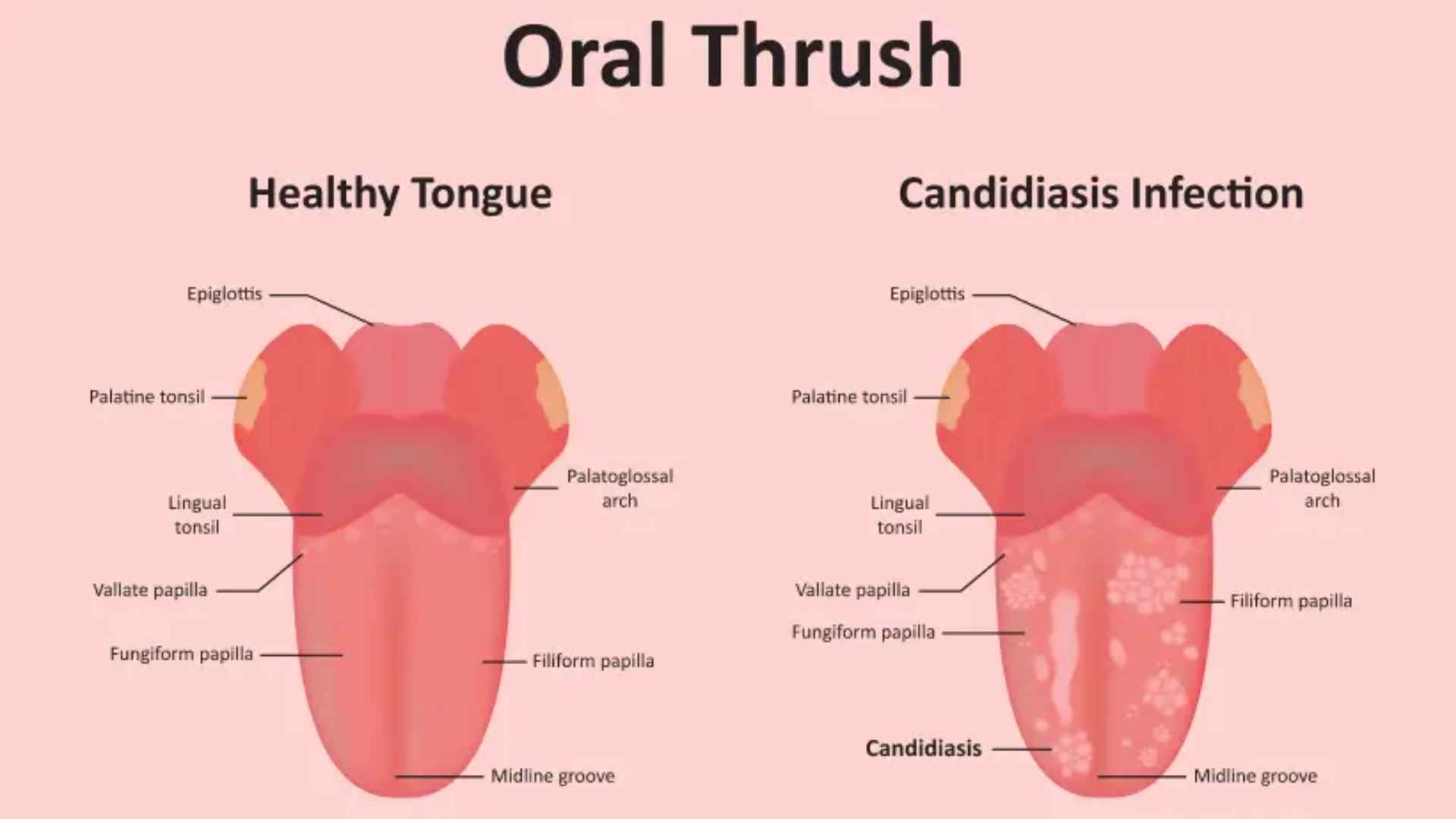
Candidiasis, commonly known as thrush, is a fungal infection caused by Candida species, most often Candida albicans. It can affect the mouth, throat, skin, nails, or genital area. While usually harmless, overgrowth of Candida can lead to discomfort and, in severe cases, systemic infections.
Understanding Candidiasis:
Candida is a normal commensal organism present in the human body, particularly in the mouth, gut, and vagina. When the balance between good bacteria and fungi is disturbed, Candida multiplies and causes infection.
Thrush can appear as white patches, redness, itching, or discharge depending on the site of infection.
Types
- Oral Thrush – Affects the mouth and tongue, common in infants, elderly, and immunocompromised patients.
- Genital Thrush (Vaginal/ Penile Candidiasis) – Characterized by itching, burning, and discharge.
- Cutaneous Candidiasis – Affects skin folds, causing redness, rash, and irritation.
- Invasive/ Systemic Candidiasis – A severe form that spreads to the bloodstream and internal organs, usually in hospitalized or immunocompromised patients.
- Esophageal Candidiasis – Involves the esophagus, often causing difficulty in swallowing.
Causes & Symptoms:
Causes:
- Weak immune system
- Diabetes mellitus
- Prolonged antibiotic or steroid use
- Poor oral hygiene
- Hormonal changes (pregnancy, contraceptive pills)
- Excessive moisture or sweating
- Use of dentures
Symptoms:
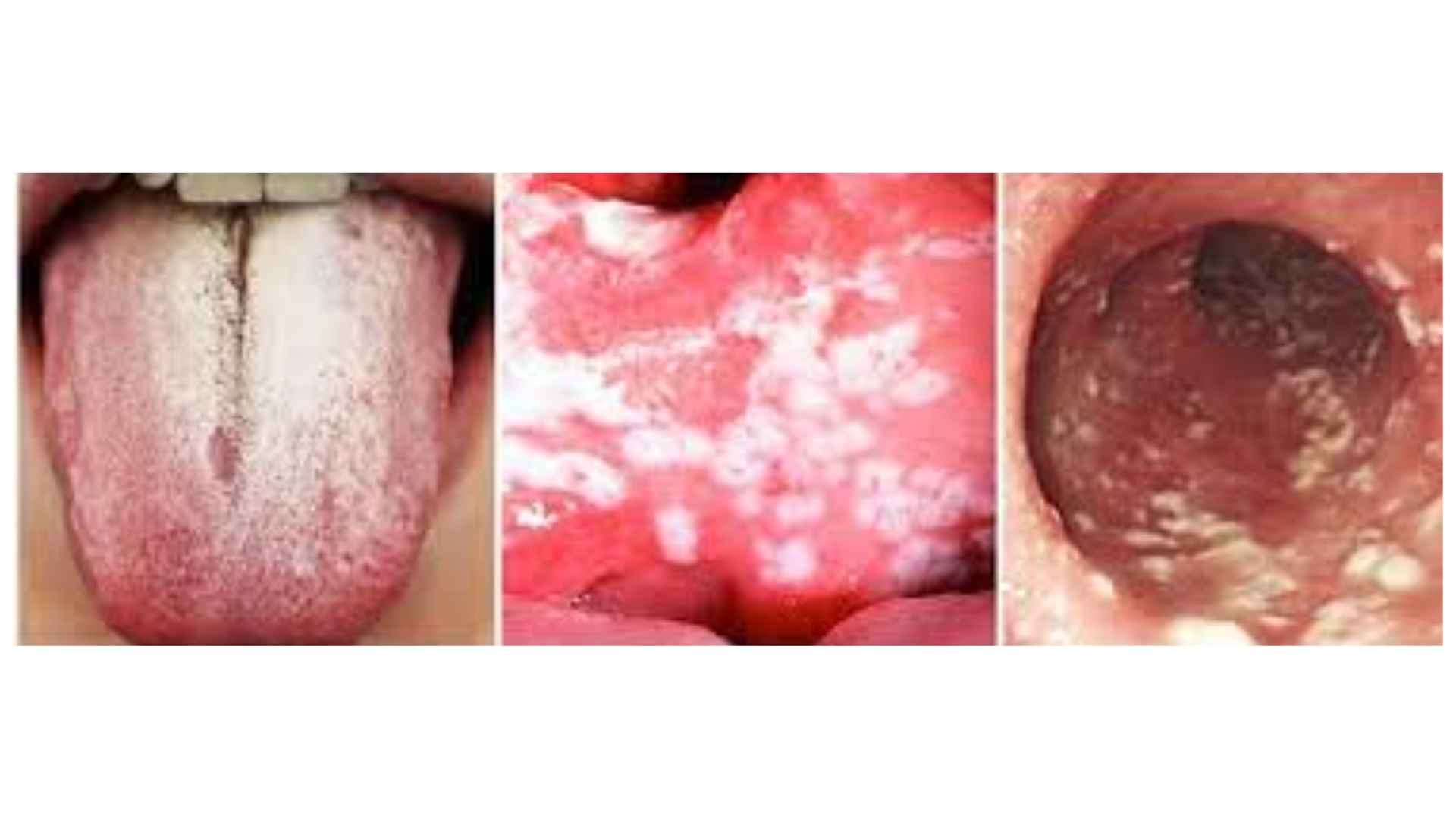
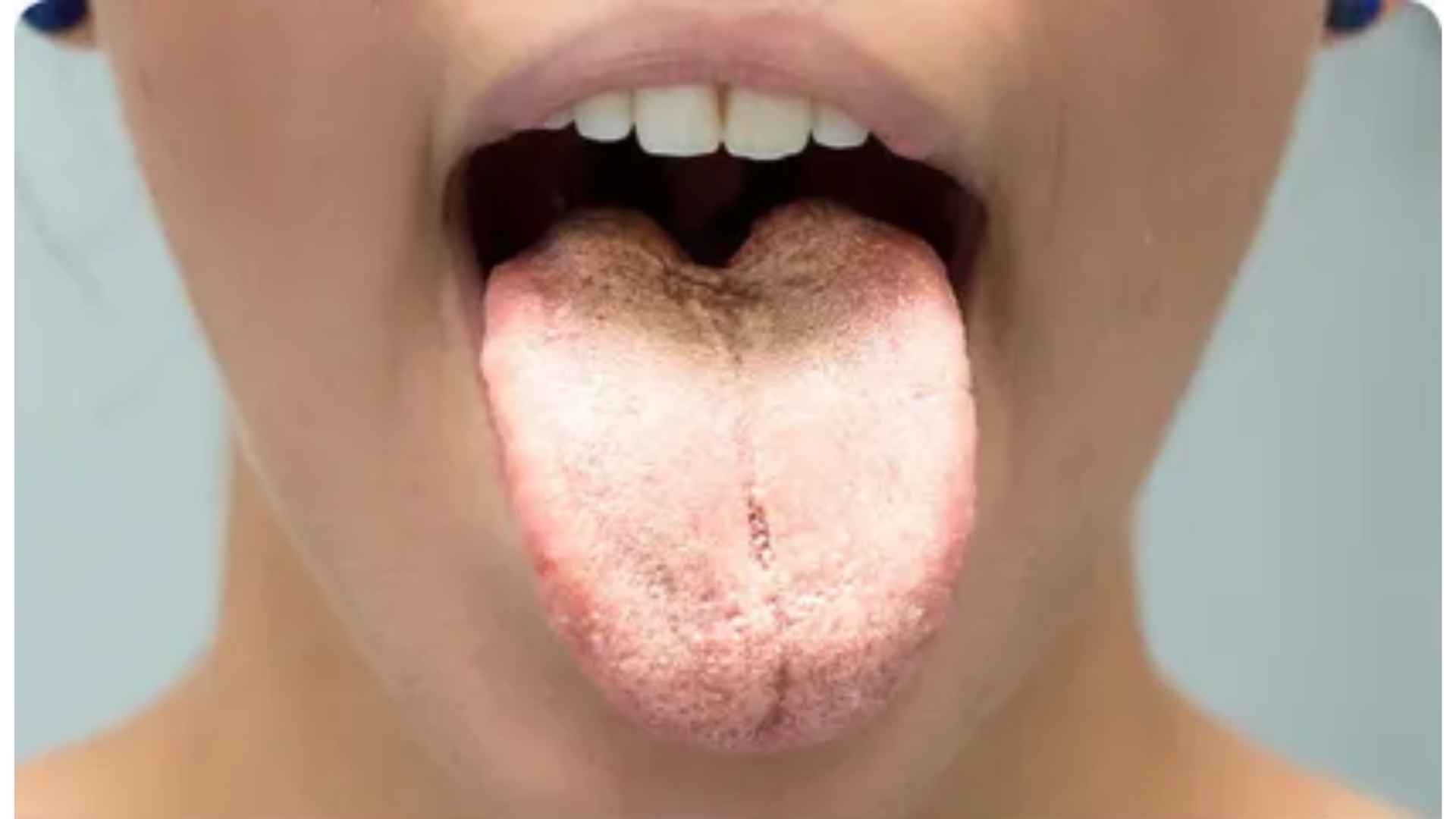
- White, creamy patches in mouth or tongue (oral thrush)
- Itching, burning, and thick white vaginal discharge (genital thrush)
- Red, itchy, scaly rash (skin)
- Painful swallowing or chest pain (esophageal thrush)
- Fever and organ dysfunction (systemic candidiasis)
Complications:
- Chronic recurrent infections
- Spread to bloodstream (candidemia)
- Organ damage (kidney, liver, heart) in systemic cases
- Reduced quality of life due to discomfort and recurrent relapses
- Resistance to antifungal medicines with repeated use
Diagnosis :
Diagnosis involves:
- Clinical examination – white patches, discharge, rashes
- Microscopic test (KOH mount) – to detect fungal elements
- Culture test – to confirm Candida species
- Blood tests – for systemic infection
- Endoscopy – for esophageal involvement
Benefits of Homoeopathic Treatment
1. Individualised Care: Homoeopathy recognizes that each person is unique. A homoeopath will assess your symptoms, medical history, and lifestyle to prescribe a personalised treatment plan tailored to your needs.
2. Gentle and Natural: Homoeopathic remedies are derived from natural substances and are known for their minimal side effects. They work in harmony with the body, promoting self-healing and overall well-being.
3. Holistic Approach: Homoeopathy takes into account not only the physical symptoms but also the emotional and mental aspects of an individual. It aims to restore balance at all levels, providing comprehensive care.
4. Long-Term Relief: By addressing the underlying causes of Hyperacidity, homoeopathy strives to achieve long-term relief and improved quality of life.
Homoeopathy and Candidiasis (Thrush) :
Homeopathy treats candidiasis by addressing the root cause, improving immunity, and reducing recurrence. Remedies are selected based on symptoms, constitution, and susceptibility.
Commonly used remedies:
- Borax – For oral thrush with burning, white patches, and sensitivity.
- Kreosotum – For offensive, irritating vaginal discharge with itching.
- Sepia – For recurrent vaginal thrush, especially with hormonal imbalance.
- Mercurius solubilis – For mouth thrush with excessive salivation and ulcers.
- Sulphur – For chronic, relapsing fungal infections with itching and burning.
- Candida albicans (nosode) – Sometimes used in resistant or recurrent cases.
Homeopathy not only relieves acute symptoms but also helps prevent frequent recurrences by strengthening the immune system.
Consulting a Homeopath:
Consulting a professional Sanjivani homoeopath is essential for an accurate diagnosis and personalised treatment plan. Sanjivani Homoeopaths take a holistic approach, considering the patient's overall health, lifestyle, and specific triggers. They select remedies based on individual symptoms.
Sanjivani Homeopathy Clinic USP
- No homoeopathy Dietary Restrictions:
Allows patients to enjoy foods like onion, garlic, and coffee, ensuring a stress-free treatment journey.
- 24/7 Online Consultations:
Enables convenient access to doctors with detailed counseling, history management, and follow-ups.
- Highly Skilled Team:
Experienced BHMS and MD doctors, supported by multilingual and professional staff.
- Patient-Centric Care:
Simplifies treatment with modern, adaptable solutions and clear communication.
Click Here for Detailed "Sanjivani USP"
FAQ's
- What is homoeopathy ?
Homoeopathy is a holistic science which belives in the law of Similia Similibus Curenter i.e Like Cures Like .It was discovered by Dr Samuel Christian Hahnemannn in 1796.
- Is there any side effects of homoeopathy?
As homoeopathic medicines are made from natural substances this medicines have no side effects and are completely safe to consume
- Is there any diet restriction to take homoeopathic medicines?
There are no diet restrictions for homoeopathic medicines. One should only avoid eating or drinking any liquid other than water at least 30 minutes before and after taking homoeopathic medicines.
Click Here for "Frequently Asked Questions."
Conclusion
Candidiasis (Thrush) is a common fungal infection that can affect different parts of the body. Though often minor, it can become serious in immunocompromised individuals. Early diagnosis and proper treatment are essential. Homeopathy offers a holistic approach by not only treating the infection but also preventing relapses through individualized remedies.
Disclaimer: The information provided in this blog is for educational purposes only and should not be considered medical advice. Please consult with a qualified healthcare professional before starting any treatment for candidiasis or any other medical condition.

