
Introduction
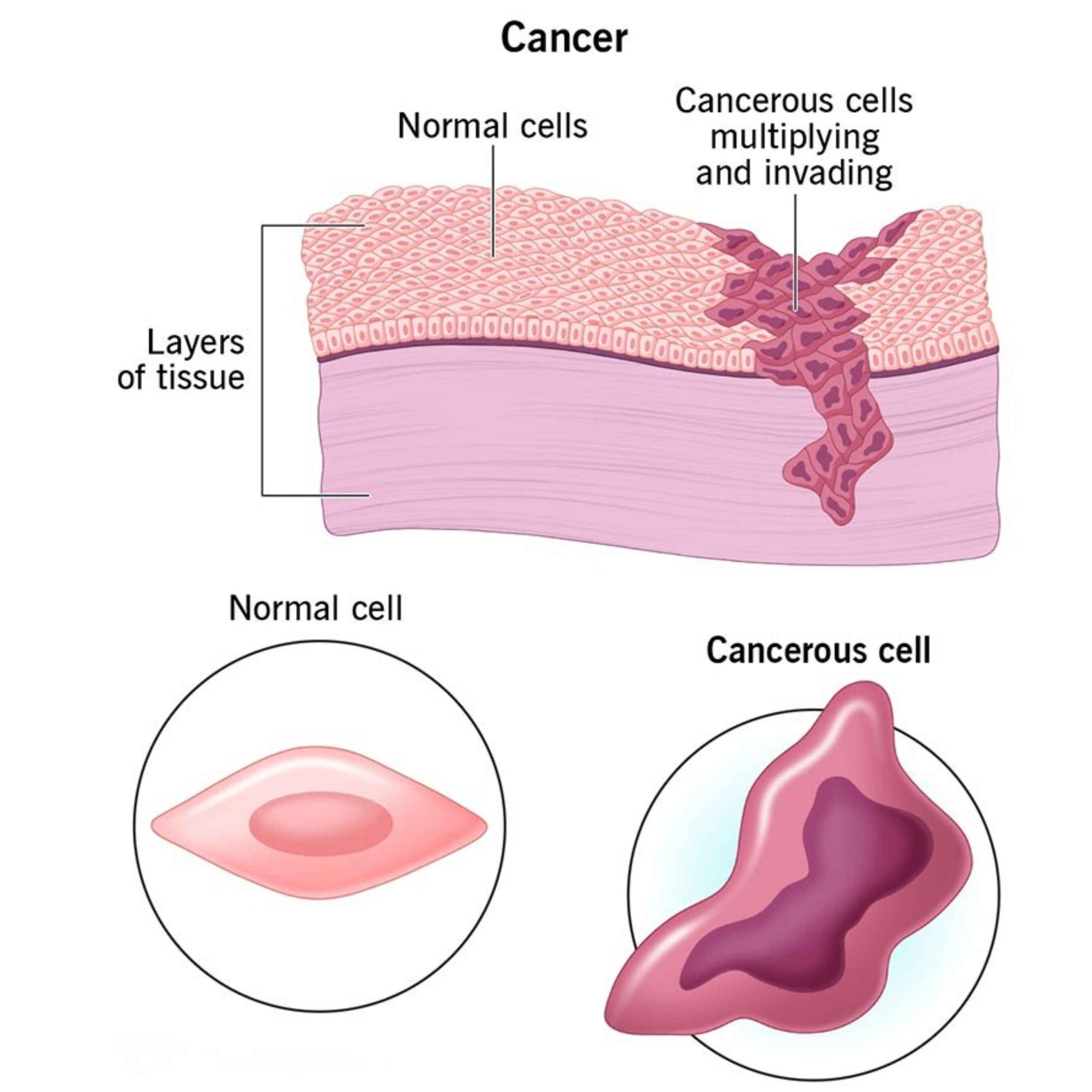
Cancer is a group of diseases characterized by the uncontrolled growth and spread of abnormal cells. These cells can invade nearby tissues and may spread to other parts of the body (metastasis). If not treated properly, cancer can be life-threatening.
Understanding Cancer:
Normally, cells in the body grow, divide, and die in a controlled manner. Cancer develops when this process breaks down, and abnormal cells continue to grow without control. These cells form a mass called a tumor (though not all cancers form tumors, such as leukemia).
Types of Cancer
Cancer can develop in almost any part of the body. Common types include:
- Carcinoma – cancer of the skin or tissues lining organs (lungs, breast, colon).
- Sarcoma – cancer of bone, muscle, or connective tissue.
- Leukemia – cancer of blood-forming tissues like bone marrow.
- Lymphoma and Myeloma – cancer of the immune system cells.
- Central Nervous System cancers – brain and spinal cord tumors..
Causes & Symptoms:
Causes:
may include:
- Genetic mutations
- Environmental factors (pollution, radiation)
- Lifestyle factors (smoking, alcohol, diet)
- Infections (HPV, Hepatitis B/C)
- Family history
Symptoms:
Depend on the type of cancer but may include:
- Unexplained weight loss
- Persistent fatigue
- Lumps or swelling
- Abnormal bleeding
- Chronic cough or hoarseness
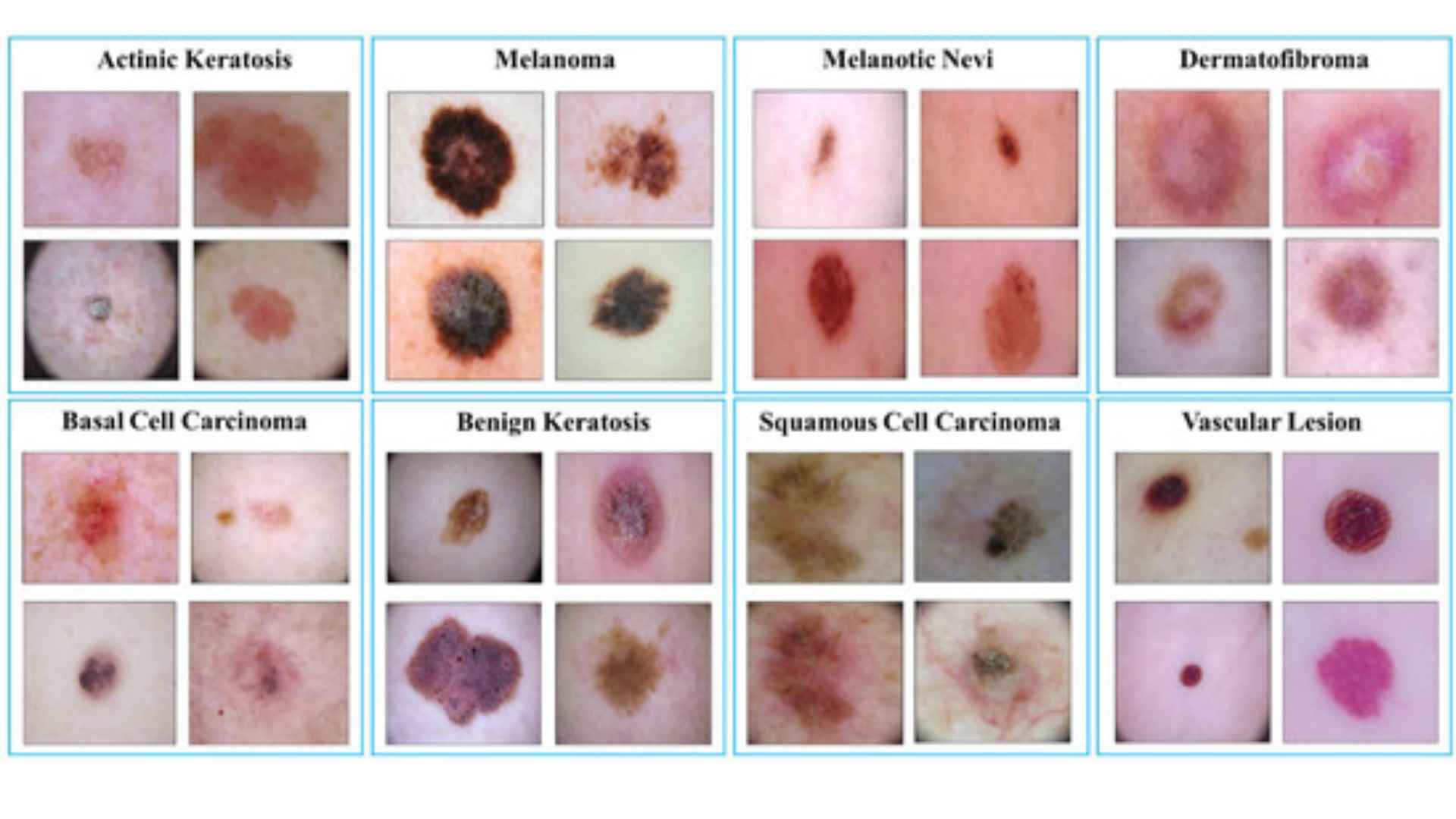
- Changes in skin (moles, sores not healing)
Complications:
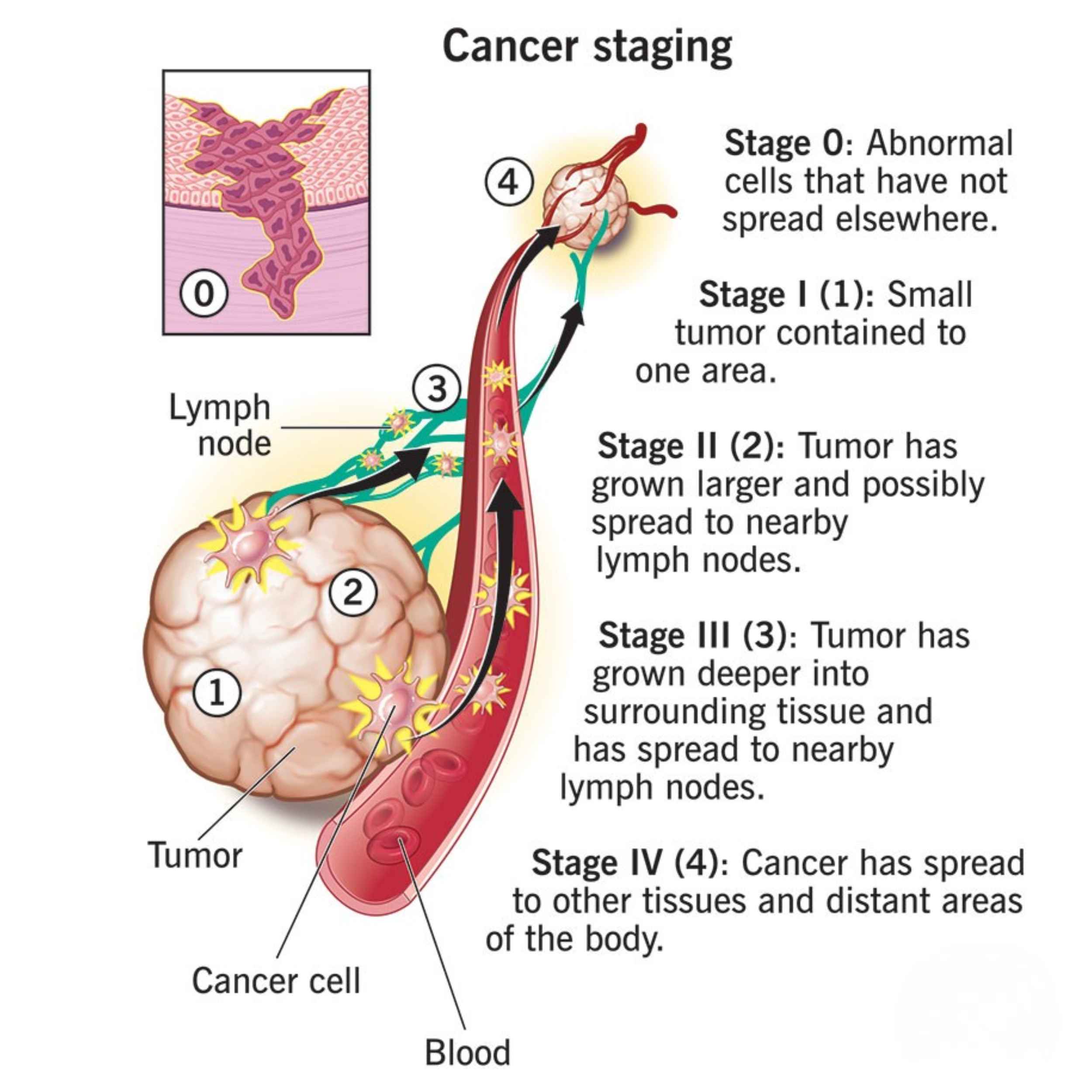
If not managed properly, cancer can lead to:
- Metastasis (spread to distant organs)
- Organ failure
- Recurring infections due to low immunity
- Side effects from treatment (anemia, hair loss, infertility)
- Emotional and psychological stress
Diagnosis :
Diagnosis involves multiple steps:
- Medical history and physical examination
- Blood tests (tumor markers, CBC)
- Imaging studies (X-ray, CT, MRI, PET scans)
- Biopsy – removal of tissue for microscopic examination
- Genetic testing in some cases
Benefits of Homoeopathic Treatment
1. Individualised Care: Homoeopathy recognizes that each person is unique. A homoeopath will assess your symptoms, medical history, and lifestyle to prescribe a personalised treatment plan tailored to your needs.
2. Gentle and Natural: Homoeopathic remedies are derived from natural substances and are known for their minimal side effects. They work in harmony with the body, promoting self-healing and overall well-being.
3. Holistic Approach: Homoeopathy takes into account not only the physical symptoms but also the emotional and mental aspects of an individual. It aims to restore balance at all levels, providing comprehensive care.
4. Long-Term Relief: By addressing the underlying causes of Hyperacidity, homoeopathy strives to achieve long-term relief and improved quality of life.
Homeopathy and Cancer :
Homeopathy is often used as a complementary approach in cancer care. While it does not replace conventional treatments like surgery, chemotherapy, or radiation, it may help:
- Reduce side effects of conventional treatment (nausea, weakness, mouth ulcers).
- Improve immunity and vitality.
- Provide relief from pain and discomfort.
- Offer individualized remedies based on the patient’s constitution, such as Carcinosinum, Conium maculatum, Phytolacca, Hydrastis,and Thuja
Consulting a Homeopath:
Consulting a professional Sanjivani homoeopath is essential for an accurate diagnosis and personalised treatment plan. Sanjivani Homoeopaths take a holistic approach, considering the patient's overall health, lifestyle, and specific triggers. They select remedies based on individual symptoms.
Sanjivani Homeopathy Clinic USP
- No homoeopathy Dietary Restrictions:
Allows patients to enjoy foods like onion, garlic, and coffee, ensuring a stress-free treatment journey.
- 24/7 Online Consultations:
Enables convenient access to doctors with detailed counseling, history management, and follow-ups.
- Highly Skilled Team:
Experienced BHMS and MD doctors, supported by multilingual and professional staff.
- Patient-Centric Care:
Simplifies treatment with modern, adaptable solutions and clear communication.
Click Here for Detailed "Sanjivani USP"
FAQ's
- What is homoeopathy ?
Homoeopathy is a holistic science which belives in the law of Similia Similibus Curenter i.e Like Cures Like .It was discovered by Dr Samuel Christian Hahnemannn in 1796.
- Is there any side effects of homoeopathy?
As homoeopathic medicines are made from natural substances this medicines have no side effects and are completely safe to consume
- Is there any diet restriction to take homoeopathic medicines?
There are no diet restrictions for homoeopathic medicines. One should only avoid eating or drinking any liquid other than water at least 30 minutes before and after taking homoeopathic medicines.
Click Here for "Frequently Asked Questions."
Conclusion
Cancer is a complex disease that requires early detection, accurate diagnosis, and proper treatment. Conventional medicine remains the mainstay of cancer therapy, while homeopathy may support overall well-being, reduce side effects, and improve quality of life when used under expert supervision.
Disclaimer: The information provided in this blog is for educational purposes only and should not be considered medical advice. Please consult with a qualified healthcare professional before starting any treatment for Cancer or any other medical condition.

