
Introduction
Alcoholic Liver Disease (ALD) is a condition caused by excessive and prolonged alcohol consumption, which damages the liver over time. The liver plays a vital role in detoxifying the body, but heavy drinking can lead to inflammation, scarring, and eventually liver failure.
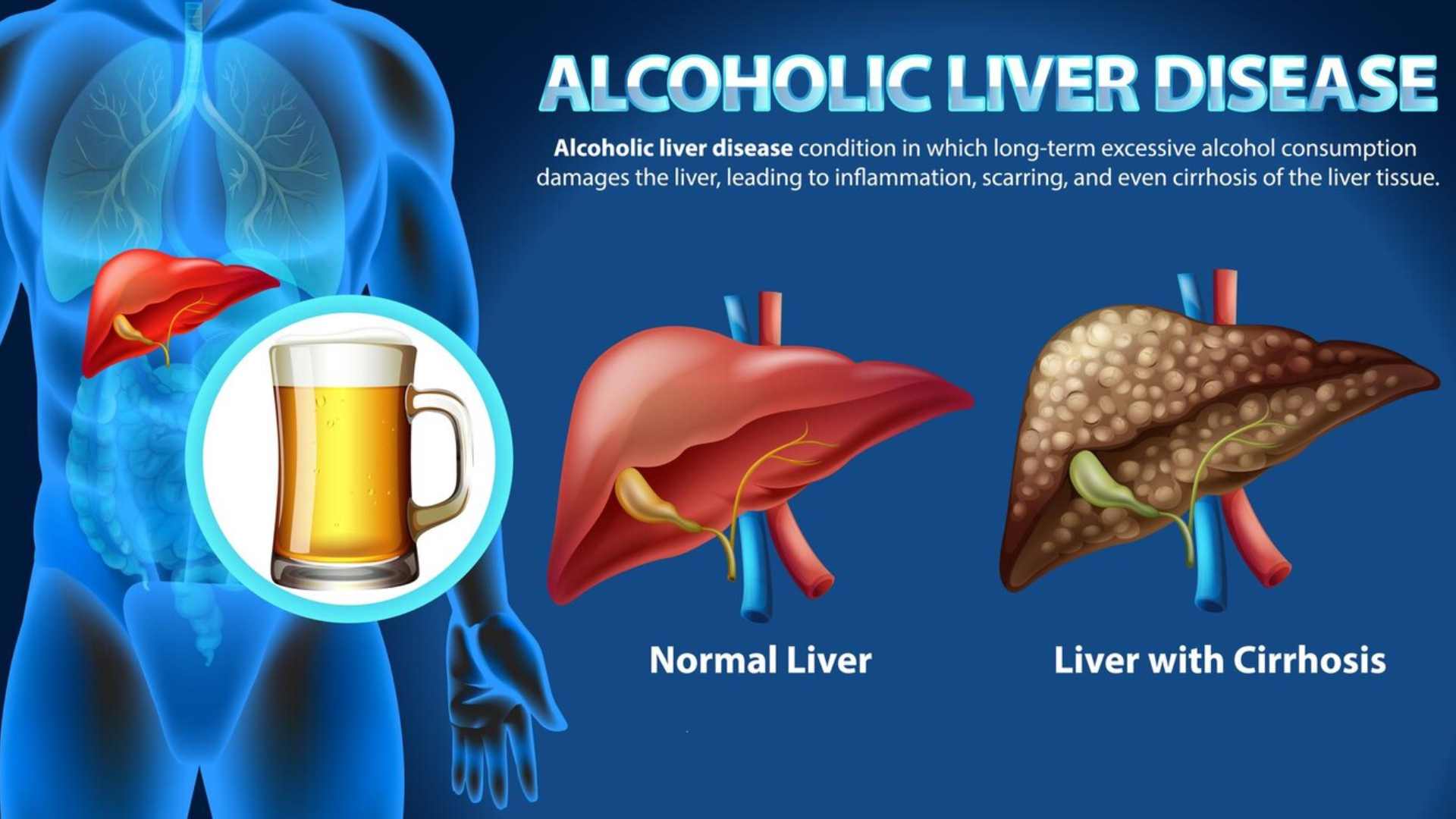
Understanding Alcoholic Liver Disease (ALD):
ALD includes a range of liver conditions caused by alcohol abuse, progressing from fatty liver (steatosis) to alcoholic hepatitis, and then to cirrhosis—a serious stage involving permanent liver damage. The disease can develop silently and may not show symptoms until the liver is severely affected.
Causes & Symptoms:
Causes:
- Excessive alcohol intake over a prolonged period
- Poor diet and nutritional deficiencies in heavy drinkers
- Genetic predisposition or liver sensitivity to alcohol.
Symptoms:
- Fatigue and weakness
- Loss of appetite and weight loss
- Yellowing of skin and eyes (jaundice)
- Abdominal pain or swelling
- Nausea, vomiting
- Confusion or memory issues in advanced cases
- Red palms, spider-like blood vessels on the skin
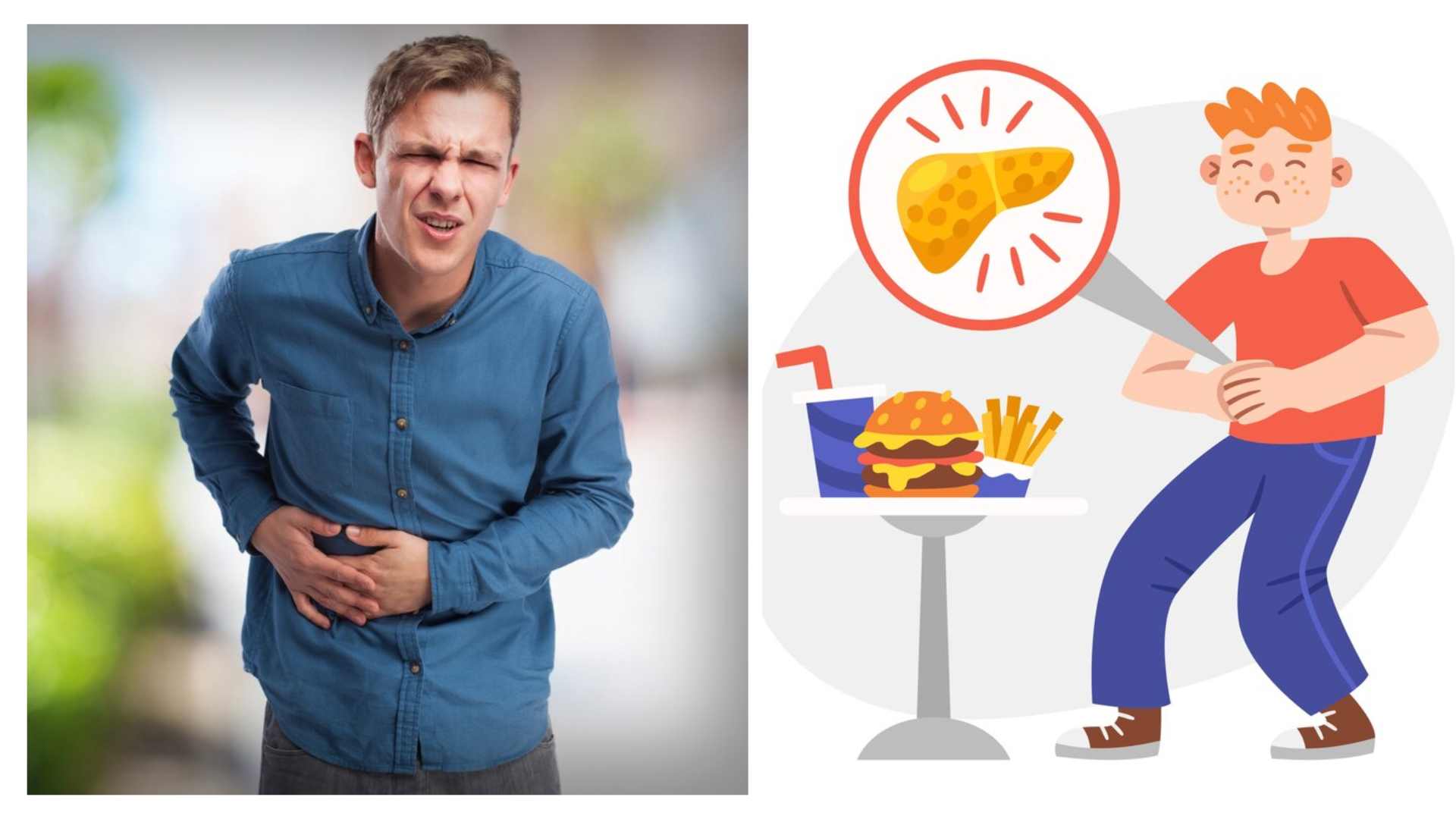
Risk Factors:
- Drinking large amounts of alcohol regularly
- Binge drinking
- Starting alcohol consumption at an early age
- Poor nutrition or low-protein diets
- Female gender (women are more vulnerable to liver damage from alcohol)
- Coexisting liver infections like hepatitis C
- Genetic factors
Complications:
- Liver cirrhosis (irreversible scarring)
- Liver failure
- Internal bleeding (due to varices)
- Ascites (fluid accumulation in the abdomen)
- Hepatic encephalopathy (confusion, coma due to toxins in the brain)
- Increased risk of liver cancer
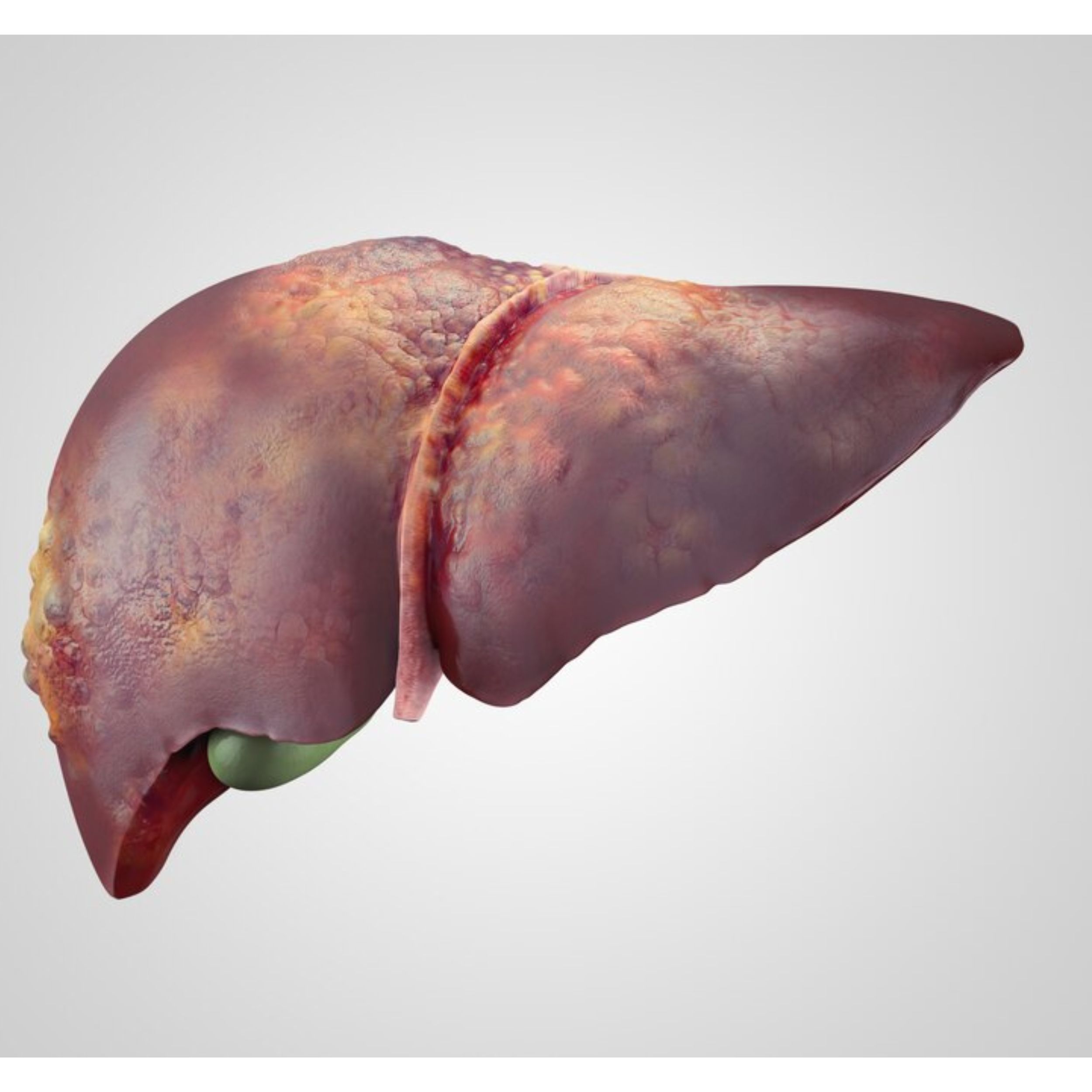
Diagnosis :
- Medical history (alcohol intake pattern)
- Physical examination (checking for jaundice, swelling, etc.)
- Blood tests: Liver function tests, bilirubin levels
- Imaging: Ultrasound, CT scan, or MRI
- Liver biopsy: In some cases to confirm liver damage stage
Benefits of Homoeopathic Treatment
1. Individualised Care: Homoeopathy recognizes that each person is unique. A homoeopath will assess your symptoms, medical history, and lifestyle to prescribe a personalised treatment plan tailored to your needs.
2. Gentle and Natural: Homoeopathic remedies are derived from natural substances and are known for their minimal side effects. They work in harmony with the body, promoting self-healing and overall well-being.
3. Holistic Approach: Homoeopathy takes into account not only the physical symptoms but also the emotional and mental aspects of an individual. It aims to restore balance at all levels, providing comprehensive care.
4. Long-Term Relief: By addressing the underlying causes of Hyperacidity, homoeopathy strives to achieve long-term relief and improved quality of life.
Homeopathy for Alcoholic Liver Disease:
Homeopathy offers a gentle and holistic approach to supporting liver health and managing symptoms of ALD. It helps to:
- Detoxify the liver
- Improve digestion and appetite
- Reduce fatigue and inflammation
- Support emotional and mental well-being (like addressing cravings or depression)
Commonly used remedies (based on individual symptoms):
- Nux Vomica: For people with a history of heavy drinking, irritability, and digestive issues.
- Chelidonium Majus: Useful in jaundice, liver pain, and sluggish digestion.
- Carduus Marianus: For liver swelling, nausea, and vomiting linked to liver issues.
- Lycopodium: For bloating, poor digestion, and right-sided liver problems.
- Phosphorus: For fatty liver and weakness with sensitivity to smells.
Consulting a Homeopath:
If you are seeking homoeopathic treatment for Alcoholic Liver Disease, it is essential to consult with a qualified and experienced homoeopath. At Sanjivani Homeopathy Clinic, our team of skilled homoeopaths will conduct a thorough evaluation, considering your symptoms, medical history, and individual characteristics to develop a personalised treatment plan.
Sanjivani Homeopathy Clinic USP
- No homoeopathy Dietary Restrictions:
Allows patients to enjoy foods like onion, garlic, and coffee, ensuring a stress-free treatment journey.
- 24/7 Online Consultations:
Enables convenient access to doctors with detailed counseling, history management, and follow-ups.
- Highly Skilled Team:
Experienced BHMS and MD doctors, supported by multilingual and professional staff.
- Patient-Centric Care:
Simplifies treatment with modern, adaptable solutions and clear communication.
Click Here for Detailed "Sanjivani USP"
FAQ's
- What is homoeopathy ?
Homoeopathy is a holistic science which belives in the law of Similia Similibus Curenter i.e Like Cures Like .It was discovered by Dr Samuel Christian Hahnemannn in 1796.
- Is there any side effects of homoeopathy?
As homoeopathic medicines are made from natural substances this medicines have no side effects and are completely safe to consume
- Is there any diet restriction to take homoeopathic medicines?
There are no diet restrictions for homoeopathic medicines. One should only avoid eating or drinking any liquid other than water at least 30 minutes before and after taking homoeopathic medicines.
Click Here for "Frequently Asked Questions."
Conclusion
Homeopathic remedies offer a holistic approach to managing Alcoholic Liver Disease by not only addressing the symptoms but also focusing on the root cause—long-term alcohol toxicity and liver imbalance. By taking into account the individual’s constitution, emotional health, and lifestyle, homeopathy aims to activate the body’s natural healing response, supporting liver function and detoxification. Unlike conventional treatments that primarily manage complications, homeopathy works gently to strengthen the liver, improve digestion, and support overall vitality. Sanjivani Homeopathy can serve as a valuable complementary option in the management of Alcoholic Liver Disease—providing relief from fatigue, digestive distress, and emotional imbalances, without harsh side effects. This personalized, non-restrictive, and sustainable approach fosters long-term healing, helping patients improve their quality of life while gradually restoring liver health.
Disclaimer : The information provided in this blog is for educational purposes only and should not be considered medical advice. Please consult with a qualified healthcare professional before starting any treatment for Alcoholic Liver Disease or any other medical condition.

